 Sarasota Roofing
 Building Decks for Southside Village's Particular Climate
Southside Village sits close to downtown Sarasota, with a mix of older bungalow-era homes and newer infill construction under a mature tree canopy that's typical of Sarasota's established neighborhoods. It's a walkable, outdoor-oriented part of town, and decks and porches here get used year-round — which is exactly why they take a beating year-round too. Between the intense UV load, salt-laden air moving in off the Gulf, wind-driven rain during summer storms, and the periodic hurricane-force gusts that come with living in Sarasota County, a deck built to a generic national spec doesn't hold up the way it would in a drier or cooler climate.
We build and repair decks specifically for this kind of exposure. That means paying attention to details that don't matter as much in other parts of the country — fastener metallurgy, ledger flashing, ventilation under the deck surface, and how a material actually behaves after a few Florida summers, not just how it looks on day one.
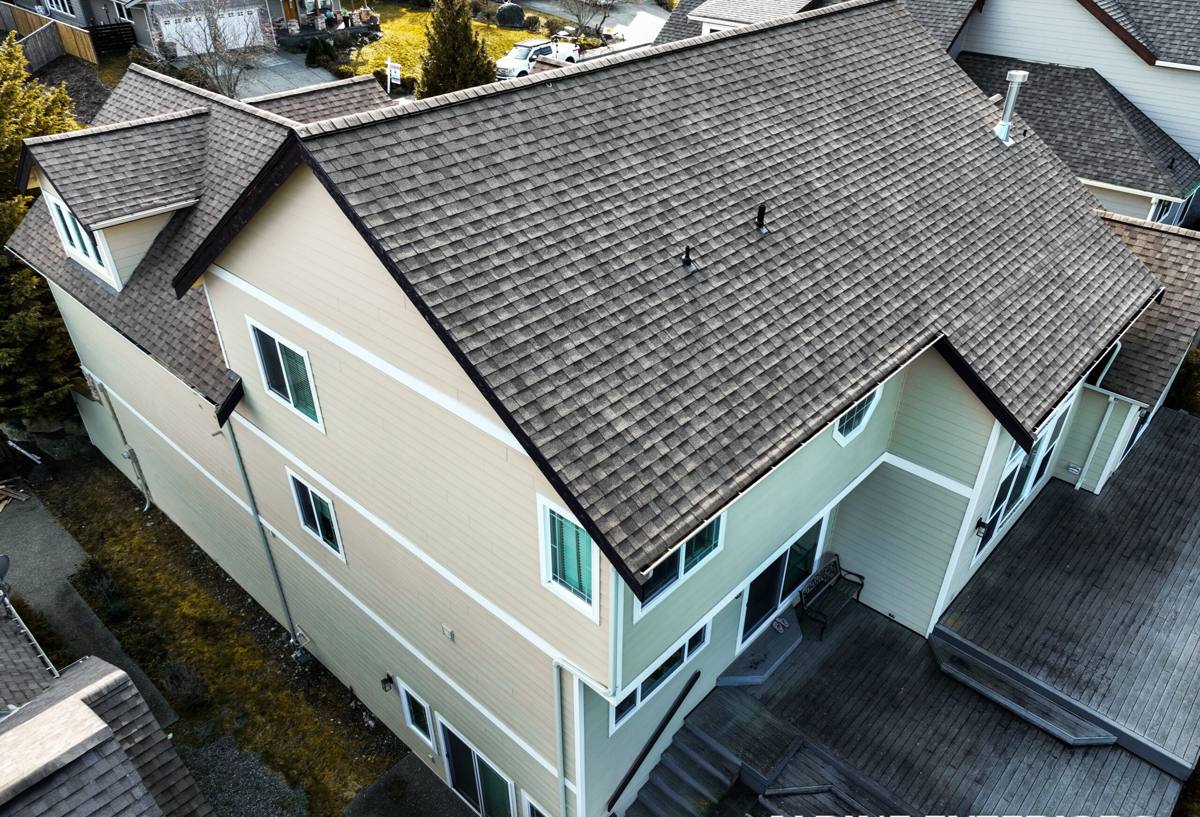
What a Deck in This Neighborhood Actually Needs to Survive
Four things drive almost every decision we make on a Southside Village deck project:
- UV exposure — Florida sun is harder on finishes, fasteners, and plastics than most manufacturers' warranty testing assumes. Materials rated for "sun exposure" in a lab don't always hold color or strength the same way after real Sarasota summers.
- Salt air — Even away from the immediate waterfront, coastal Sarasota air carries enough salt to accelerate corrosion in standard hardware, screws, and connectors over a period of years, not decades.
- Wind-driven rain and humidity — Water gets pushed sideways in a storm, not just down. Framing, flashing, and ledger connections have to shed water that's coming in at an angle and staying humid for days afterward.
- Wind uplift — Sarasota County's building code reflects hurricane-force wind design requirements. A deck attached, braced, and fastened correctly resists uplift and racking; one built to a lighter-duty standard can fail at the connections long before the boards themselves wear out.
None of this means a deck here needs to look industrial or over-built. It means the parts nobody sees — footings, framing, fasteners, flashing — have to be right, because those are the parts this climate tests hardest.
Framing and Foundation: Where Correct Decks Are Won or Lost
Most deck failures we get called out to inspect in this area aren't board failures — they're framing or connection failures. The decking is the part homeowners see, but the frame underneath is what actually determines whether the deck is safe and how long it lasts.
Footings and Ground Contact
Sarasota County's sandy soils and seasonal water table mean footing depth and concrete placement matter more here than in a lot of markets. Undersized or shallow footings can shift over time, especially after saturated ground from summer rains. We size and place footings to the local code requirements for the load and wind exposure, not a one-size-fits-all minimum.
Ledger Attachment and Flashing
When a deck attaches to the house, the ledger board and its flashing are the single most common point of long-term failure nationwide, and humid, wind-driven-rain climates like ours make it worse. A poorly flashed ledger lets water track behind the siding and into the house's structure, which turns a deck problem into a much more expensive structural or rot problem. We flash ledger connections to shed water away from the house, not just seal it — sealant alone fails over time; flashing that directs water away doesn't rely on that seal staying perfect forever.
Joists, Bracing, and Wind Resistance
Joist spacing, blocking, and diagonal or lateral bracing are what keep a deck from racking side-to-side in high wind — a real consideration during Sarasota's storm season. We frame to resist that lateral movement, not just to hold vertical weight.
Decking Material Choices for This Climate
There's no single "best" decking material — there's a best material for how a homeowner will use the deck, how much upkeep they want to do, and what budget they're working with. Here's how the common options actually perform in Sarasota's sun, humidity, and salt air:
| Material | How It Holds Up Here | Maintenance | Typical Lifespan (this climate) |
|---|---|---|---|
| Pressure-treated wood | Solid structurally; UV and humidity fade and gray it faster than in drier climates | Needs periodic sealing/staining — skipping this shortens lifespan considerably | 10–15 years with upkeep |
| Composite decking | Resists rot and doesn't need staining; quality varies a lot by brand and core construction | Occasional cleaning; no sealing/staining | 20–25+ years, warranty-dependent |
| Capped PVC decking | Best moisture and UV resistance of common options; fully synthetic, doesn't absorb water | Lowest maintenance of the group | 25–30+ years |
| Tropical hardwoods (e.g., ipe) | Naturally dense and rot-resistant, but installation-sensitive and can check/crack in extreme sun if not installed and finished correctly | Requires periodic oiling to maintain appearance | 25+ years if maintained |
We'll walk through these trade-offs honestly during an estimate — the right call depends on whether the deck gets full sun most of the day, how close it is to the coast, and how much maintenance a homeowner actually wants to keep up with.
Fasteners, Hardware, and the Corrosion Problem Nobody Sees Coming
This is the detail that separates a deck that ages gracefully from one that develops rust streaks and loosening connections within a few years. Standard galvanized fasteners are built for general-purpose framing, not sustained coastal air exposure. In Southside Village's location, we use stainless steel or high-grade corrosion-resistant fasteners and structural connectors on decking work, matched to whatever decking material is being fastened — some composite and PVC products actually specify which fastener types are compatible with their warranty, and mismatching them can void coverage. It costs more up front than standard hardware. It's also the difference between a deck that's still tight and quiet in ten years and one that starts squeaking and staining from rust-bleed in three.
Permitting and Wind-Load Code in Sarasota County
Most new decks and significant deck rebuilds in Sarasota County require a building permit, and the plans have to account for the county's wind-load requirements — this isn't optional paperwork, it's what determines footing size, fastener spec, and connection hardware in the first place. We handle the permitting and inspection process as part of the job. Skipping a permit might save a little time up front, but it can create real problems later: insurance claims, home sales, and future renovations all tend to surface unpermitted work eventually, and at that point it's the homeowner's problem to sort out, not the installer's.
Our Process for Southside Village Deck Projects
- On-site assessment. We look at sun exposure, drainage, tree canopy, existing structure (for rebuilds), and how the deck will actually be used.
- Design and material walkthrough. We go over layout, material options, and realistic cost/maintenance trade-offs — no pressure toward the most expensive option.
- Permitting. We prepare and submit the plans through Sarasota County and handle the required inspections.
- Footings and framing. This is where most of the climate-specific work happens — footing depth, ledger flashing, bracing, and corrosion-resistant hardware.
- Decking installation. Boards, fastening, and finish work go in to the manufacturer's specifications, since that's what keeps material warranties valid.
- Final walkthrough and inspection. We confirm everything passes county inspection and walk the homeowner through basic care for whatever material was installed.
Why a Crew That Already Works This Neighborhood Matters
Southside Village's older housing stock, tree cover, and proximity to the coast create a specific set of conditions — lot sizes, shade patterns, and existing structures that a crew unfamiliar with the neighborhood has to figure out from scratch on every job. A crew that already works this area knows what footing depths tend to work in the local soil, how much tree canopy typically means for drying time and debris on a deck surface, and what the county inspectors here are actually looking for. That familiarity shows up as fewer surprises, fewer change orders, and a permitting process that moves without back-and-forth.
Questions Worth Asking Before You Hire
- Are they pulling a permit, and do they handle the county inspections themselves?
- What fastener and hardware grade do they use — standard galvanized, or corrosion-resistant for coastal exposure?
- How do they flash the ledger board where the deck meets the house?
- Can they explain footing depth and bracing choices specific to wind load, not just a generic answer?
- Do they carry general liability and workers' comp coverage, and can they provide proof?
- What does their warranty actually cover — workmanship, materials, or both?
If you're planning a new deck or need an existing one assessed or rebuilt in Southside Village, we're happy to come take a look and walk through your options. The estimate is free, there's no pressure, and you'll get a straight answer about what your home actually needs — just fill out the form below to get started.