 Sarasota Roofing
 Building Decks That Actually Hold Up in Southside Village
Southside Village sits close enough to the bay that salt air, humidity, and intense sun are part of daily life, not occasional weather events. A deck built here works harder than one built inland — it takes more UV exposure, more moisture cycling, and more wind load over its lifetime. We've built and repaired decks throughout this part of Sarasota long enough to know which materials and construction details actually hold up and which ones look fine for a year or two before the climate starts winning.
This page covers what a custom deck project for a Southside Village home should include: material choices, structural requirements tied to Sarasota County's coastal exposure, and the process we follow from first conversation to final walkthrough.
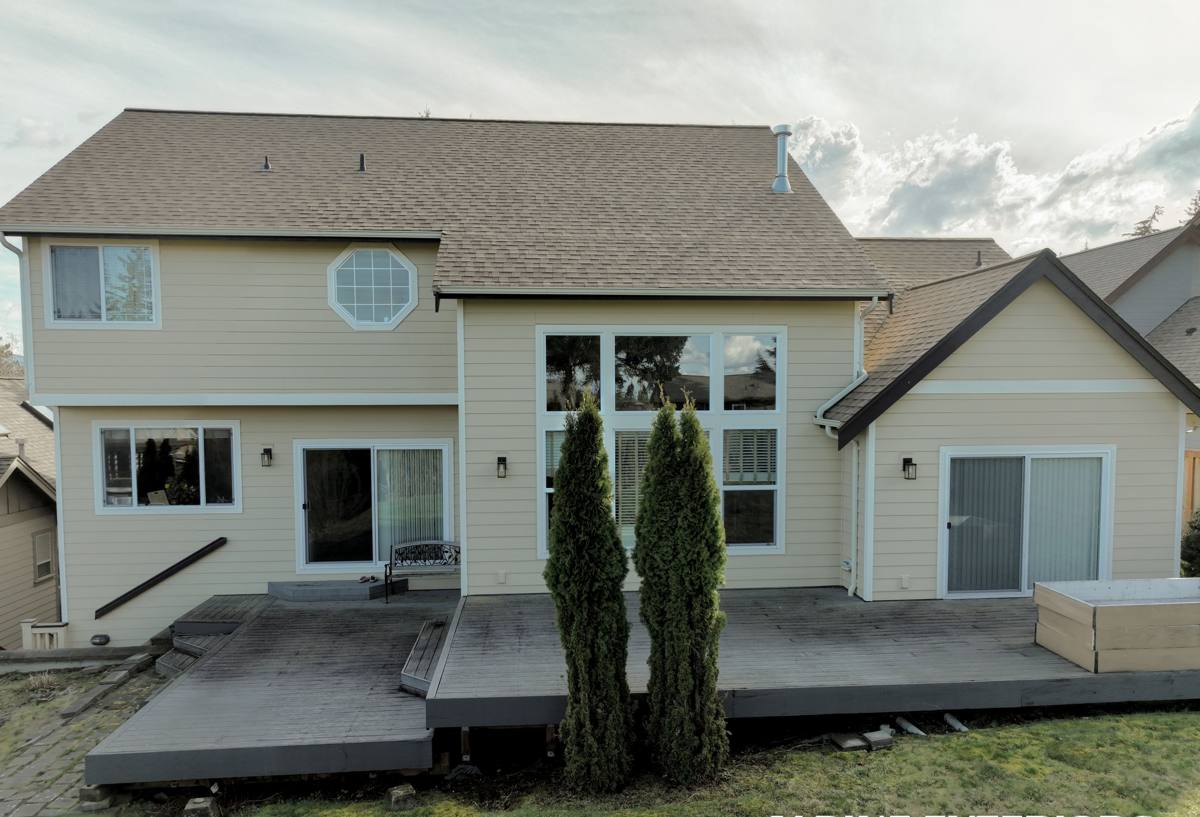
What Southside Village's Climate Does to a Deck
Sarasota's combination of coastal humidity, salt-laden air, and strong seasonal storms creates a specific set of stresses that deck materials and fasteners either survive or don't.
Sun and Heat
Florida's near year-round UV exposure breaks down wood fibers, fades finishes, and dries out lower-grade composite decking faster than manufacturers' marketing tends to suggest. Boards installed without attention to UV stabilization or proper ventilation underneath will show graying, splintering, or surface chalking well before a homeowner expects it.
Humidity and Wind-Driven Rain
Southside Village's proximity to the water means wind-driven rain gets into places a straight-down rain never would — under railings, into end grain, behind ledger boards. Decks that trap moisture instead of shedding it develop rot, fastener corrosion, and mold faster than the same materials would inland.
Salt Air Corrosion
Salt in the air accelerates corrosion on any fastener, bracket, or connector that isn't rated for coastal exposure. This is one of the most common points of failure we see on decks that weren't originally built with coastal hardware — the boards can look fine while the structural connections underneath are quietly failing.
Wind Load
Sarasota County sits in a hurricane-exposed wind zone, and decks attached to a home need connections engineered for uplift and lateral load, not just the vertical weight of people and furniture. This matters most at the ledger board connection to the house and at post-to-footing connections.
What a Correctly Built Deck Includes Here
A deck built for Southside Village's conditions isn't fundamentally different in concept from a deck anywhere else — the difference is in material grade, fastener selection, and a handful of construction details that matter more in a coastal, storm-prone climate.
- Footings sized and set to Sarasota County frost-free, load-bearing requirements, not just poured to "look deep enough"
- Ledger board flashed and fastened to shed water away from the house structure, not toward it
- Stainless steel or coated coastal-rated fasteners and structural connectors throughout, not standard galvanized hardware
- Joist spacing and beam sizing matched to the actual decking product chosen, since composite and hardwood have different span requirements than standard lumber
- Proper airflow underneath the deck to prevent moisture and mold buildup in our humidity
- Railing systems rated for the wind exposure at the specific height and orientation of the deck
- Stair and guard details built to current Florida Building Code, which governs everything from stair rise/run to guard height and baluster spacing
Choosing a Decking Material for Coastal Sarasota
Material choice is where most long-term deck problems either get avoided or built in. Every decking material sold has a marketing story; what matters is how it actually behaves under Sarasota's sun, humidity, and salt air over a decade of ownership.
| Material | How It Handles This Climate | Maintenance | General Cost Position |
|---|---|---|---|
| Pressure-treated pine | Affordable, but prone to warping and checking under intense UV and moisture cycling if not sealed regularly | Needs re-sealing every 1-2 years | Lowest upfront cost |
| Tropical hardwoods (e.g., ipe) | Naturally dense and rot-resistant, handles humidity well, but installation is unforgiving — pre-drilling and fastening mistakes show up over time | Periodic oiling to maintain color; low structural maintenance | Higher material and labor cost |
| Capped composite | Good UV and moisture resistance when the cap layer is intact; lower-grade uncapped composite can fade and absorb moisture at cut edges | Low — cleaning only, no sealing | Mid to upper-mid cost |
| PVC decking | Fully synthetic, handles humidity and salt air well, doesn't rot, but can expand/contract more with heat swings if not installed with correct gapping | Very low | Upper cost range |
We don't push one product as universally "best" — we walk through the trade-offs against your budget, how you use the space, and how much upkeep you actually want to do. Our professional standard is to avoid installing materials in configurations we know will create maintenance headaches in this climate, even if it means a harder conversation up front about cost.
Design Considerations Specific to Southside Village Properties
Homes in this part of Sarasota tend to sit on lots where outdoor living space, shade, and airflow matter as much as square footage. A custom deck here should be designed around how the property actually catches sun and wind through the day, not just dropped onto the back of the house as a rectangle.
Shade and Orientation
Deck orientation relative to afternoon sun affects how usable the space is for most of the year. We factor in pergolas, shade sails, or roof overhangs where the layout and budget support it, since an unshaded deck in Sarasota's summer heat often goes underused.
Elevation and Drainage
Lower-lying lots near the bay side of Sarasota County need extra attention to drainage and footing height so that heavy wind-driven rain events don't pool water against the house or under the deck structure.
Multi-Level and Connected Spaces
Many custom deck requests we get in this area involve connecting the deck to a pool area, outdoor kitchen, or screened space rather than building a single standalone platform. These transitions need to be planned from the start — retrofitting them later usually means cutting into finished structure.
Permitting and Code in Sarasota County
Deck construction attached to a residence in Sarasota County requires a permit, and inspections check footing depth, ledger attachment, and structural connections before the deck is closed in. Skipping or shortcutting this process is one of the most common reasons homeowners run into problems later — whether that's a failed home inspection at resale or an insurance claim complication after storm damage.
We handle the permit application and coordinate inspections as part of the project, so the homeowner isn't the one tracking down inspection windows or code requirements.
Our Process for a Southside Village Deck Project
- On-site assessment — we walk the property, look at sun exposure, drainage, existing structure (if replacing a deck), and how you want to use the space.
- Design and material selection — we put together a layout and materials plan that fits your budget and this climate, with honest trade-offs explained rather than upsold.
- Written proposal — scope, materials, and pricing in writing before any work starts, no vague allowances.
- Permitting — we submit for the Sarasota County permit and schedule required inspections.
- Construction — footings, framing, decking, and railing installed in sequence, with attention to the fastener and flashing details that matter most here.
- Final walkthrough — we go over the finished deck with you, including basic care specific to whatever material you chose.
Maintaining a Deck in a Coastal Sarasota Climate
Even a well-built deck needs some ongoing attention in this environment. What that attention looks like depends heavily on the material chosen.
- Rinse salt residue and debris off the deck surface periodically, especially after storms
- Check railing and stair connections annually for corrosion or loosening, particularly on older coastal hardware
- Reseal wood decking on the schedule appropriate to that species — skipping this is the single fastest way to shorten a wood deck's life here
- Keep gutters and drainage paths near the deck clear so water isn't directed toward footings or ledger connections
- Inspect underneath the deck occasionally for signs of trapped moisture or early rot at joist ends
Repair, Replace, or Rebuild?
If you already have a deck showing wear, the right move isn't always a full rebuild. We look at the structural bones first — footings, framing, and ledger connection — separately from the surface decking material. In many cases the framing is sound and only the decking and railing need replacing; in others, particularly on older decks built before current coastal hardware standards were common, the structure itself needs attention before any new surface goes on top. We'll tell you honestly which situation you're in rather than defaulting to the more expensive option.
Why Local Experience in This Neighborhood Matters
A crew that already works in Southside Village and the surrounding parts of Sarasota knows the practical realities that don't show up in a generic deck-building guide: how the wind exposure changes closer to the water, which fastener grades actually hold up here versus which ones are rated for less demanding climates, and what Sarasota County's inspectors look for at each stage. That local familiarity shortens the learning curve on your project and reduces the chance of a detail getting missed that only shows up as a problem two or three years down the road.
If you're planning a new deck or need an honest look at one that's showing its age, we'd be glad to take a look and put together a straightforward, no-pressure estimate — just fill out the form below.