 Sarasota Roofing
 Siding Built for What University Park Weather Actually Does
University Park homes deal with a specific combination of stresses that a lot of siding products simply weren't engineered to survive long-term: intense year-round UV that bakes painted and laminate surfaces, wind-driven rain that gets forced sideways during Gulf Coast storms, hurricane-force wind events that test every fastener and seam, and salt-laden air that accelerates corrosion on anything metal. None of these are occasional problems in Sarasota County — they're the baseline. A siding replacement here isn't just a cosmetic upgrade; it's a decision about how well your home's exterior will hold up over the next fifteen, twenty, or thirty years under conditions that are genuinely harder on building materials than most of the country ever sees.
We work on homes throughout University Park and the surrounding Sarasota area, and we've seen firsthand which products and installation shortcuts fail early here — and which ones don't. That local track record shapes every recommendation we make.
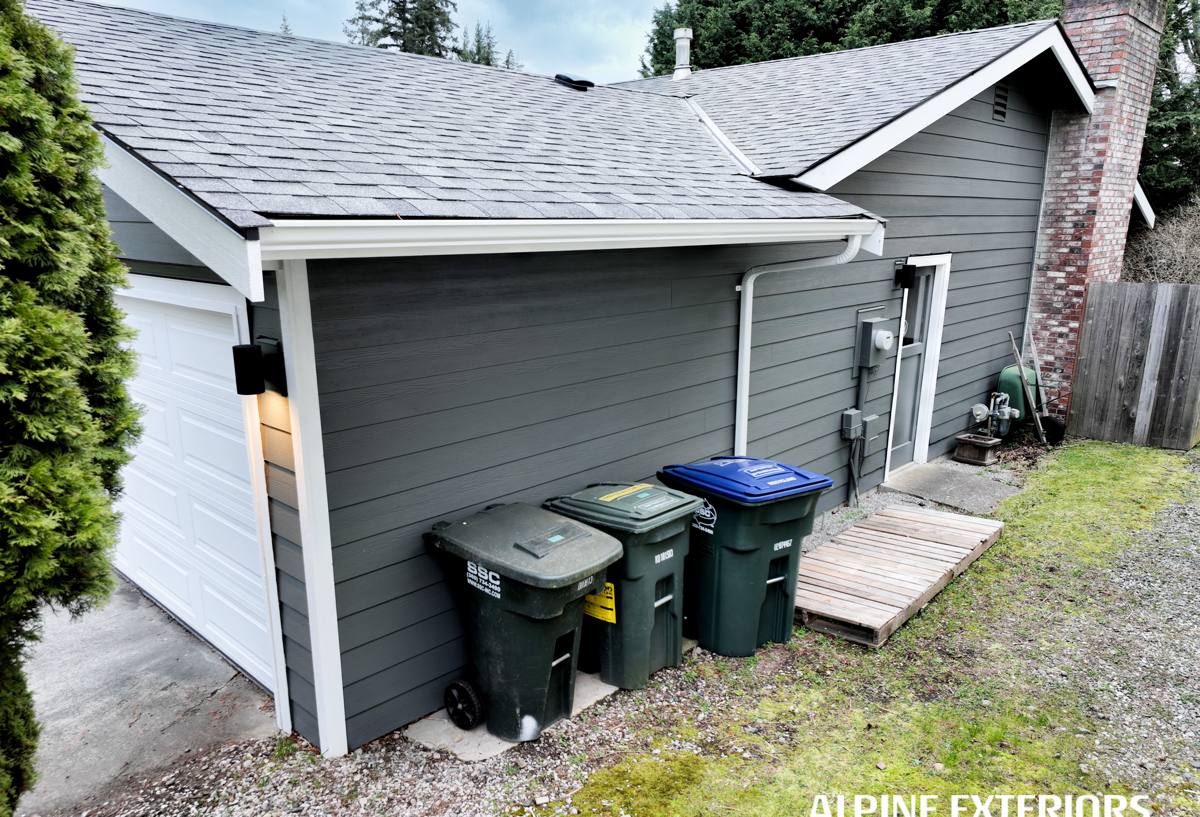
What Sarasota's Climate Does to Exterior Siding
UV and Heat
Florida sun is relentless. Painted wood, vinyl, and many engineered wood products lose their finish integrity faster in Sarasota than they would in a milder climate — vinyl can warp or fade unevenly depending on sun exposure, and field-applied paint jobs on wood-based siding start chalking and cracking well ahead of their rated lifespan. Over a full year, University Park homes get sustained high-UV exposure with very little relief, which is a major reason factory-applied, UV-stable finishes matter so much more here than in northern climates.
Wind-Driven Rain
Sarasota's storms don't just drop rain straight down — wind pushes it sideways and up under laps, trim, and penetrations. Siding systems that rely on face-sealing (caulk and paint alone to keep water out) tend to fail here faster than systems designed to shed water through proper lapping, flashing, and drainage behind the cladding. If water gets behind the siding and the wall assembly can't dry out, you're looking at rot, mold, and sheathing damage long before the siding itself looks obviously bad.
Hurricane-Force Wind Loads
Every siding installation in this area has to be engineered and fastened to withstand real wind events, not just everyday weather. That means correct fastener type, spacing, and embedment — not the minimum a crew can get away with. Under-fastened or improperly nailed siding is one of the most common causes of storm damage we see, and it's almost always an installation problem, not a product problem.
Salt Air
Sarasota sits on the Gulf Coast, and salt-laden air travels further inland than most homeowners assume. Salt exposure accelerates corrosion on exposed fasteners, trim, and any metal components in a siding system. Materials and hardware need to be selected with that in mind, especially for homes that catch onshore breezes regularly.
Signs a University Park Home Needs Siding Replacement
Siding failure in this climate doesn't always look dramatic. Often it starts subtle and gets expensive if it's ignored. Here's what we look for during an inspection:
- Soft or spongy spots when you press on the siding, especially near the bottom courses or around windows and doors
- Visible warping, buckling, or gaps between panels or boards
- Paint that's peeling, bubbling, or chalking heavily even after a recent repaint
- Staining or streaking that suggests water is tracking behind the siding rather than running off it
- Cracked or crumbling caulk joints at seams, corners, and trim
- Rust bleeding from fastener heads or trim connectors
- A musty smell or visible mold near exterior walls on the inside of the home
- Rising energy bills that suggest the wall assembly behind the siding is no longer performing as insulation
If you're seeing more than one or two of these, it's worth having someone look at what's happening behind the siding, not just patch the surface.
What a Correct Siding Replacement Actually Involves
Full Tear-Off and Substrate Inspection
Replacing siding over rotten sheathing or hidden moisture damage just buries the problem. A proper job starts with full removal of the old siding so the sheathing, framing, and any existing water intrusion can be inspected and addressed before anything new goes up.
Water-Resistive Barrier and Flashing
Given how much wind-driven rain this area sees, the water-resistive barrier behind the siding and the flashing details around windows, doors, and penetrations matter as much as the siding itself. This is the layer that actually keeps a home dry when wind pushes rain sideways — the visible siding is really the second line of defense, not the first.
Fastening to Wind-Load Specifications
Fastener type, length, spacing, and pattern all need to match both the manufacturer's specifications and Florida Building Code wind-load requirements for this region. This is where corners get cut most often on rushed jobs, and it's the single biggest factor in whether siding survives a real storm.
Trim, Corners, and Detail Work
The small details — outside corners, trim boards, caulking at joints, and transitions around fixtures — are where water intrusion typically starts if they're done poorly. These details take more time than the flat panel installation itself, and they're often where the difference between a good crew and a fast one shows up years later.
Why We Only Install James Hardie Fiber Cement
We don't install vinyl siding, LP SmartSide, primed spruce, cedar, or other fiber cement brands like Cemplank or Allura. That's a deliberate standard, not a preference we picked at random. Each of those products has legitimate uses, but they each come with trade-offs — moisture sensitivity in engineered wood products, heat distortion and impact vulnerability in vinyl, ongoing maintenance demands in raw wood — that we think matter too much given what University Park homes are up against year-round.
James Hardie's fiber cement siding is non-combustible, dimensionally stable in heat and humidity, and manufactured in HardieZone product lines specifically engineered for climates like Florida's — built to resist moisture damage, hold up under intense UV, and perform in high-wind conditions when installed correctly. The ColorPlus factory finish is baked on under controlled conditions rather than applied on-site, which means significantly better UV and fade resistance than field-applied paint, along with a stronger, more consistent bond than most site-painted finishes achieve. It also carries a substantial, transferable manufacturer warranty backed by a company with decades of track record specifically in fiber cement.
None of that removes the need for correct installation — even the best siding product fails early if it's under-fastened, poorly flashed, or installed over a damaged substrate. But starting with a product engineered for this exact climate gives University Park homeowners a real head start.
Cost Factors for Siding Replacement
| Factor | How It Affects the Project |
|---|---|
| Home size and wall complexity | More square footage, corners, and architectural detail mean more material and labor |
| Substrate condition | Rotten sheathing or existing moisture damage found during tear-off adds repair scope before new siding goes on |
| Siding profile and trim selection | Lap width, trim style, and accent details affect both material cost and installation time |
| Color and finish | Factory-applied ColorPlus finishes cost more upfront than unfinished product but eliminate near-term repainting |
| Permitting and HOA approval | Communities like University Park often require architectural review, which can affect timeline more than cost |
| Access and site conditions | Landscaping, fencing, and multi-story sections can add labor time |
We walk through these factors during the estimate so there are no surprises once the project starts — every home is different, and a fair quote reflects the actual condition and scope of your specific property.
Our Process for University Park Homes
- Inspection and assessment — we evaluate the existing siding, substrate, and any signs of water intrusion before recommending a scope of work
- Product and color selection — choosing the right Hardie profile and ColorPlus finish for your home, including navigating HOA architectural approval where required
- Permitting — pulling the correct Sarasota County permits and confirming the installation plan meets local wind-load requirements
- Tear-off and substrate repair — removing old siding, inspecting and repairing sheathing or framing as needed
- Water-resistive barrier and flashing installation — the layer that actually keeps the wall assembly dry
- Siding installation — fastened to manufacturer and code specifications, with careful attention to corners, trim, and penetrations
- Final walkthrough — reviewing the completed work with you before we consider the job finished
Why Hiring a Crew That Already Works in University Park Matters
Every established community has its own rhythm — HOA architectural review processes, typical permitting timelines with Sarasota County, and a general sense of what home styles and colors fit the neighborhood. A crew that's already done work in University Park isn't guessing at any of that. We know how to submit for architectural approval without delays, what the county expects for a wind-load-compliant installation, and how to plan a job around the practical realities of an established neighborhood — mature landscaping, HOA notification requirements, and coordinating with neighbors during installation.
More importantly, we've seen how siding performs in this specific pocket of Sarasota County over time. That's information you don't get from a national contractor rotating through on a one-time job — it comes from doing the work here, repeatedly, and paying attention to what holds up and what doesn't.
If your University Park home's siding is showing its age or you're just planning ahead, we're happy to take a look and give you an honest assessment — no pressure, no obligation. Fill out the form below to schedule a free estimate.