 Sarasota Roofing
 Siding Repair Built for University Park's Climate
University Park homes sit in one of the more demanding climates for exterior building materials anywhere in the country. Sarasota County sees hurricane-force winds during storm season, intense UV exposure nearly every day of the year, wind-driven rain that gets pushed sideways into wall assemblies, and a steady dose of salt air carried in from the Gulf. Siding here isn't just a cosmetic layer — it's the first line of defense protecting the structure, insulation, and interior of the home. When siding fails, it rarely stays a small problem for long.
We work on siding repairs throughout University Park and the surrounding Sarasota area, and the patterns we see are consistent: damage concentrated on the sides of the house that take the most sun and weather, fastener and seam failures around windows and corners, and moisture intrusion that started small and grew because it wasn't caught early. This page covers what University Park homeowners need to know about getting siding repair done right in this climate.
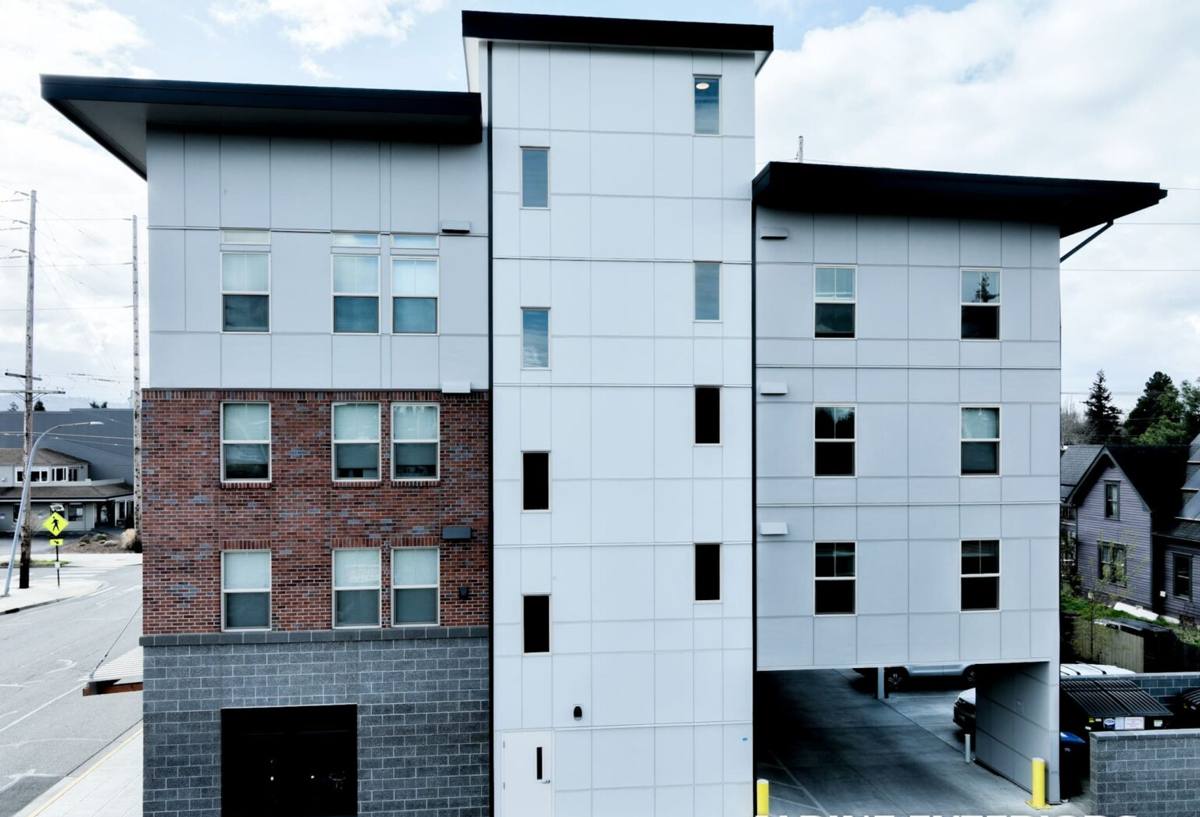
Signs Your Siding Needs Attention
Siding damage doesn't always announce itself. Some of the most costly problems start as something that looks minor. Homeowners in University Park should watch for:
- Cracked, warped, or buckled panels or boards, especially on sun-exposed walls
- Soft or spongy spots when you press on the siding, which usually signal moisture damage underneath
- Visible gaps at seams, corners, or around window and door trim
- Peeling, bubbling, or chalky paint that keeps recurring in the same spots
- Streaking or dark staining that doesn't wash off, often a sign water is tracking behind the panel
- Rising energy bills without another clear explanation, which can point to compromised siding letting conditioned air escape
- Visible fastener corrosion or nail heads popping through the surface
Any one of these on its own may be a simple fix. Several appearing together, or damage that keeps returning in the same area, usually means there's an underlying moisture or installation issue that needs to be addressed, not just patched over.
What's Actually Causing the Damage
Wind and Storm Impact
Sustained hurricane-force winds and the debris they carry put direct mechanical stress on siding — flexing panels, working fasteners loose, and cracking material that isn't rated or installed to handle the load. Once a panel is loosened or cracked, it becomes a point of entry for wind-driven rain during the next storm.
UV and Heat Cycling
Florida sun is relentless, and siding on the south and west-facing walls of a University Park home takes the brunt of it. Constant UV exposure breaks down paint finishes and, over years, the material underneath. Add in daily heat cycling — hot afternoons followed by cooler evenings — and you get expansion and contraction that stresses seams, caulk joints, and fasteners over time.
Wind-Driven Rain and Moisture
Normal rain falls straight down and sheds off siding as designed. Wind-driven rain gets forced sideways and upward, finding its way behind panels, into seams, and around trim that wasn't flashed or caulked correctly in the first place. This is where most of the serious, expensive damage originates — not from the storm itself, but from water sitting behind siding that can't dry out.
Salt Air Corrosion
Even well inland from the immediate coast, Sarasota County homes are exposed to salt-laden air. Salt accelerates corrosion of metal fasteners, flashing, and trim components. A repair that reuses corroded fasteners or ignores compromised flashing is a repair that will fail again, often faster than the original damage took to develop.
How Common Siding Materials Hold Up Here
Not all siding materials respond to this climate the same way. This matters both for repair decisions and for what gets installed when a repair isn't enough.
| Material | Moisture Behavior | Wind Performance | UV/Fade Resistance | Maintenance Burden |
|---|---|---|---|---|
| Vinyl | Doesn't rot, but can warp, crack, or blow off in high wind; traps moisture behind it if installed poorly | Prone to cracking and detachment in sustained high winds | Fades and becomes brittle with prolonged UV exposure | Low, but damaged sections often need full-panel replacement |
| LP SmartSide / wood composite | Wood-based core is vulnerable to moisture if any seam or cut edge is exposed | Reasonable when installed to spec, but edge damage compounds quickly | Finish requires more frequent upkeep in intense sun | Higher — edge sealing and paint maintenance are ongoing |
| James Hardie fiber cement | Non-combustible, engineered to resist moisture-related swelling and rot | Rated for high-wind installation when installed to manufacturer specs | ColorPlus factory finish is baked on and warrantied against fading | Low — factory finish holds up without frequent repainting |
We only install James Hardie fiber cement siding, and this is a large part of why. We've made a professional decision not to install vinyl, LP SmartSide, Cemplank, Allura, or primed wood siding — not because those products have no merit, but because in a climate like Sarasota County's, we've seen where the trade-offs show up years down the road, and we'd rather stand behind one system we know performs.
What a Correct Siding Repair Actually Involves
A repair that just replaces the visible damaged piece and stops there often leaves the actual cause untouched. A repair done right includes:
- Full diagnosis, not just the visible symptom. We check behind and around the damaged area for moisture intrusion, compromised sheathing, or failed flashing before deciding on a scope of work.
- Material matching. On homes with existing fiber cement siding, we match profile, reveal, and finish so the repair blends rather than standing out as a patch.
- Correct flashing and weather barrier work. Any repair that touches a seam, corner, or penetration point gets proper flashing and house wrap detailing — not just caulk over the gap.
- Fastening to wind-zone requirements. Sarasota County's wind load requirements aren't optional guidelines; repairs are fastened to hold up under the same conditions the original installation should have met.
- Finish work that matches. Whether that's factory-finished ColorPlus material or a properly prepped and painted repair, the goal is a result that doesn't look like an obvious patch.
Repair vs. Replacement: How We Decide
Not every damaged section needs a full re-side, and we won't tell a homeowner they need one when they don't. The decision usually comes down to a few factors:
| Factor | Favors Repair | Favors Replacement |
|---|---|---|
| Extent of damage | Isolated to one or two areas | Spread across multiple walls or elevations |
| Underlying moisture | None found behind the damaged section | Rot or moisture intrusion found in sheathing or framing |
| Age of existing siding | Siding is mid-life and otherwise sound | Siding is near or past its expected service life |
| Material match availability | Existing profile and finish can be matched | Discontinued profile or finish that can't be matched cleanly |
We'll always give you a straight answer on which category your situation falls into, along with the reasoning behind it.
Why We Install and Repair Exclusively with James Hardie
We standardized on James Hardie fiber cement for every siding job we do, including repairs, and we think homeowners deserve to know why. Hardie's HZ5 product line is engineered specifically for climates like Florida's — humidity, heat, and storm exposure are part of the design spec, not an afterthought. The material is non-combustible, which matters in a state where wildfire and lightning-related structure fires are a real, if lower-profile, risk. The ColorPlus factory finish is baked on under controlled conditions and backed by its own finish warranty, which means repaired or replaced sections hold their color far longer than field-applied paint typically does. And Hardie backs the product with a substantial, transferable warranty — something that matters if you ever sell the home.
None of this means other products are without merit. Vinyl is inexpensive and low-maintenance in mild climates. Wood composite has a natural look some homeowners prefer. But after years of doing repair and replacement work across Sarasota County's climate, we made the call to build our business around one system we trust to perform, rather than servicing several products with very different long-term track records.
Our Process for University Park Siding Repairs
When you call us for a siding repair in University Park, here's what to expect:
- On-site inspection. We look at the damaged area and check surrounding sections, flashing, and trim for related issues before quoting anything.
- Honest scope and estimate. You'll get a clear explanation of what needs repair, what's optional, and what it will cost — no upsell to a full re-side unless the inspection genuinely calls for one.
- Repair work. Damaged sections are removed, underlying issues addressed, and new material installed and finished to match.
- Site cleanup and walkthrough. We clean up debris and walk the repair with you before calling the job done.
Why Local Experience in University Park Matters
Repair crews who don't regularly work this specific area miss things that matter here — the wind exposure differences between homes on open lots versus more sheltered ones, the way salt air accelerates fastener corrosion even a few miles inland, and the aesthetic consistency that matters in a planned community where homes are visible to neighbors and, in many cases, subject to HOA architectural guidelines on color and material. A crew that regularly works in and around University Park brings that context to every repair, rather than treating it like a generic job.
If you're seeing damage, softness, or recurring paint failure on your siding, it's worth having it looked at before the next storm season rather than after. We offer free, no-pressure estimates for University Park homeowners — fill out the form below and we'll take a look and give you a straight assessment of what your siding actually needs.