 Sarasota Roofing
 Sarasota's Climate Is Hard on Siding — Laurel Park Is No Exception
Laurel Park's mix of older bungalows and updated homes sits close enough to the water and to downtown Sarasota that its siding takes on a very specific kind of abuse. It isn't one big event that wears siding out here — it's the accumulation of small ones, year after year, that eventually shows up as cracked boards, soft spots, or paint that won't hold.
Four forces do most of the damage in this part of Sarasota County:
- Hurricane-force wind: Even storms that don't make direct landfall send sustained gusts through the neighborhood that flex siding panels, work fasteners loose, and drive rain sideways into seams that were never designed to take water head-on.
- Year-round UV exposure: Florida doesn't give siding a winter break. Constant sun bakes paint finishes, dries out caulking, and — on lower-grade materials — causes fading, chalking, and surface breakdown that starts as cosmetic and ends as structural.
- Wind-driven rain: Sarasota's afternoon storms don't fall straight down. Wind pushes water up and under laps, into corner trim, and around window and door penetrations, which is where most hidden rot actually starts.
- Salt air: Laurel Park's proximity to the bay means a steady low-level dose of salt in the air. Salt accelerates fastener corrosion and speeds up the breakdown of anything not built to handle a marine-influenced climate.
None of these forces are unique to Laurel Park, but the combination — an older housing stock, close-set lots with a lot of side-yard exposure, and a genuinely coastal climate — means siding here tends to show damage sooner than it would inland.
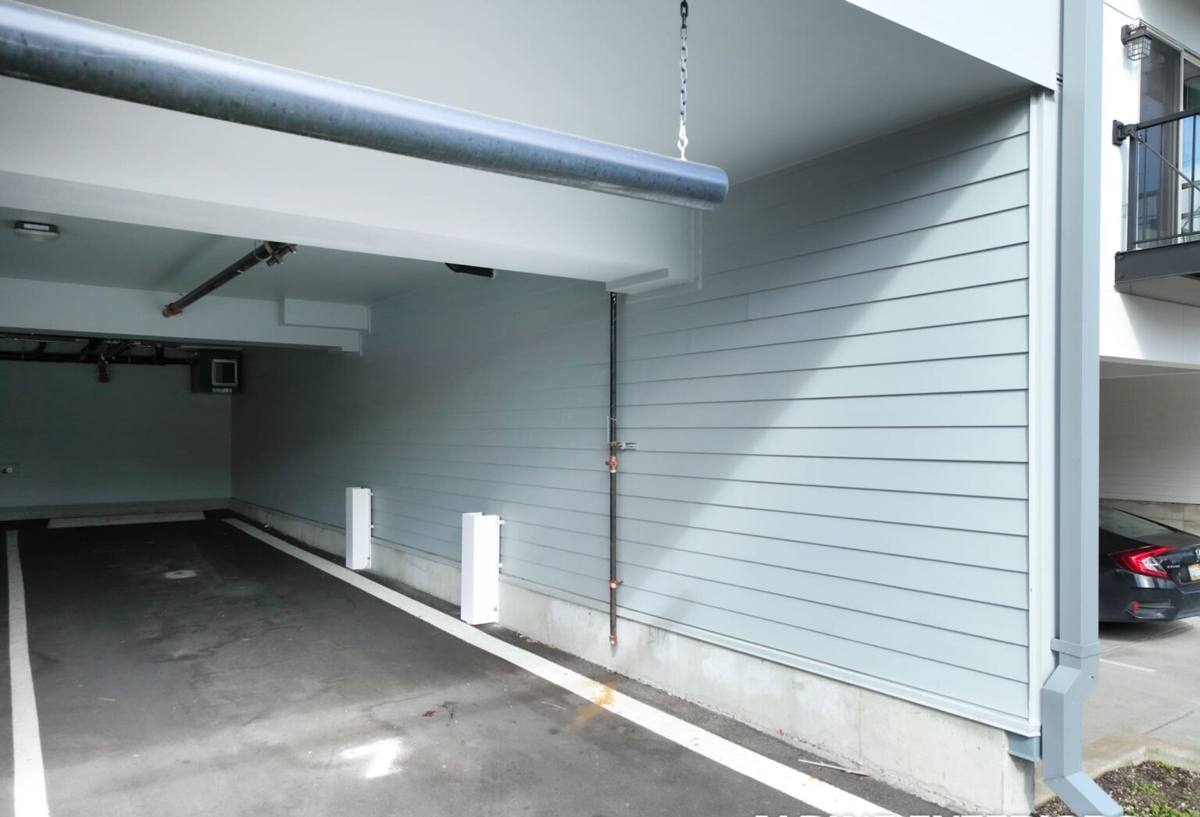
Warning Signs It's Time for Siding Repair
Most siding repair calls we get start with a homeowner noticing one problem and finding two or three more once we get a ladder up. Catching these early is the difference between a repair and a full section replacement.
- Cracked, split, or visibly bowed boards or panels, especially on the side of the house that takes the most sun or wind
- Soft or spongy spots when you press on siding near the bottom of the wall or below windows
- Paint that's peeling, bubbling, or failing in the same spot repeatedly, even after repainting
- Gaps opening up at seams, corners, or where siding meets trim, window frames, or the roofline
- Visible staining or dark streaking running down from a joint or fastener
- A musty smell in an interior room that shares a wall with damaged siding
- Fasteners backing out, or siding that flexes or rattles in wind
Any one of these on its own might be minor. Two or more together, especially near the same section of wall, usually means water has been getting behind the siding for a while — which changes the scope of the repair.
Why Small Problems Don't Stay Small in This Climate
A hairline crack that would sit dormant for years in a drier, milder climate becomes an entry point almost immediately in Sarasota. Wind-driven rain finds the opening, salt air keeps fasteners from holding as well as they should, and constant humidity means anything that gets wet behind the siding takes a long time to dry out. That's why we treat "small" siding damage in Laurel Park as something to address on a real timeline, not a someday project.
What a Proper Siding Repair Actually Involves
A siding repair that just swaps a damaged board for a new one, caulks the edges, and calls it done is a patch, not a repair. Here's what we actually check and do.
Diagnosing the Cause Before Touching Anything
Damaged siding is usually a symptom. Before we replace a single board, we look at what let water or wind get to it in the first place — failed flashing, a gap in the house wrap, a caulk joint that gave out, or a fastening pattern that was wrong from the original install. If we skip this step and just replace the visible damage, the same spot fails again within a season or two.
Checking What's Behind the Siding
Once damaged sections are pulled, we inspect the sheathing and house wrap underneath for moisture damage, soft wood, or mold. This is the part homeowners can't see from the ground, and it's the part that determines whether this stays a siding repair or needs to loop in additional carpentry work before new siding goes back up.
Matching Existing Material Correctly
If your home already has James Hardie fiber cement siding, matching profile, reveal, and ColorPlus finish so the repair doesn't stand out is a big part of doing this right. If your home currently has a different siding product and the repair area is significant, this is also the point where we'll talk honestly about whether continuing to patch that material still makes sense — more on that below.
Rebuilding the Water Management, Not Just the Surface
Correct flashing, properly lapped house wrap, and the right fastening pattern matter more to how long a repair lasts than the siding material itself. We rebuild this layer to spec every time, even though it's the part that gets covered up and never seen again.
Repair or Replace? How We Make That Call
Not every damaged section needs full replacement, and not every repair is worth doing instead of replacing a larger run. We look at a few honest factors before recommending either path.
| Factor | Leans Toward Repair | Leans Toward Replacement |
|---|---|---|
| Extent of damage | Isolated to one or two sections | Spread across multiple walls or elevations |
| Underlying sheathing/wrap | Dry, sound condition | Soft, stained, or showing rot |
| Age of existing siding | Well within its expected service life | Near or past the material's realistic lifespan |
| Material currently installed | Fiber cement in otherwise good condition | Vinyl, LP SmartSide, or wood showing widespread wear |
| Root cause | A one-time or isolated event (impact damage, one failed seam) | A systemic issue (bad original flashing, chronic moisture) |
We'll always tell you which side of that table your home falls on and why — not just quote a number.
Why We Repair (and Recommend) James Hardie Fiber Cement Only
Sarasota Roofing Co installs and repairs James Hardie fiber cement siding exclusively. We don't install vinyl, LP SmartSide, Cemplank, Allura, or primed wood siding, and we're upfront about why, especially when it comes to repair work in a climate like this one.
What About Repairing Vinyl or LP SmartSide Instead?
Vinyl siding is inexpensive and easy to install, and there's nothing dishonest about that value proposition — it's just not built for the load this climate puts on it. In sustained coastal wind it can crack, warp from heat, or blow off entirely, and once a panel is a few years old, finding an exact color match for a repair gets difficult because vinyl fades unevenly. LP SmartSide is an engineered wood product with real strengths, but it's wood at its core, which means it's more sensitive to moisture intrusion at cut edges and seams than fiber cement is — and once water gets behind an engineered wood panel in a humid climate, the repair window narrows fast. We're not saying either product is junk; we're saying we've made a professional call to standardize on a material that holds up better to Sarasota's specific combination of wind, sun, rain, and salt, and we'd rather tell a homeowner that plainly than sell a repair on a product we don't stand behind long-term.
The ColorPlus Advantage for Repairs Specifically
One practical reason fiber cement repairs age better: James Hardie's ColorPlus finish is baked on at the factory under controlled conditions, which gives it more consistent color and better fade resistance than field-applied paint. That matters a lot for repair work — a properly matched ColorPlus board holds its color alongside the surrounding siding far longer than a field-painted patch would, so the repair doesn't become the visibly "off" section of the wall a year later.
Built for This Exact Climate
James Hardie's HZ5 product line is engineered specifically for high-humidity, high-moisture climates like Florida's, with better resistance to moisture-related damage than the standard HZ10 line used in drier regions. Non-combustible fiber cement also doesn't warp or degrade from heat the way vinyl can, and it holds paint and caulk longer under constant UV than primed wood substrates. For a coastal Sarasota County neighborhood, that combination is a big part of why a repair actually stays a repair instead of the first step toward replacing the whole wall.
Our Siding Repair Process in Laurel Park
- Inspection. We walk the affected area, check behind visible damage where needed, and identify the root cause — not just the symptom.
- Honest assessment and estimate. We tell you plainly whether this is a repair, a partial replacement, or something bigger, and what each option costs and involves.
- Material matching or sourcing. For fiber cement repairs, we match profile, reveal, and ColorPlus color so the finished repair blends with the rest of the home.
- The repair itself. Damaged material comes off, the water management layer underneath gets rebuilt to spec, and new material goes on with correct fastening and flashing.
- Final walkthrough. We show you exactly what was done and why, and flag anything else on the exterior worth watching.
Why a Crew That Already Works Laurel Park Matters
Siding repair done by a crew that already knows this specific pocket of Sarasota has a real advantage over one working from a generic checklist. We already know which wind and sun exposures in this kind of neighborhood tend to fail first, what the older housing stock's original siding and flashing details typically look like once opened up, and how quickly Gulf-coast humidity turns a small moisture problem into a bigger one if a repair sits half-finished. That local familiarity shows up in fewer surprises mid-job and repairs that account for how the house actually behaves in Sarasota's weather, not just how the manual says it should.
It also matters for permitting and scheduling. Sarasota County has specific requirements around wind resistance and moisture barriers for exterior work, and a crew that pulls permits here regularly moves through that process without it becoming a delay on your project.
Keeping Your Siding Repair Lasting
A correct repair should last as long as the surrounding siding, but a little homeowner attention afterward goes a long way in this climate.
- Rinse salt residue off siding periodically, especially after storms, using a garden hose rather than a pressure washer aimed directly at seams
- Keep sprinklers and irrigation from spraying directly onto siding day after day
- Trim back landscaping so foliage isn't holding moisture against the wall
- Check caulking at trim, window, and door joints once a year and have gaps resealed before they widen
- After any major windstorm, do a quick visual check for new cracks, gaps, or loose sections before small damage sits through another rain event
If you're seeing any of the warning signs above on a Laurel Park home, or you just want a second opinion on whether a section of siding needs a repair or something more, we're happy to take a look. Request a free, no-pressure estimate using the form below and we'll walk the property with you and tell you plainly what we find.