 Sarasota Roofing
 Why Homes in The Meadows Need Siding Built for This Climate
The Meadows is one of Sarasota's older, established communities, which means a lot of the homes here are wearing their original siding — or a replacement job from years ago that was never built for what Sarasota County actually throws at a house. Between hurricane-force wind events, wind-driven rain that gets pushed sideways under eaves and around corners, and near-constant UV exposure, exterior siding in this part of Florida ages faster than the same product would almost anywhere else in the country.
Add in the salt air that drifts inland off Sarasota Bay and the Gulf, and you've got a combination that's hard on fasteners, hard on paint film, and unforgiving of any gaps in moisture protection. Siding that isn't engineered for this environment doesn't just look tired sooner — it can let water behind the wall assembly, which is where the real damage starts. A siding choice for a Meadows home isn't cosmetic. It's a decision about how well the house holds up over the next 20-plus years.
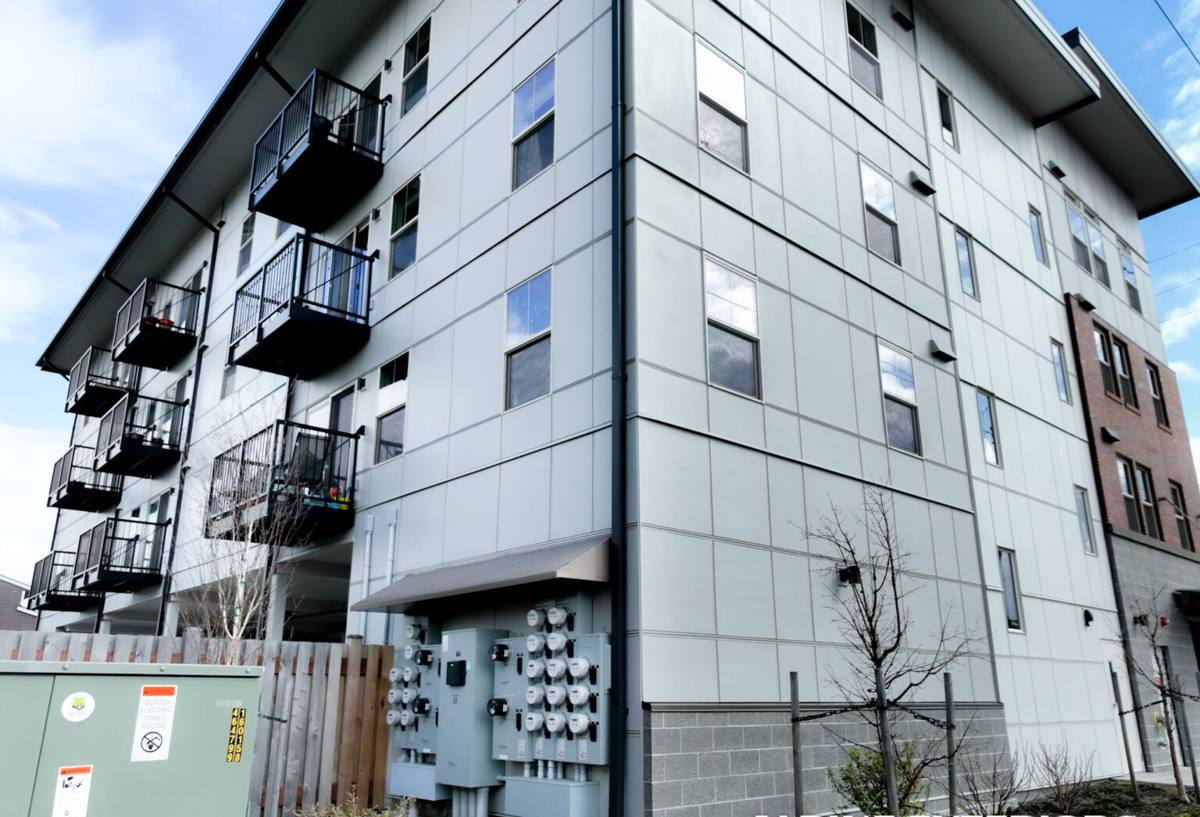
What Makes The Meadows Different From a Generic Siding Job
The Meadows has a mature tree canopy that a lot of newer Sarasota subdivisions simply don't have. That canopy is one of the neighborhood's best features, but it changes what siding has to deal with day to day: more shade means slower drying after rain, more organic debris (leaves, pollen, oak tassels) collecting against walls and in corners, and more humidity held close to the exterior compared to a home sitting in full sun on a cleared lot.
Many homes in established communities like this one also fall under some form of HOA or architectural review, whether that governs color palettes, trim profiles, or general exterior consistency with the street. We're not going to guess at rules that vary house to house — if The Meadows' governing documents apply to your property, that's worth confirming directly. What we can tell you from doing this work locally is that a siding product with a wide, factory-consistent color range and a trim system that can match traditional Florida architectural details makes that approval process a lot easier than trying to force a mismatched product to fit.
Why We Only Install James Hardie Fiber Cement Siding
We don't install vinyl siding, LP SmartSide, Cemplank, Allura, or primed wood and cedar products, and we want homeowners to understand why rather than just take our word for it.
Vinyl is affordable and low-maintenance in mild climates, but it's a plastic product that softens and can deform in sustained heat, and it has real limits on wind resistance compared to fiber cement — a meaningful concern in a hurricane-exposed county. LP SmartSide, Cemplank, and Allura are all legitimate products with their own engineering, but they're wood-strand or fiber cement formulations with different moisture behavior, warranty structures, and factory-finish options than what we've standardized on. Primed spruce and cedar are beautiful natural materials, but raw wood siding in a humid, salt-air, high-UV environment demands a maintenance schedule — repainting, caulking, moisture monitoring — that most homeowners underestimate until the first signs of rot show up at seams and butt joints.
We standardized on James Hardie fiber cement because it's non-combustible, dimensionally stable in heat and humidity, and backed by a factory-applied ColorPlus finish that's engineered to hold color and resist fading under intense UV — which matters a lot in a place that gets sun like Sarasota does. Hardie also builds region-specific HZ product lines engineered for exactly the moisture and climate conditions Gulf Coast homes face, and the transferable limited warranty is a real asset if you sell the home. That's the product we're willing to put our name behind.
What a Correct Fiber Cement Siding Installation Actually Involves
Fiber cement performs the way it's supposed to only when it's installed to spec. This is not a forgiving material for shortcuts — the manufacturer's install requirements exist because the failures that show up when they're skipped (moisture intrusion, cracking, premature paint failure) are expensive to fix after the fact.
Moisture Management Behind the Siding
A correct install starts with a proper weather-resistive barrier and correctly integrated flashing at every window, door, and penetration. Fiber cement is durable, but it's not the primary moisture defense — the water-resistive barrier and flashing details behind it are, and that layer is invisible once the job is done. It's also the layer that separates a siding job that lasts decades from one that causes hidden rot in five years.
Fastening and Clearances
James Hardie specifies fastener type, spacing, and penetration depth, along with minimum clearances from roof lines, decks, and grade. In a high-wind zone like ours, correct fastening isn't optional detail work — it's the difference between siding that stays put in a tropical storm and siding that doesn't.
Joints, Caulking, and the Finish
Butt joints, corners, and trim intersections need to be sealed with a caulk rated for the material and the climate, and ColorPlus finished pieces need field touch-up products matched to the factory finish rather than generic paint. Getting this wrong is what causes visible seams and color mismatch a year or two down the road.
Comparing Siding Materials for a Meadows Home
| Factor | James Hardie Fiber Cement | Vinyl | Wood / LP SmartSide |
|---|---|---|---|
| Wind resistance | Engineered and rated for high-wind installation | Lower wind ratings, can crack or blow off in gusts | Varies; wood strand and panel products have their own limits |
| Moisture behavior | Dimensionally stable, non-combustible, engineered for humid climates | Doesn't absorb water but can warp or buckle in heat | Wood-based products absorb moisture and require diligent maintenance |
| UV / color retention | Factory ColorPlus finish engineered for fade resistance | Can fade and chalk over time in intense sun | Paint or factory finish fades faster; repainting is routine |
| Maintenance | Periodic washing and caulk inspection | Low maintenance but limited repairability | Regular repainting and moisture checks needed |
| Fire rating | Non-combustible | Combustible plastic | Combustible |
Our Process, From Estimate to Finished Siding
- On-site assessment — we walk the home, check the current siding and substrate condition, and note any moisture damage or trim issues before quoting anything.
- Product and color selection — we help you choose the right HardiePlank, HardiePanel, or trim profile and a ColorPlus color, factoring in sun exposure and any neighborhood standards you need to meet.
- Tear-off and prep — old siding comes off, the substrate is inspected and repaired if needed, and the weather-resistive barrier and flashing are installed correctly the first time.
- Installation — siding, trim, and joints are installed to James Hardie's fastening, clearance, and sealing specifications.
- Final inspection and cleanup — we walk the finished job with you, address anything that needs adjustment, and clear the site of debris and old material.
What Affects the Cost of a Fiber Cement Siding Job Here
Every home is different, but a few factors consistently move the price on a Meadows-area siding project:
- Whether existing siding is a simple tear-off or has hidden substrate damage that needs repair first
- The home's overall square footage and the amount of trim, corners, and architectural detail
- Access — mature landscaping and tree canopy common in this neighborhood can affect staging and equipment access
- Siding profile and plank width chosen (lap siding vs. panel systems)
- Color — standard ColorPlus colors versus custom or premium finish options
We give straightforward, itemized estimates rather than vague ballpark numbers, so you know exactly what you're paying for before work starts.
Keeping Your New Siding Performing Long-Term
Fiber cement is low-maintenance, not no-maintenance. A little attention keeps it performing the way it's designed to in this climate:
- Rinse siding periodically to remove salt residue, pollen, and organic debris, especially on shaded or tree-covered walls
- Inspect caulk lines at trim and joints annually and have any cracked or separated caulk replaced
- Keep gutters clear so water isn't overflowing directly onto siding runs
- Trim back vegetation and tree limbs that hold moisture against the wall or scrape the finish
- Address any impact damage or chips in the finish promptly rather than letting exposed edges sit
Why Hiring a Crew That Already Works in The Meadows Matters
Siding contractors who haven't worked in this specific type of established, tree-canopied Sarasota neighborhood tend to underestimate two things: how much the tree canopy affects moisture and access, and how much smoother the job goes when the crew already understands the kind of architectural consistency these communities tend to expect. A crew with local experience knows what correct installation looks like in Sarasota County's wind and moisture conditions specifically, not just what a general install manual says.
That local familiarity also means fewer surprises — we've seen what happens to siding that wasn't installed correctly for this climate, and we build every job to avoid repeating those problems.
If you're weighing a siding replacement for a home in The Meadows, we're glad to walk the property, answer questions honestly, and put together a free, no-pressure estimate using the form below.