 Sarasota Roofing
 Siding Installation Built for Palmer Ranch, Not for Somewhere Else
Palmer Ranch sits inland from the coast but still lives under the same Sarasota County weather load as the barrier islands — high humidity, long stretches of intense UV, seasonal tropical systems, and wind-driven rain that finds every gap in a building envelope. Siding here isn't just a cosmetic upgrade. It's the primary barrier standing between your home's structure and a climate that works against exterior materials twelve months a year. A siding job that would hold up fine in a mild, dry climate can fail here in a fraction of the time if it's the wrong product, installed the wrong way.
This page covers what siding installation actually involves for a Palmer Ranch home — what the climate demands, what correct installation looks like, and why we only install one product system across every job we do in this area.
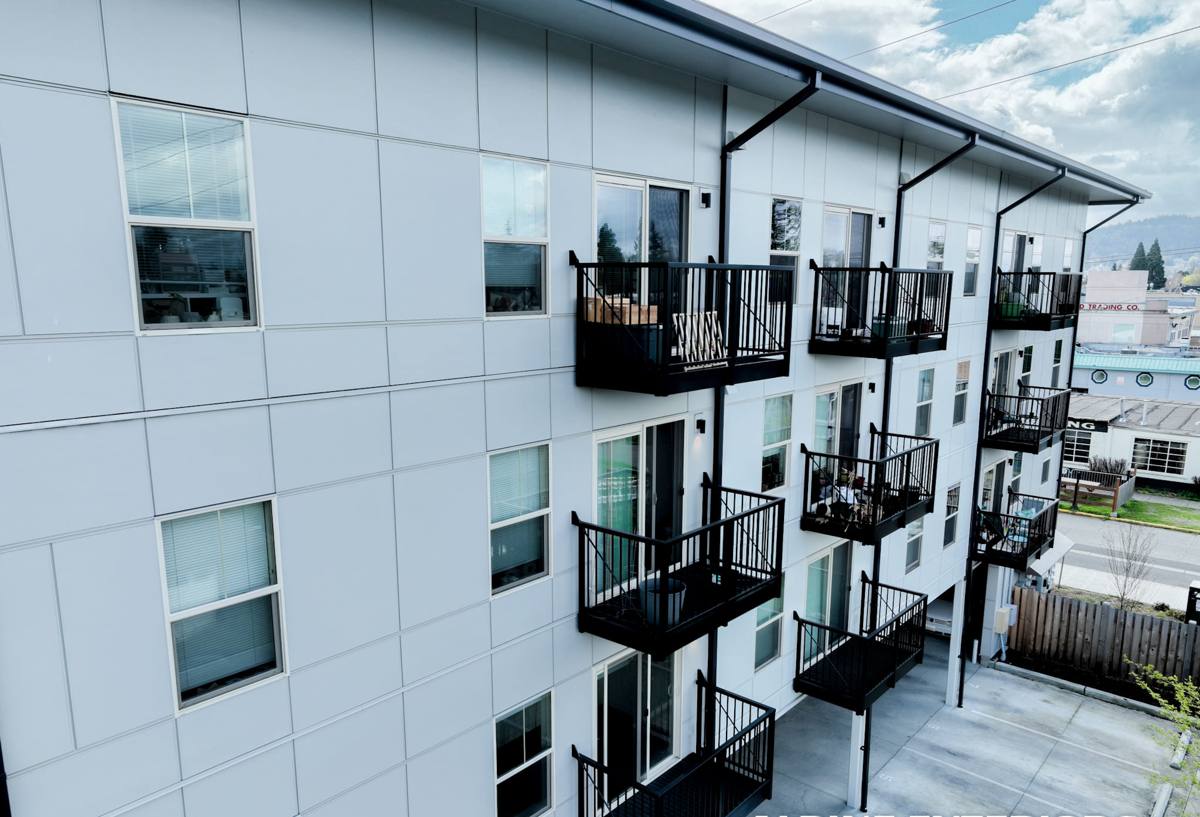
What Sarasota County's Climate Does to Siding Over Time
Before talking about installation, it's worth being specific about what siding in this part of Florida is actually up against, because it explains almost every decision in the sections that follow.
Hurricane-Force Wind
Sarasota County sits in a wind zone where siding has to be rated and fastened to resist sustained high winds and wind-driven debris, not just installed to look tight on a calm day. Wind doesn't just push on a wall — it gets under loose edges and pries siding off from the corners and butt joints inward. Fastening pattern and edge detailing matter as much as the product itself.
Intense, Year-Round UV
Florida sun is stronger and more consistent than most of the country sees. Paint film on wood or engineered wood siding chalks, fades, and breaks down faster here than in northern climates, which is why factory-cured finishes hold their color longer than anything painted on site.
Wind-Driven Rain
Rain in Sarasota rarely falls straight down during a storm. It comes in sideways, which means it gets forced into laps, seams, and fastener penetrations that a vertical-rain climate would never test. Flashing details and drainage planes that are "close enough" elsewhere aren't close enough here.
Salt Air
Palmer Ranch isn't beachfront, but salt-laden air still moves inland across the county, especially with onshore winds. Salt accelerates corrosion on exposed fasteners and metal flashing and adds another layer of wear to any material that isn't built to resist it.
None of these forces act alone — they compound. A siding system has to hold its fastening under wind load, keep water out under wind-driven rain, resist UV breakdown for decades, and shrug off salt exposure, all at the same time, on the same wall.
Why We Install Only James Hardie Fiber Cement Siding
We don't install vinyl, LP SmartSide, or other engineered wood products, and we don't offer primed wood or cedar siding as an option. That's not a marketing position — it's a standard we hold because of exactly what's described above. Fiber cement is non-combustible, dimensionally stable in heat and humidity, and doesn't absorb water the way wood-based products can if a seam ever gets compromised. James Hardie's HZ5 product line is specifically engineered for high-humidity, storm-prone climates like ours, and their ColorPlus finish is a factory-applied, baked-on finish that resists fading and chalking far longer than field-applied paint.
We're not going to tell you every other product is worthless — plenty of products have a place somewhere. But for a Palmer Ranch home taking the climate load described above, we've made the call that James Hardie fiber cement is the only system we're willing to warranty our labor against, and it's the only one we install.
What a Correct Installation Actually Involves
Siding failures around here are rarely about the siding material itself — they're almost always about what happened underneath it. A correct installation is a system, not just a product nailed to a wall.
Substrate and Moisture Management
Before any siding goes up, the wall needs a continuous, properly lapped weather-resistant barrier, with every penetration — outlets, hose bibs, light fixtures — flashed and sealed individually. Any gaps in the old siding or sheathing get addressed at this stage, not covered over. This layer is what actually keeps wind-driven rain out; the siding itself is the second line of defense, not the first.
Fastening and Wind Rating
James Hardie publishes specific fastening schedules tied to wind zone, and Sarasota County's wind zone requires tighter fastener spacing than you'd see in a lot of the country. Corrosion-resistant fasteners are set at the correct depth — overdriven or underdriven nails are one of the most common causes of early siding failure, because they either crack the board or leave it loose enough for wind to work at over time.
Joints, Laps, and Flashing
Every horizontal joint gets flashed, not just caulked. Caulk is a maintenance item that degrades under UV; flashing is permanent. Butt joints, inside and outside corners, and transitions around windows and doors are where the vast majority of leaks originate, so these get the most attention during installation, not the least.
Finish and Color
Because ColorPlus finish is factory-applied, field cuts need to be sealed with a matching touch-up product to maintain the finish's integrity at cut edges. This is a small step that's easy to skip and easy to notice years later when unsealed edges start to show wear ahead of the rest of the field.
Our Process, Start to Finish
- On-site assessment: We look at your home's current siding condition, wall substrate, trim details, and any problem areas — moisture staining, soft spots, gaps around penetrations — before quoting anything.
- Written estimate: A clear scope covering product line, color, trim and accessory selections, tear-off if needed, and timeline.
- Preparation and tear-off: Removal of old siding where applicable, inspection and repair of sheathing, and installation of the weather-resistant barrier.
- Installation: Siding installed to James Hardie's published fastening and flashing specifications for our wind zone.
- Detail work: Trim, corners, and joint flashing completed, cut edges sealed.
- Final walkthrough: We walk the job with you before calling it done, so nothing gets missed.
What Drives Cost on a Palmer Ranch Siding Job
Every home is different, so we won't quote a number here that doesn't apply to your house. What we can do is lay out the factors that actually move the price, so you know what you're looking at before an estimate.
| Factor | Why It Matters |
|---|---|
| Home size and wall area | More square footage of siding and trim means more material and labor |
| Tear-off vs. new construction | Removing and disposing of existing siding adds labor beyond installing over prepared sheathing |
| Substrate condition | Rotted or water-damaged sheathing found during tear-off needs repair before new siding goes on |
| Product line and profile | Lap width, panel style, and trim selections vary in material cost |
| Story height and access | Second-story and hard-to-access walls take more time and equipment |
| Architectural detail | Multiple gables, dormers, and trim transitions add cutting and flashing time |
Signs a Palmer Ranch Home May Need Siding Attention
Not every siding issue is obvious from the street. A few things worth checking:
- Soft or spongy spots when you press on the siding near the bottom of walls or under windows
- Visible warping, buckling, or gaps at seams and corners
- Paint that's peeling, bubbling, or chalking heavily to the touch
- Staining or streaking that suggests water is tracking behind the siding rather than off of it
- Fastener heads showing through the surface or streaking with rust
- Increased pest activity around wall penetrations, which can indicate a moisture-softened substrate
Any one of these is worth a look. Several together usually mean the underlying moisture barrier has been compromised for a while, not just a cosmetic issue.
Why a Crew That Already Works Palmer Ranch Matters
Installation quality aside, there are practical reasons local experience matters on a job like this. A crew that regularly works in Sarasota County already knows the wind zone requirements that apply to permitted siding work here, has a working relationship with the local permitting process, and understands how Palmer Ranch's HOA and architectural review expectations typically run — which colors and profiles tend to move through approval without back-and-forth, and what documentation is usually asked for. That familiarity shortens the distance between a signed estimate and a finished, inspected job, and it means fewer surprises mid-project.
It also means the crew has already seen how James Hardie siding performs on homes in this specific climate over years, not just on installation day — which informs details like fastener choice, joint sealing, and where extra flashing attention pays off long-term.
Maintenance After Installation
James Hardie fiber cement is low-maintenance, but low-maintenance isn't no-maintenance. A periodic rinse to remove salt residue and airborne grime, prompt attention to any caulk lines that start to crack, and a visual check after major storms for impact damage or loosened trim will keep a correctly installed system performing for the long haul. ColorPlus finish is warranted against fading and peeling, but even a great finish benefits from a homeowner who notices small issues before they become bigger ones.
If your Palmer Ranch home's siding is showing its age, or you're planning ahead for a replacement, we're happy to take a look and walk you through what we'd recommend and why. Estimates are free, there's no pressure, and you'll get a straight answer about what your home actually needs — use the form below to get started.