 Sarasota Roofing
 Siding Repair in Rosemary District
Rosemary District sits close to downtown Sarasota, and it's one of the more visibly mixed pockets of the city — older Florida cottages and bungalows standing next to newer infill construction, often on the same block. That mix matters when it comes to siding repair. A repair approach that makes sense on a decades-old wood-sided cottage is often the wrong call on a newer fiber cement build, and vice versa. Any contractor working on siding here needs to look at the actual material on the wall, not just assume one fix fits every house.
Because the neighborhood is so close to the bay and downtown's open exposure, homes here take a fairly steady beating from the same forces that affect the rest of Sarasota County — just with less tree cover to soften it on some streets. That's the backdrop for how we approach every repair call we get from this area.
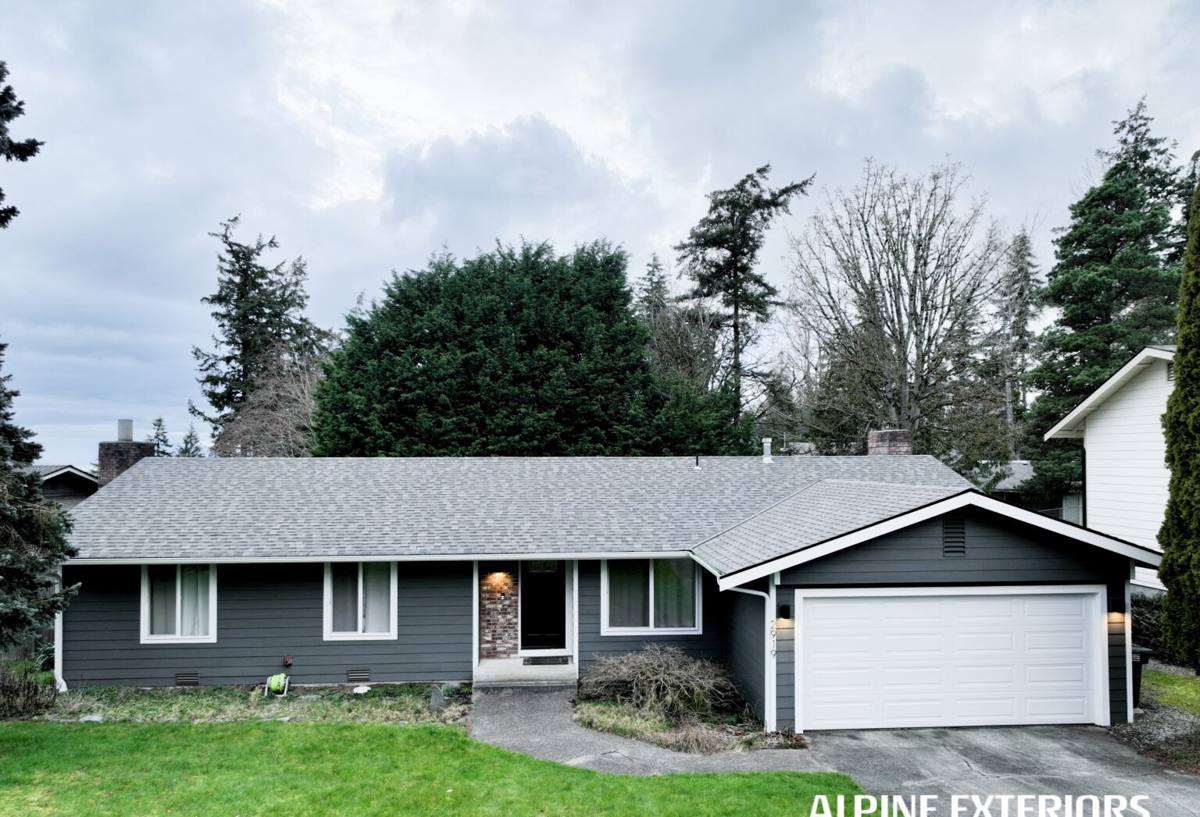
How Sarasota's Climate Damages Siding
Siding failure in this region rarely comes from one dramatic event. It's usually the slow accumulation of several things working against the material at the same time:
- Hurricane-force wind: Even storms that don't make direct landfall can generate sustained gusts strong enough to flex siding panels, pop fasteners loose, or peel material away at corners and edges where wind pressure concentrates.
- Wind-driven rain: Sarasota's storms rarely fall straight down. Rain pushed sideways by wind gets forced behind panels, into seams, and around trim — and once moisture gets behind siding, the damage often starts on the sheathing before it's visible on the surface.
- Year-round UV exposure: Florida sun is intense and constant, not seasonal. UV breaks down paint films, caulking, and lower-grade siding substrates faster than in most of the country, which shows up as chalking, fading, and brittleness.
- Salt air: Proximity to the Gulf and the bay means airborne salt settles on exterior surfaces and accelerates corrosion of fasteners, trim, and any metal components tied into the siding system.
None of these forces is unique to Rosemary District, but the combination is a constant here, and it's why siding that looks fine from the curb can still have real problems underneath.
Signs Your Siding Needs Repair
Most homeowners call us after noticing something specific, not because they've done a full inspection. Here's what typically signals a repair is overdue rather than optional:
- Soft or spongy spots when you press on the siding, especially near the bottom courses or under windows
- Visible gaps, buckling, or panels that have pulled away from the wall
- Cracked or crumbling caulk joints around trim, windows, and corners
- Peeling or bubbling paint that keeps coming back in the same spot after repainting
- Discoloration or staining that spreads rather than wipes off — often a sign of moisture intrusion, not just dirt
- Missing or visibly damaged panels after a storm, even if the rest of the wall looks untouched
- A musty smell or interior wall staining on the room behind an exterior wall
Any one of these on its own might be minor. Several together, or one that's been ignored for a season or two, usually means water has already gotten past the surface.
Repair or Replace? How We Make That Call
Not every damaged section needs a full re-side, and we're not going to tell you it does. But patch repairs have limits, and the honest answer depends on the material, how localized the damage is, and what's happening behind the siding. Here's roughly how we think through it:
| Situation | Repair usually makes sense | Replacement usually makes more sense |
|---|---|---|
| Damage location | Isolated to a small area — one panel, one corner, one storm-hit section | Spread across multiple walls or recurring in the same spots |
| Underlying sheathing | Dry, solid, no rot found when the area is opened up | Soft, wet, or rotted sheathing found behind the siding |
| Siding material | Fiber cement (James Hardie) in generally good condition elsewhere | Original wood, vinyl, or lower-grade siding already showing widespread wear |
| Age of the siding | Well within its expected service life | Already near or past what the material is realistically good for |
| Color match | Recent installation with matching ColorPlus finish still available | Older or discontinued color that can't be matched cleanly |
We'll always tell you when a patch is the right, cost-effective answer. We'll also tell you when a repair is just going to be a temporary fix on a wall that's failing more broadly — that's a disservice to a homeowner if we don't say it plainly.
Why We Repair — and Rebuild — in James Hardie Fiber Cement
We install James Hardie fiber cement siding exclusively. We don't install LP SmartSide, vinyl, Cemplank, Allura, primed spruce, or cedar, and that standard shapes how we handle repair work too.
If your home already has James Hardie siding, repairs are usually straightforward — we can cut in matching panels, and Hardie's ColorPlus factory finish means a properly matched repair blends in rather than becoming a visible patch. If your home has a different siding material and it's failing in a way that's spreading — repeated wood rot, chronic vinyl cracking, ongoing paint failure — we'll say so honestly, and our recommendation is to replace the affected section, or eventually the whole elevation, with fiber cement rather than keep patching a material that's working against you in this climate. That's not a sales pitch; it's the same standard we hold for every home we work on, in Rosemary District or anywhere else in Sarasota County.
Fiber cement doesn't rot, it's non-combustible, and it's engineered specifically for humid, storm-prone climates through Hardie's HZ5 product line, which is built for exactly the wind, moisture, and humidity conditions Sarasota deals with year-round.
What a Correct Siding Repair Involves
A repair that actually holds up isn't just swapping a damaged panel for a new one. Done right, it involves:
1. Finding the real extent of the damage
We pull the visibly damaged section and check what's underneath before deciding on scope. Surface damage is often smaller than the moisture damage hiding behind it, and skipping this step is how "repairs" fail again within a year or two.
2. Addressing the water-resistive barrier
Any opening in the siding is an opportunity to inspect and repair the house wrap or weather barrier behind it. If that layer is compromised, replacing the siding panel alone doesn't fix the underlying problem — water will find the same path back in.
3. Correct flashing and fastening
Improperly flashed seams and incorrect fastener placement are common causes of repeat failures, especially around windows, trim, and corners where wind pressure and water intrusion concentrate. We follow manufacturer fastening specs, not shortcuts.
4. Sealing and caulking to spec
Caulk breaks down under constant UV exposure, so joints get sealed with products rated for this climate, applied at the right joints — not smeared over everything as a catch-all.
5. Color and texture matching
For fiber cement repairs, we match ColorPlus finishes as closely as current product lines allow. Where an exact match isn't possible, we're upfront about that before starting, so there are no surprises when the patch goes in.
Storm Damage and Insurance Considerations
After a significant wind event, it's worth having siding inspected even if the damage isn't obvious from the ground — wind-driven rain can get behind a panel that looks intact. If you're filing an insurance claim, document the damage with photos before any repair work starts, and get a written scope of the repair from your contractor. We can provide that kind of documentation as part of an estimate, but we're not insurance adjusters or public adjusters, and we'd encourage you to work directly with your carrier or an independent adjuster on the claims side of things.
Why Hire a Crew That Already Works in Rosemary District
Siding repair sounds simple until you're the one deciding whether a soft spot is cosmetic or structural, or whether a color match is close enough to live with. A crew that's already worked on homes in this neighborhood has a practical sense of what's common here — the mix of older and newer construction, the exposure levels on different streets, and what tends to fail first given the wind and salt air this close to downtown and the bay. That's not a substitute for inspecting your specific house, but it does mean fewer surprises and a faster, more accurate assessment when we show up.
We'd rather tell you a $400 patch will hold for years than sell you a full re-side you don't need — and we'd rather tell you the patch won't hold than let you find that out the hard way after the next storm season.
If you're dealing with damaged, aging, or storm-affected siding on a Rosemary District home, we're happy to take a look and give you a straight answer. Reach out for a free, no-pressure estimate using the form below.