 Sarasota Roofing
 Roof Repair Built for Rosemary District's Mix of Older and Newer Homes
Rosemary District sits close to downtown Sarasota, and like a lot of established Sarasota County neighborhoods near the urban core, it's a mix — older bungalows and cottages with decades of roof history standing near newer infill construction and mixed-use buildings. That mix matters when it comes to roof repair. An older home may have layered repairs, outdated flashing details, or a roof deck that's seen more sun cycles than the shingles on top of it. A newer build may still be under manufacturer warranty, which changes what repairs are appropriate and who should be doing them. A repair plan that doesn't account for the age and construction of the specific roof in front of us isn't really a plan — it's a guess.
We work roofs in this part of Sarasota regularly, which means we're not learning the neighborhood on your dime. We know what kind of roof systems tend to show up on older Rosemary District homes versus newer builds, and we adjust our diagnosis and repair approach accordingly instead of applying a one-size-fits-all fix.
What Sarasota's Climate Does to a Roof
Every roof in this part of Florida is fighting the same combination of stressors, and Rosemary District is no exception. Hurricane-force winds test every fastener, seam, and flashing point a roof has. Intense, year-round UV exposure breaks down shingle granules, dries out sealants, and shortens the working life of almost every roofing material faster than it would in a milder climate. Wind-driven rain doesn't just fall on a roof — it gets pushed sideways and upward under edges, ridge caps, and flashing that would stay dry in a normal rainstorm. And because Sarasota is a coastal county, salt air adds a slow, steady corrosion factor to any exposed metal — fasteners, flashing, vent stacks, and metal roofing panels alike.
None of these forces act alone. A shingle that's already brittle from UV exposure is far more likely to lift or crack in high wind. A fastener that's corroding from salt air is more likely to back out under wind pressure, opening a path for wind-driven rain. Roof repair here isn't just about patching the visible problem — it's about recognizing which of these stressors caused the damage and making sure the repair holds up against all of them going forward, not just the one that happened to show up first.
Why This Matters More for Repair Than New Construction
A brand-new roof is built to current code and typically has a uniform, undamaged surface working in its favor. A repair has to work with what's already there — existing wear patterns, prior repairs, and materials that may no longer be manufactured in the exact profile or color originally installed. Doing a repair correctly in this climate means understanding both the new patch and the surrounding roof it has to integrate with.
Common Roof Repair Issues We See on Rosemary District Homes
The specific repair needs vary by roof type and age, but a few patterns show up consistently in this area:
- Cracked, curling, or missing shingles from prolonged UV exposure combined with wind lift
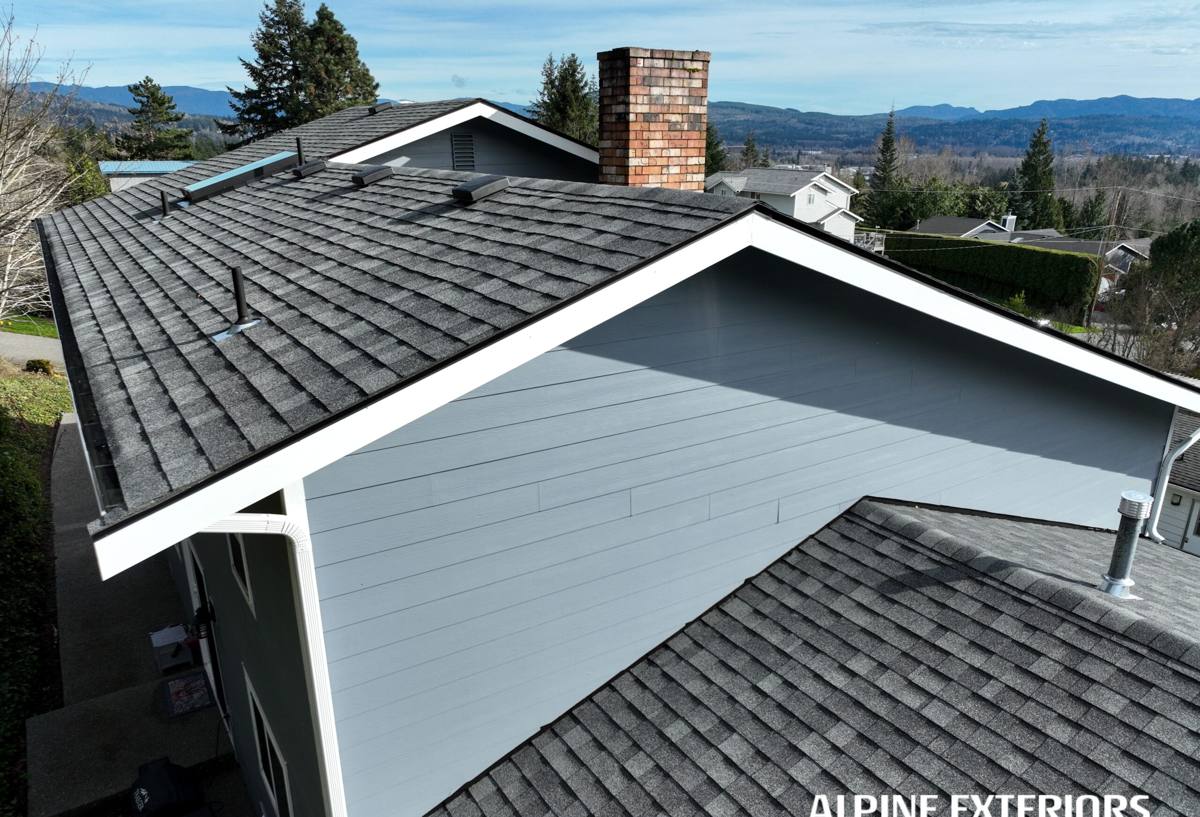
- Flashing failures around chimneys, skylights, and roof-to-wall transitions — often the actual source of a leak that appears to be coming from the field of the roof
- Deteriorated pipe boots and vent seals, which are usually rubber or plastic components that break down faster than the roofing material around them
- Nail pops and lifted fasteners from repeated wind events, which loosen shingles even when they look intact from the ground
- Ponding or slow drainage on lower-slope sections, especially where additions or roof-to-roof transitions were built at different times
- Corrosion on exposed metal fasteners and trim from ongoing salt air exposure
On older homes in the area, we also regularly find evidence of prior repairs that were done to stop a leak quickly without addressing the underlying cause — a smear of roofing cement over a flashing gap, for example, instead of properly reforming and resealing the flashing itself. Those quick fixes tend to fail again, usually during the next significant storm.
What a Correct Roof Repair Actually Involves
Diagnosis Before Any Repair Work
Every repair starts with figuring out the actual source of the problem, not just the point where water is showing up inside the home. Water travels along roof decking and framing before it drips through a ceiling, so the visible stain and the actual entry point are often several feet apart. We inspect the roof surface, flashing details, penetrations, and attic space (where accessible) to trace the leak back to its source before recommending a fix.
Matching Materials and Techniques
A repair should blend into the existing roof as closely as possible — matching shingle profile, color, and exposure where feasible, and using flashing and fastening methods consistent with how the rest of the roof was built. When an exact material match isn't available because a product has been discontinued, we'll tell you that honestly and walk through the closest reasonable options rather than making a hidden substitution.
Sealing for Wind and Water, Not Just Appearance
Given the wind and rain patterns here, every repair we do is evaluated for how it performs under wind-driven rain and gusts, not just how it looks once finished. That means proper fastener placement and count, correctly lapped flashing, and sealants rated for sustained UV and heat exposure rather than general-purpose products that break down quickly in direct Florida sun.
Repair vs. Replacement: How We Help You Decide
Not every roof problem calls for a full replacement, and not every leak can be permanently solved with a patch. The right call depends on the roof's age, how widespread the damage is, and how many prior repairs it's already carrying.
| Factor | Leans Toward Repair | Leans Toward Replacement |
|---|---|---|
| Roof age | Under roughly 12-15 years, or within stated shingle service life | Approaching or past expected material lifespan |
| Damage extent | Isolated to one section, flashing point, or penetration | Spread across multiple sections or slopes |
| Repair history | First or second repair on this roof | Multiple prior patches in different areas |
| Decking condition | Solid, no soft spots or rot found during inspection | Soft decking, visible rot, or widespread moisture damage |
| Underlying cause | Localized, correctable issue (one bad flashing detail, one damaged section) | Systemic issue affecting the whole roof (aged-out material, failed underlayment) |
We'll give you a straight answer on which side of that table your roof falls on. If a repair is the honest recommendation, that's what we'll propose — we don't upsell replacements on roofs that don't need them, and we won't quote a "quick patch" on a roof that's genuinely past the point where repair makes financial sense.
Our Repair Process
- Inspection. We look at the roof surface, flashing, penetrations, and attic access points to identify the actual cause of the problem, not just the symptom.
- Written estimate. You get a clear explanation of what we found, what we recommend, and why — along with a price before any work starts.
- Repair. We remove and replace damaged materials, reform or replace failed flashing, reseal penetrations, and restore the affected area to a condition that matches the surrounding roof as closely as possible.
- Cleanup and check. We clear debris, old materials, and fasteners from the property and do a final walk-through so you know exactly what was done.
We size the crew and schedule to the job — a flashing repair around a single chimney is a different scope than storm damage across multiple roof sections, and we'll be upfront with you about which one you're dealing with once we've inspected it.
Signs Your Rosemary District Roof Needs a Repair Call
Some roof problems are obvious from the ground; others only show up once you know what to look for.
- Water stains on interior ceilings or upper walls, especially after heavy rain or wind
- Missing, cracked, or curling shingles visible from the ground or a ladder
- Granules collecting in gutters or at downspout outlets
- Visible daylight through the attic roof deck
- Soft or spongy spots when walking the roof (a sign for a professional to check, not a DIY test)
- Rusty streaks running down from metal flashing, vents, or fasteners
- A roof that's due for its next hurricane season without having been inspected in the last year or two
Why Hire a Crew That Already Works This Neighborhood
Roofing companies that don't regularly work a given neighborhood have to relearn its quirks on every job — the typical roof ages, the common construction details, the local permitting process, the way weather actually behaves on that particular stretch of coastline. A crew that already works in and around Rosemary District and greater Sarasota has that context built in, which shows up as faster, more accurate diagnosis and fewer surprises mid-repair.
It also matters for accountability. A roofing repair is only as good as the workmanship behind it, and a local, established contractor has a reputation in the community to stand behind — not just a single job to finish and move on from.
Ready for an Honest Look at Your Roof?
If you're dealing with a leak, storm damage, or just want a professional opinion on a roof that's showing its age, we're happy to take a look. Reach out for a free, no-pressure estimate — we'll inspect the roof, explain exactly what we find, and give you a straight recommendation for what it actually needs. The form below will get you started.