 Sarasota Roofing
 Building New in Rosemary District Means One Chance to Get Windows Right
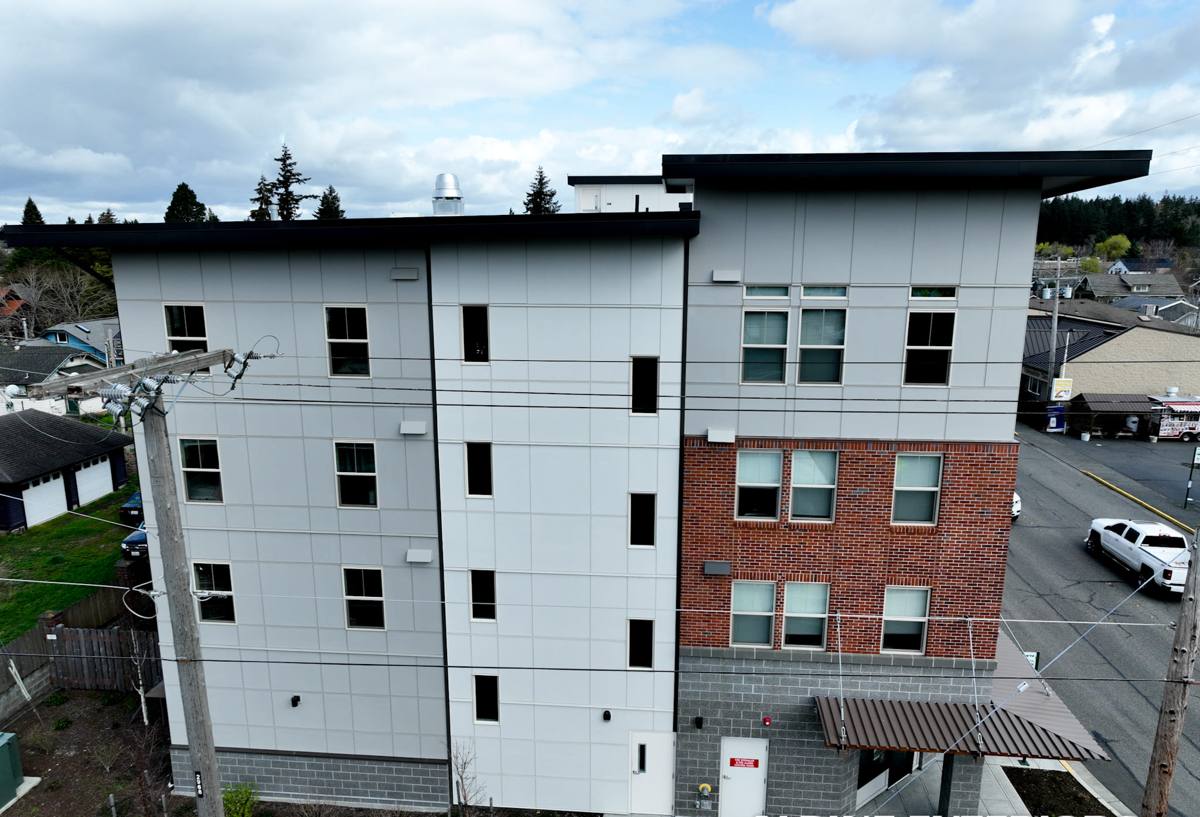
Rosemary District has seen a steady wave of new-construction homes, townhomes, and infill builds move in around downtown Sarasota over the past several years. If you're framing a new build or working with a builder on one, the windows you spec now are the windows that will carry that house through every hurricane season for decades. Unlike a replacement job, new construction gives you one clean shot to get the frame, the flashing, and the glazing right before drywall and siding close everything in. Get it wrong here and you're not swapping a sash later — you're opening up finished walls.
We install new-construction windows for builders and homeowners across Sarasota, and Rosemary District's mix of infill lots, tight setbacks, and older adjacent construction gives it its own set of practical wrinkles. This page covers what a correct installation actually involves, what Sarasota County's climate and code require, and why the crew doing the work matters as much as the window brand on the label.
What Sarasota's Climate Actually Demands From a New Window
Sarasota County sits on the Gulf coast, which means every window installed here is fighting a longer list of stresses than a window going into a house in Atlanta or Charlotte. New-construction windows in this area need to hold up against four things at once, year after year.
Wind Load and Windborne Debris
Coastal Sarasota County falls inside Florida's windborne debris region under the Florida Building Code, which means new construction generally requires impact-rated glazing or approved protective coverings on exterior openings, along with framing anchored to meet the wind loads engineered for the site. This isn't optional trim-level upgrade territory — it's a code baseline that has to be documented at permitting.
Year-Round UV Exposure
Florida sun is intense and near-constant. Cheap or improperly glazed windows fade interior finishes, degrade vinyl frames, and lose seal integrity faster here than they would in a milder climate. Low-E coatings and quality frame materials aren't cosmetic upsells — they're what keeps a window performing at year ten instead of year three.
Salt Air and Corrosion
Rosemary District isn't beachfront, but it's close enough to the Gulf that salt-laden air still reaches it, especially on onshore wind days. Hardware, fasteners, and frame components that aren't rated for coastal exposure corrode faster than homeowners expect, which shows up as sticking sashes, pitted hinges, and streaked frames well before the glass itself fails.
Wind-Driven Rain
Florida storms don't just drop rain straight down — wind pushes it sideways into wall assemblies, and a window opening is the weakest point in that wall if it's flashed poorly. Most water intrusion problems we get called out to inspect trace back to flashing and sealant details at the window opening, not the window unit itself.
New-Construction vs. Replacement Windows: Why the Method Matters
These are genuinely different installation methods, not just different price points, and mixing them up on a new build causes real problems.
| Factor | New-Construction Window | Replacement (Retrofit) Window |
|---|---|---|
| Mounting method | Nailing flange fastened directly to sheathing before siding/stucco | Frame inserted into existing opening, often without a flange |
| Flashing integration | Integrates with the wall's weather-resistive barrier during framing | Relies on sealant and existing wall flashing, harder to fully renew |
| Best used for | New builds, additions, full wall openings | Existing openings where wall and exterior finish stay intact |
| Weatherproofing control | Full control over sequencing — house wrap, flashing tape, sill pan, then window | Limited to what the existing rough opening allows |
Because a new build gives you the wall open, there's no excuse for cutting corners on flashing sequence. This is the stage where a water intrusion problem gets prevented permanently, or gets built in permanently.
Getting the Installation Sequence Right
Sill Pan and Weather Barrier First
Before a window ever goes into the opening, the rough opening needs a properly lapped sill pan and integration with the house wrap or weather-resistive barrier so that any water reaching the opening drains back out, not into the wall cavity. Flashing tape gets lapped in the correct shingle-style order — sides over the sill pan, head flashing over the sides — so water always sheds downward and outward.
Fastening for Actual Wind Load
The nailing flange has to be fastened at the spacing and fastener type specified by the window's product approval, not just "enough nails to hold it." Wind load transfers through those fasteners into the framing, and skipping or spacing them incorrectly is one of the most common reasons a window fails during a storm even though the glass and frame were rated correctly.
Sealant and Expansion Gaps
Windows need a gap around the frame for thermal movement, filled with the right backer rod and sealant — not foamed solid, which can bow frames, and not left dry, which invites air and water infiltration. Sarasota's heat swings between a hot afternoon and a cooler night mean that gap does real work over the life of the window.
Frame Materials and Glass Packages Worth Considering
There's no single "best" frame material for every Rosemary District build — the right call depends on budget, exposure, and how the elevation faces prevailing wind and rain.
| Frame Type | Strengths | Trade-offs in This Climate |
|---|---|---|
| Vinyl | Won't corrode, good insulation, lower cost | Can expand/contract more in heat swings; quality varies widely by manufacturer |
| Aluminum | Strong, slim sightlines, holds up structurally under wind load | Conducts heat unless thermally broken; needs coastal-rated hardware to resist corrosion |
| Fiberglass | Very stable dimensionally, low maintenance, strong under load | Higher upfront cost than vinyl |
On glazing, impact-rated laminated glass is the standard we recommend for new construction in this area, since it satisfies windborne debris requirements without needing separate storm shutters or panels. Low-E coatings paired with the right glass tint cut down on solar heat gain, which matters for cooling costs given how many months of the year Sarasota runs air conditioning.
Permitting and Code in Sarasota County
New-construction window work here has to go through Sarasota County or City of Sarasota permitting, and the windows themselves need documented product approval — either a Florida product approval number or Miami-Dade Notice of Acceptance — showing they meet the wind and impact requirements for the site's design pressures. Inspectors check flashing and fastening details during the framing stage, before walls close up, so mistakes get caught rather than hidden. A contractor who's pulled these permits before knows what the inspector will actually look for and builds to that standard the first time, instead of scheduling a redo.
Our Process for New-Construction Window Installs
- Review plans and rough openings with the builder or homeowner before framing locks in, to confirm sizes, swing directions, and egress requirements
- Select frame material and glass package based on elevation exposure, budget, and code requirements
- Pull or coordinate permitting with documented product approvals for each unit
- Install sill pans, flashing, and weather barrier integration to the manufacturer's and code's sequencing
- Set and fasten windows to specified nailing patterns for the site's wind load
- Seal with backer rod and sealant, leaving proper expansion gaps
- Walk the job with the builder or homeowner and confirm operation, seals, and finish before final inspection
A Pre-Install Checklist for Homeowners and Builders
- Confirm each window's product approval documentation matches the site's required wind pressures
- Verify rough opening sizes against the window schedule before framing is closed
- Ask what flashing tape and sill pan products will be used, and confirm the lap sequence
- Check that hardware and fasteners are rated for coastal/salt-air exposure
- Get glazing specs in writing — impact rating, Low-E coating, and tint
- Confirm who is scheduling inspections and at what stage of framing
- Ask for the fastener spacing and type being used on the nailing flange
Why a Crew That Already Works Rosemary District Matters
Infill lots in Rosemary District often mean tight side setbacks, older neighboring structures, and coordination with a builder's broader schedule — all things that go smoother when the window crew has already worked jobs in this specific neighborhood and knows the county's permitting expectations. A crew that installs windows across Sarasota regularly sees how salt air, sun exposure, and wind-driven rain actually play out on real houses years later, not just on a spec sheet. That's the difference between a window that's technically installed and one that's installed to actually last through hurricane season after hurricane season in this climate.
If you're framing a new build or working through window selection with your builder in Rosemary District, we're happy to walk through your plans and give you a straightforward, no-pressure estimate — just fill out the form below.