 Sarasota Roofing
 Deck Replacement in the Rosemary District
The Rosemary District sits close enough to downtown Sarasota and the bay that its homes and the outdoor structures attached to them take a different kind of beating than a deck built ten miles inland. Between salt-laden air, long stretches of direct UV exposure, and the wind-driven rain that comes through Sarasota County during the summer storm season, a deck here ages faster than the same deck would in a drier, cooler climate. If your deck is cupping, the fasteners are bleeding rust streaks, or the substructure feels soft when you walk it, you're not imagining things — that's the local climate doing exactly what it does to unprotected or aging wood and hardware.
This page is specifically about replacing a deck for a Rosemary District home, not a general overview of deck work. The considerations below are shaped by what actually happens to decks in this part of Sarasota, and what a correct replacement looks like given those conditions.
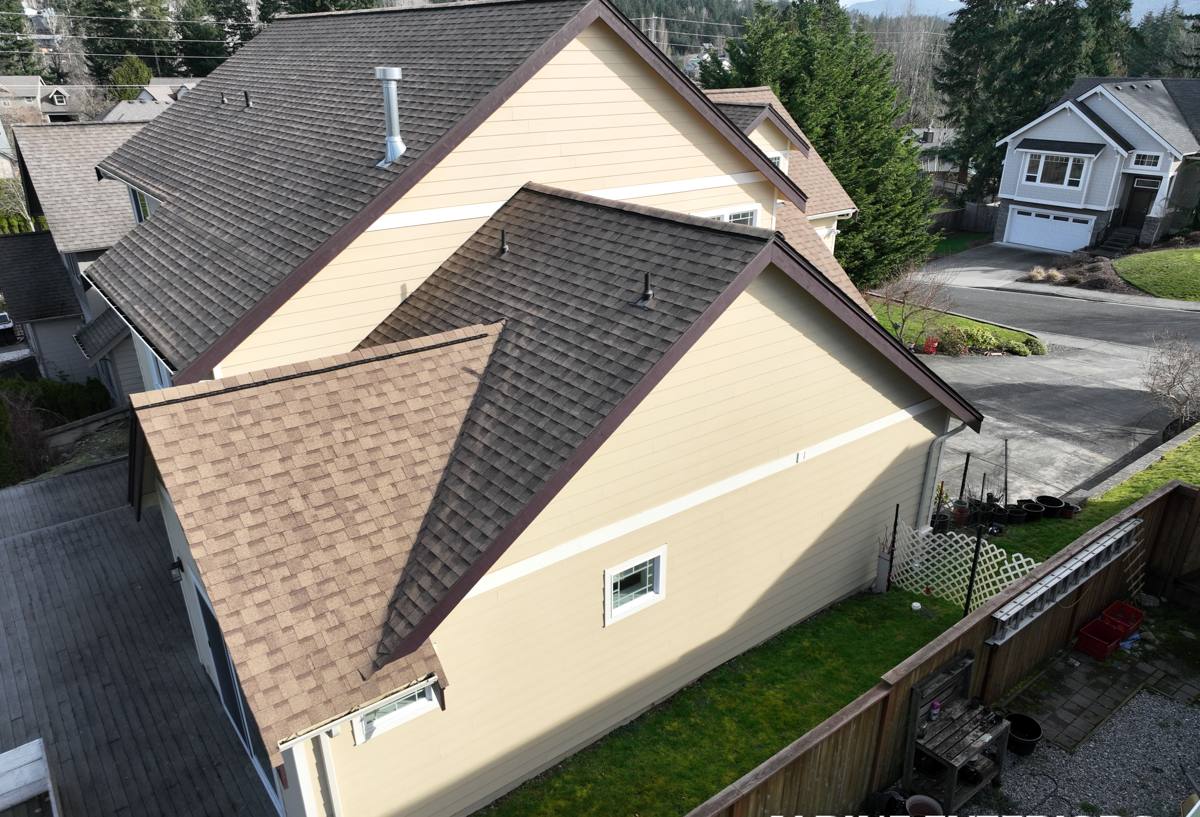
What This Climate Does to a Deck
Salt Air and Metal Fatigue
Even a few miles from open water, airborne salt accelerates corrosion on anything metal — fasteners, joist hangers, railing brackets, and structural screws. Once a fastener starts to corrode, it loses holding strength long before the wood around it looks bad, which is why decks sometimes feel "loose" well before there's any visible rot.
UV Exposure
Sarasota gets strong, direct sun for most of the year. UV breaks down the lignin in wood fibers and degrades the UV inhibitors in composite capping over time, which is why unmaintained wood decking grays and splinters, and why lower-grade composite can fade unevenly depending on sun exposure across the deck's surface.
Wind-Driven Rain and Standing Water
Storms in this area don't just drop rain straight down — wind pushes it sideways and up under boards, into fastener holes, and into any gap in flashing where the deck meets the house. That moisture doesn't just sit on the surface; it gets trapped underneath decking and in ledger connections, which is where the most serious rot and structural damage tends to start.
Hurricane-Force Wind Loads
A deck isn't just a surface to walk on — it's a structure that has to resist uplift and lateral load in high wind. Ledger attachment, post connections, and railing anchoring all matter more here than in a calm-climate build, because an under-built deck is a liability in a named storm, not just an inconvenience.
Signs a Rosemary District Deck Needs Replacing (Not Just Repair)
- Soft or spongy decking boards, especially near the house or around post bases
- Visible gaps opening up between boards from repeated wet-dry cycling
- Rust staining bleeding out from screws, nails, or hardware
- A ledger board that shows any separation from the house or soft wood behind it
- Posts that wobble or railings that flex more than they should under hand pressure
- Widespread graying, splintering, or cracking across most of the deck surface
- A substructure built to an older code that doesn't reflect current wind and connection requirements
If the damage is isolated to a few boards or one section of railing, repair may still make sense. If the substructure itself — joists, ledger, posts — is compromised, replacement is the honest recommendation, because patching individual boards on a failing frame just delays the real cost.
What a Correct Replacement Involves
Removing the Old Deck the Right Way
A full replacement starts with tearing the old structure down to the ledger and posts (or removing those too, if they're compromised) so we can actually see the condition of the framing, the house band board behind the ledger, and the post footings. Skipping this step and building over hidden damage is how decks fail early.
Ledger Attachment and Flashing
The ledger board — where the deck attaches to the house — is the single most important connection on the entire structure, and it's also the most common point of water intrusion in this climate. Correct flashing here, installed so water sheds outward and away from the house rather than behind the ledger, is non-negotiable given how much wind-driven rain this area sees.
Framing and Fasteners Rated for Coastal Conditions
Given the salt air, we don't treat fastener selection as an afterthought. Structural screws, joist hangers, and connectors rated for coastal or marine-grade exposure cost more up front but hold their strength years longer than standard galvanized hardware in this environment.
Post and Footing Depth
Posts and footings need to be sized and set to resist the uplift and lateral forces that come with Sarasota County's wind exposure — this isn't a place to under-build the substructure to save a little money, since it's the part of the deck nobody sees after the job is done.
Decking Material Selection
The decking surface itself is the part homeowners interact with daily, and the right choice depends on how much sun exposure the deck gets, how close it is to salt air, and how much maintenance the homeowner actually wants to do.
Comparing Decking Materials for This Climate
| Material | UV/Sun Resistance | Salt Air Behavior | Maintenance |
|---|---|---|---|
| Pressure-treated wood | Fades and grays without regular sealing | Fasteners need coastal-rated hardware | Sealing every 1-2 years recommended |
| Composite decking (capped) | Good resistance with quality capping | Handles salt exposure well | Low — occasional cleaning |
| Composite decking (uncapped/older-generation) | Can fade or chalk over time | More prone to surface wear near salt air | Moderate — periodic cleaning and inspection |
| Tropical hardwood | Naturally UV-tolerant but will gray without oiling | Dense grain resists moisture well | Requires periodic oiling |
We'll walk through these trade-offs honestly during your estimate rather than pushing one product — the right call depends on your budget, how much upkeep you want to do, and how much direct sun and salt exposure your specific spot in the Rosemary District actually gets.
Our Process for a Rosemary District Deck Replacement
- On-site assessment — we inspect the ledger, framing, posts, and footings, not just the surface boards, to understand what's actually driving the failure.
- Honest scope and estimate — you get a clear picture of what needs full replacement versus what could be repaired, with a straightforward cost range.
- Permitting — deck replacements in Sarasota County generally require permitting; we handle that process rather than leaving it on the homeowner.
- Demolition and disposal — old decking, framing, and hardware removed and hauled off.
- Framing rebuild — ledger flashing, joists, posts, and footings built to current code and sized for local wind loads.
- Decking and railing installation — installed to the manufacturer's specifications for your chosen material, including proper fastener spacing and expansion gaps.
- Final walkthrough — we go over the finished deck with you before calling the job done.
Why a Crew That Already Works This Neighborhood Matters
A deck replacement in the Rosemary District isn't identical to one built inland — the salt exposure, the sun angle, and the storm patterns here call for specific material and hardware choices that a crew unfamiliar with this stretch of Sarasota might not think to flag. A crew that regularly works in this neighborhood already knows what tends to fail first in local decks, which materials actually hold up, and how to navigate Sarasota County's permitting requirements without unnecessary delays. That familiarity translates into fewer surprises during the build and a deck that's actually built for the conditions it has to survive, not a generic spec pulled from a catalog.
Maintenance After Replacement
- Rinse salt residue off the deck surface periodically, especially after storms
- Inspect fasteners and hardware annually for early signs of corrosion
- Reseal wood decking on the schedule appropriate to the product — don't wait until it's visibly gray
- Keep gutters and downspouts clear so runoff isn't dumping extra water onto or near the deck
- Check the ledger flashing area after major storms for any signs of water intrusion
A well-built deck still needs basic upkeep in this climate — the goal of a correct replacement is to reduce how much maintenance you need, not eliminate it entirely.
Cost Factors to Expect
Every deck replacement is different, but the main variables that move the price are consistent: the size and shape of the deck, whether the ledger and framing need full rebuilding or partial repair, the decking material you choose, railing style, and any code-driven changes like post spacing or footing depth. We'll walk through each of these factors specifically for your deck during the estimate rather than quoting a number without seeing the site.
If your Rosemary District deck is showing its age or you're just ready for something built to actually handle Sarasota's climate, we're happy to take a look and give you a straightforward, no-pressure estimate — use the form below to get started.