 Sarasota Roofing
 Windows Built for Rosemary District's Particular Mix of Old and New
Rosemary District sits close enough to downtown Sarasota and the bay that its homes take the full brunt of what Gulf Coast weather can do, while also carrying a building stock that's genuinely mixed: older bungalow and cottage-style houses next to newer townhomes, infill construction, and renovated properties. That combination matters when it comes to windows. A window package that works fine on a brand-new build may be the wrong call on a house with original framing, and vice versa. Getting it right means knowing both the neighborhood and the climate it sits in.
Sarasota County sees hurricane-force winds during storm season, intense UV exposure nearly every day of the year, wind-driven rain that finds any weak seal, and salt-laden air drifting in off the coast that accelerates corrosion on hardware and frames. Windows here aren't just a comfort and curb-appeal upgrade — they're a structural component of the home's storm defense and a line item that affects energy bills, insurance premiums, and long-term maintenance.
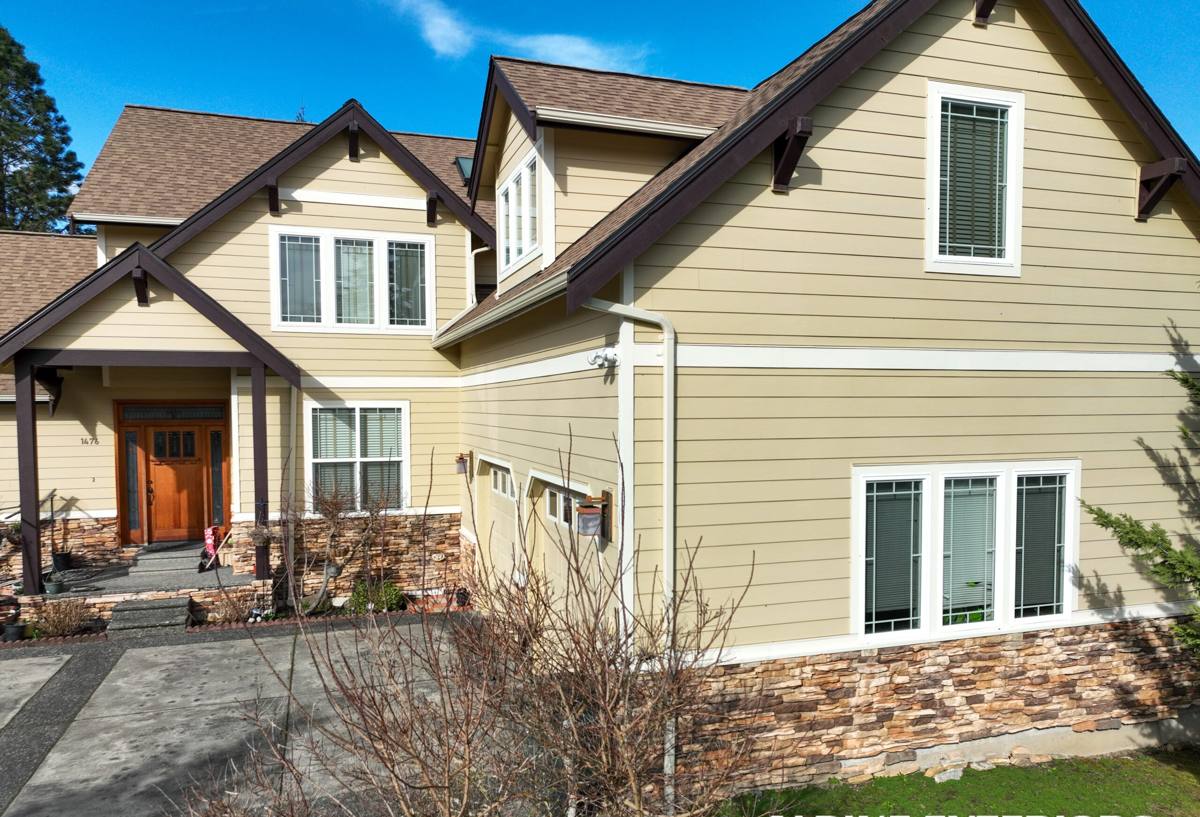
What Rosemary District Homes Are Up Against
Hurricane and Tropical Storm Wind Loads
Sarasota County's building code sets minimum wind-load and impact requirements based on location and exposure, and homes in and around Rosemary District generally fall into zones where windows need to resist significant pressure and windborne debris. Standard residential glass isn't rated for this. When a window fails during a storm — either the glass breaks or the frame pulls away from the opening — the home loses its pressure envelope, and that's when roofs and interior finishes take the real damage.
Year-Round UV Exposure
Florida sun isn't seasonal. Unprotected glass lets in UV that fades flooring, furniture, and window treatments, and it drives up cooling costs by turning ordinary windows into heat collectors. Over years, standard glazing and older frame seals also degrade faster under constant UV load than they would in a milder climate.
Wind-Driven Rain
It's not just wind and it's not just rain — it's rain forced sideways and upward under pressure during storms and even strong summer squalls. A window that seals fine in calm weather can still let water intrude when rain is being driven horizontally into the frame. This is one of the most common ways older windows fail without anyone noticing until there's water damage inside a wall.
Salt Air Corrosion
Rosemary District's proximity to the bay means salt air is a constant, low-level presence even away from direct waterfront. Salt accelerates corrosion on aluminum frames, hardware, screws, and hinges. Left unaddressed, this shows up as pitting, stiff or seized hardware, and eventually frame failure well before the glass itself would have needed replacing.
The Neighborhood's Building Stock
Rosemary District has a genuine mix of older homes with original wood or early-generation aluminum framing, and newer construction — townhomes, condos, and infill single-family homes — built to more current code. That split changes the job in a few practical ways:
- Older homes often have out-of-square or settled openings, original trim worth preserving, and framing that may need repair or reinforcement before a new window goes in.
- Newer construction typically has square, code-compliant openings, which simplifies installation but doesn't mean the original builder-grade windows were upgraded past the code minimum.
- Renovated properties can have a mix of both — original openings with modern interior finishes — which requires extra care not to damage recent work during removal and installation.
We evaluate each opening individually rather than assuming every window on a project needs identical treatment. On older homes especially, opening prep is often where a job goes right or wrong — not the window product itself.
What a Correct Custom Window Job Involves
"Custom" doesn't just mean a non-standard size. It means the window is specified and installed to match the actual opening, the actual wind exposure of that side of the house, and the actual condition of the surrounding structure. A correct job includes:
- Accurate measurement of each opening — not assuming uniformity across the house, especially on older construction.
- Structural inspection of the rough opening — checking for rot, settling, or damage before installing anything new against it.
- Product selection matched to wind zone and exposure — the correct design pressure rating for that specific elevation of the home, not a generic rating applied to the whole house.
- Proper flashing and weatherproofing — this is what actually stops wind-driven rain, more than the window itself.
- Correct fastening per the manufacturer's tested installation instructions — this is what the wind rating depends on; a code-rated window installed incorrectly is not a code-rated installation.
- Sealant and finish work that holds up to UV and salt air rather than cracking or yellowing within a couple of years.
Skipping or rushing any one of these steps is how a homeowner ends up with a window that's rated correctly on paper but performs poorly in an actual storm.
Impact-Rated vs. Standard Windows
One of the first decisions on any Rosemary District project is whether to go with impact-rated glass or standard glass paired with separate protection. Both are legitimate approaches depending on the home and budget — here's how they actually compare:
| Factor | Impact-Rated Windows | Standard Windows + Shutters/Panels |
|---|---|---|
| Storm protection | Built into the window; always in place | Only effective if shutters are deployed before the storm |
| Daily UV/noise reduction | Laminated glass cuts UV and sound year-round | No added benefit outside storm events |
| Upfront cost | Higher per opening | Lower window cost, but adds shutter/panel cost |
| Insurance impact | Often qualifies for windstorm mitigation credits | Credits vary by protection type and deployment |
| Maintenance | Frame and glass only | Shutters/panels need separate upkeep and storage |
| Aesthetics | No exterior hardware change to home's look | Shutters visible or need installation before each storm |
For homes in Rosemary District, impact-rated windows tend to make the most sense when the home is being fully re-fenestrated anyway, when the homeowner wants year-round UV and noise benefits, or when there's limited time or ability to deploy shutters before a storm. Standard windows with a solid shutter or panel system can still be a sound, code-compliant choice for homeowners prioritizing lower upfront cost, as long as the protection system is properly rated and actually used every time.
Frame Material Options and Cost Factors
Frame material affects durability against salt air, maintenance needs, and cost. None of these is universally "best" — the right choice depends on the home's style, budget, and how exposed it is to salt air and direct sun.
| Frame Material | Salt Air Durability | Maintenance | General Cost Position |
|---|---|---|---|
| Aluminum | Good if properly finished; can corrode if coating is compromised | Low; occasional hardware check | Moderate |
| Vinyl | Very good; won't corrode | Low; periodic cleaning | Lower to moderate |
| Fiberglass | Excellent; highly stable in heat and salt exposure | Low | Higher |
| Wood/wood-clad | Requires protection from moisture and salt | Higher; periodic refinishing | Higher |
On original bungalow-style homes where preserving a historic look matters, wood-clad or wood-look vinyl options can maintain the architectural character without the maintenance burden of true wood exposed directly to Gulf Coast salt air. We'll walk through the trade-offs for your specific home rather than defaulting to one material for every job.
Our Process for a Rosemary District Window Project
Every project follows the same core steps, adjusted for the specifics of your home:
- On-site assessment. We look at every opening, note structural condition, and identify anything — rot, settling, prior water intrusion — that needs to be addressed before new windows go in.
- Product recommendation. Based on the home's exposure, age, and your priorities (budget, appearance, storm protection level), we walk through realistic options rather than pushing one product line.
- Permitting. Window replacement in Sarasota County generally requires a permit, and impact-rated products need to meet current Florida Building Code wind-load requirements for the site. We handle the permit process so the job is inspected and documented correctly.
- Opening prep. Any structural repair happens before installation, not around it.
- Installation. Windows are set, fastened, and flashed per manufacturer specifications — this is what preserves the product's tested wind and water rating.
- Sealing and finish. Exterior and interior sealant work is completed to a standard that holds up under UV and salt exposure, not just looks clean on install day.
- Final walkthrough and inspection. We confirm operation, seal quality, and code compliance before considering the job done.
Maintaining Windows in a Coastal Climate
Even a correctly installed, high-quality window needs some upkeep in this environment. A simple annual routine goes a long way toward protecting the investment:
- Rinse frames and hardware periodically to remove salt residue, especially after storms
- Check and lubricate moving hardware (locks, hinges, rollers) to prevent salt-related stiffness or corrosion
- Inspect exterior sealant and caulking annually for cracking or gaps, particularly after intense UV seasons
- Look for signs of water staining on interior sills or nearby drywall after heavy wind-driven rain events
- Keep weep holes on the exterior frame clear so water can drain as designed
- Have shutters or storm panels inspected before hurricane season if you're using that protection method
Homeowners who stay ahead of small maintenance items typically avoid the bigger, more expensive repairs that come from months or years of unnoticed water or salt intrusion.
Why Local Installation Experience Matters
Custom window work in Rosemary District isn't the same job as installation in an inland neighborhood or a different part of the state. It requires familiarity with the county's permitting and wind-load requirements, comfort working with the neighborhood's mix of older and newer construction, and an honest understanding of how quickly salt air and UV can undo a mediocre installation. A crew that regularly works this area knows what tends to go wrong on these openings, what inspectors are looking for, and how to sequence a job so it holds up — not just on install day, but through the next several storm seasons.
We won't recommend the most expensive option if it isn't the right fit for your home, and we won't cut corners on flashing, fastening, or sealing just to move faster. Those details are exactly what determines whether a window performs the way its rating says it should when a real storm hits.
If you're planning a window project in Rosemary District — whether it's a full-house replacement, a handful of openings, or a single custom-sized window that's been a problem for years — we're happy to take a look and give you a straightforward, no-pressure estimate. Fill out the form below and we'll get in touch to schedule a time that works for you.