 Sarasota Roofing
 Composite Decking Built for How Rosemary District Actually Lives Outdoors
Rosemary District sits close enough to downtown Sarasota that outdoor space matters — a lot of the homes here are on smaller lots where a deck or elevated outdoor living area does double duty as yard, patio, and entertaining space. The neighborhood has also seen a steady wave of new construction and renovated homes over the past several years, which means a lot of decking decisions are being made right now, by homeowners comparing wood, composite, and PVC for the first time. Composite decking has become the default recommendation for most of these projects, not because it's trendy, but because it's genuinely better suited to what Sarasota County throws at an outdoor structure year-round.
This page is specifically about composite decking installed on homes in and around Rosemary District. We're not going to rehash generic decking advice — we're going to talk about what actually matters for a deck built a few miles from Sarasota Bay, exposed to Gulf Coast sun, salt-laden air, and the kind of storms that roll through every hurricane season.
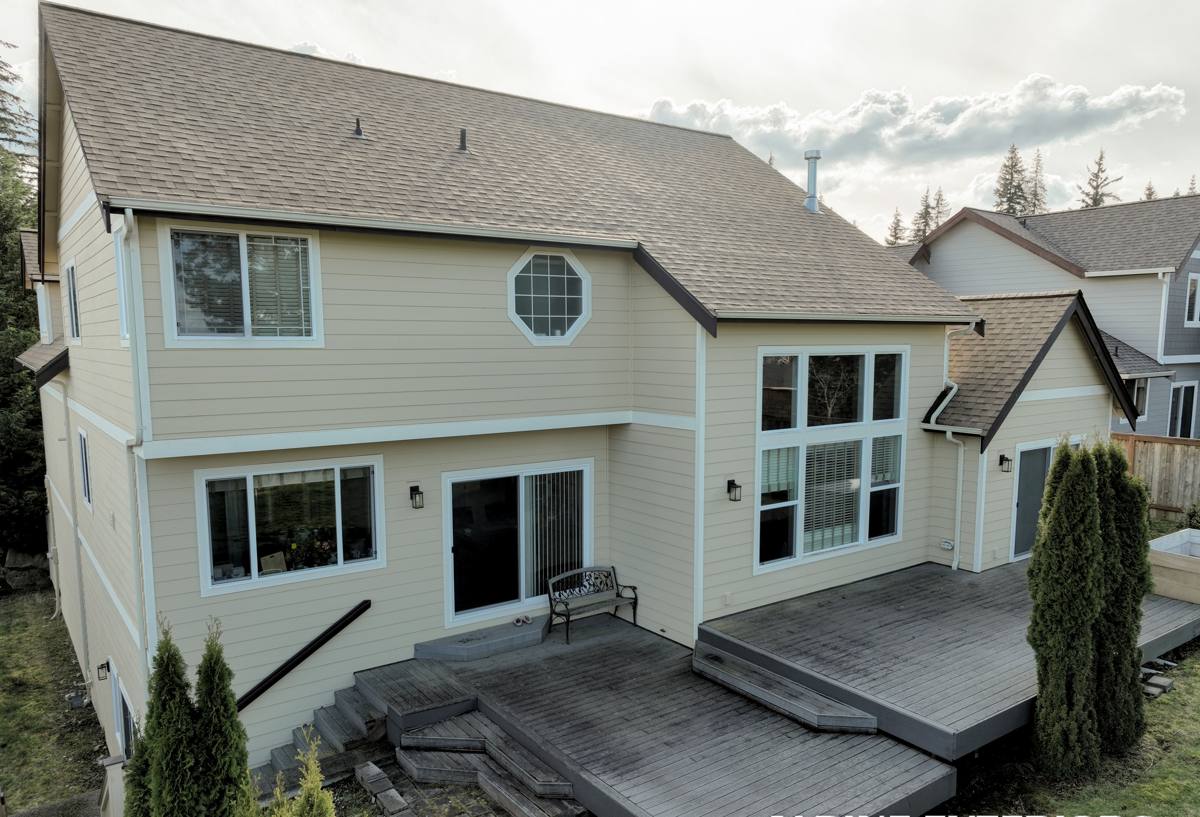
What Sarasota's Climate Actually Does to a Deck
Every material used outdoors in this part of Florida is fighting the same four things at once, and a deck takes all of them directly underfoot:
- Intense, year-round UV — Sarasota doesn't get a real off-season for sun exposure, so any material with a colorant or coating gets tested constantly, not just in July.
- Salt air — proximity to the coast accelerates corrosion on any exposed metal fasteners, brackets, or hardware, even well inland of the water.
- Wind-driven rain — Sarasota's storms rarely fall straight down; wind pushes rain sideways and up under boards and into ledger connections, which is where most hidden rot starts.
- Hurricane-force wind loads — a deck isn't just a surface, it's a structure that has to stay fastened to the house and to the ground through real wind events, not just look good on a calm day.
None of this is unique to Rosemary District specifically, but it's worth saying plainly: a deck built to a generic national standard, with generic hardware and no attention to how it drains and fastens, will show problems here faster than it would in a milder climate. That's the whole reason material and installation choices matter more in Sarasota County than in most of the country.
Why Composite Holds Up Better Here Than the Alternatives
Composite decking is made from a blend of wood fiber and recycled plastic, and on most modern boards it's wrapped in a protective cap layer. That combination directly addresses the problems above: it doesn't absorb water the way solid wood does, it doesn't need annual staining to keep UV from graying and cracking it, and it doesn't provide the same food source for the rot and insect activity that Florida's humidity encourages in untreated or under-maintained wood.
That doesn't mean composite is maintenance-free or automatically the right answer in every situation — it's a material with its own trade-offs, and we'll walk through those honestly.
Composite vs. Other Decking Materials
| Material | UV / Fade Resistance | Moisture Behavior | Maintenance | Typical Lifespan Here |
|---|---|---|---|---|
| Pressure-treated wood | Fades and grays without regular sealing | Absorbs water; prone to cupping and splintering in humidity | Annual sealing/staining recommended | 8–15 years with upkeep |
| Natural hardwood (e.g. ipe) | Good, but grays without oiling | Very dense, low absorption when maintained | Periodic oiling; higher material cost | 20+ years with consistent care |
| Capped composite | Strong resistance; cap layer blocks direct UV on the board face | Doesn't absorb/swell like wood; drains rather than soaks | Occasional washing, no sealing/staining | 25–30 year manufacturer warranties common |
| Uncapped composite (older style) | Weaker; can fade and mold without a protective layer | More moisture-sensitive than capped boards | More cleaning to prevent mold growth | Shorter effective service life |
We install capped composite almost exclusively for this reason — the cap layer is what actually earns the low-maintenance reputation composite decking has. Uncapped or budget composite boards can still trap moisture and grow mildew in a humid coastal climate, which defeats the point of choosing composite in the first place.
What a Correct Composite Deck Installation Actually Involves
The board itself is only part of the job. Most composite deck failures we're called to inspect or repair trace back to the substructure or the fastening, not the decking material. A correct installation for this climate includes:
The Substructure
Joists and framing need proper spacing for the specific composite product being used — composite has different span ratings than wood, and using wood-spec spacing under composite boards can lead to sagging over time. In a wind-driven-rain climate, we also pay close attention to joist tape or flashing on the tops of joists, which keeps water from wicking into the framing lumber underneath the deck boards.
The Ledger Connection
Where the deck attaches to the house is the single most important structural connection on the whole project, and it's also the most common place for hidden water intrusion. Correct flashing here — not just fasteners — is what keeps wind-driven rain from working its way behind the ledger board and into the house's rim joist.
Fasteners and Hardware
Salt air corrodes standard hardware faster than most homeowners expect. Stainless steel or coated, corrosion-rated fasteners and structural connectors matter more here than in an inland, low-humidity climate — this is not a place to save money on hardware.
Ventilation Underneath
A deck built low to the ground or over poorly ventilated space traps humidity underneath it, which speeds up degradation of both the substructure and the underside of the boards. Proper clearance and airflow planning at the design stage prevents a lot of long-term issues.
Our Process, Start to Finish
- On-site assessment — we look at the existing structure (if there is one), grade and drainage around the area, sun exposure, and how the space will actually be used.
- Material selection — we walk through board options and color lines with you, matched to your budget and how the deck will be used, not a one-size pitch.
- Structural design — framing, footing, and ledger plan sized to local wind load requirements, not a generic national minimum.
- Permitting — decks in Sarasota County typically require a permit and inspection; we handle that process as part of the job.
- Build — substructure first, with flashing and fastener details done correctly before a single composite board goes down.
- Final walkthrough — we go over the finished deck with you, including what maintenance (or lack of it) to expect going forward.
What Composite Decking Actually Needs From You
Low-maintenance isn't no-maintenance. A composite deck in Sarasota's climate still needs some basic upkeep:
- Periodic washing to remove pollen, dirt, and salt residue, especially after storm season
- Keeping gaps between boards clear of debris so water continues to drain properly
- Checking railings, stairs, and hardware annually for looseness — wind and thermal expansion work on connections over time
- Trimming back nearby vegetation so boards get airflow and aren't sitting in constant shade and moisture
None of this is a large time commitment, but skipping it entirely is how even a good composite deck ends up looking worse than it should a few years in.
Why Local Experience With Rosemary District Homes Matters
A lot of what separates a deck that holds up for 25 years from one that needs early repairs isn't the brand of board — it's whether the crew installing it understands the specific conditions of the site: how close it is to the coast, what the drainage looks like on that particular lot, what the local wind exposure is, and what Sarasota County's permitting and inspection process actually requires. A crew that primarily works inland, drier climates will make different — and sometimes wrong — assumptions about fastener spec, flashing detail, and ventilation than a crew that works this coastal stretch of Florida regularly.
We work throughout Sarasota and Sarasota County, including Rosemary District, and we build every deck assuming it has to survive hurricane season, not just look good until the first one hits.
Questions Worth Asking Before You Hire Anyone for a Deck
- Are you licensed and insured to pull permits in Sarasota County?
- What fastener and hardware grade do you use, and is it rated for coastal/salt-air exposure?
- How do you flash the ledger board connection to the house?
- What's the manufacturer's warranty on the specific composite product you're proposing, and does your installation qualify for it?
- Can you explain how the deck's framing is sized for wind load, not just weight load?
If you're weighing composite decking for a home in Rosemary District, we're happy to walk the site, talk through material and design options honestly, and give you a straightforward estimate — no pressure, no upsell. The form below is the easiest way to get that started.