 Sarasota Roofing
 Longboat Key Roofs Work Harder Than Almost Any Roof Inland
Longboat Key sits out on the barrier island chain west of Sarasota, with open Gulf water on one side and the bay on the other. That position is exactly what makes the island beautiful, and exactly what makes its roofs age differently than a roof ten or fifteen miles inland. There's no tree line, no mainland buffer, and no break from the wind coming straight off the water. A roof out here takes the full force of everything the Gulf Coast throws at it, without anything standing in the way.
That combination — hurricane-force wind events, constant salt-laden air, intense year-round UV, and wind-driven rain that gets pushed sideways under normal flashing details — means small roof problems on Longboat Key turn into active leaks faster than they would elsewhere in the Sarasota area. A repair that would hold for a couple of seasons on a mainland roof might only buy a few months out here if it's not done to account for the exposure.
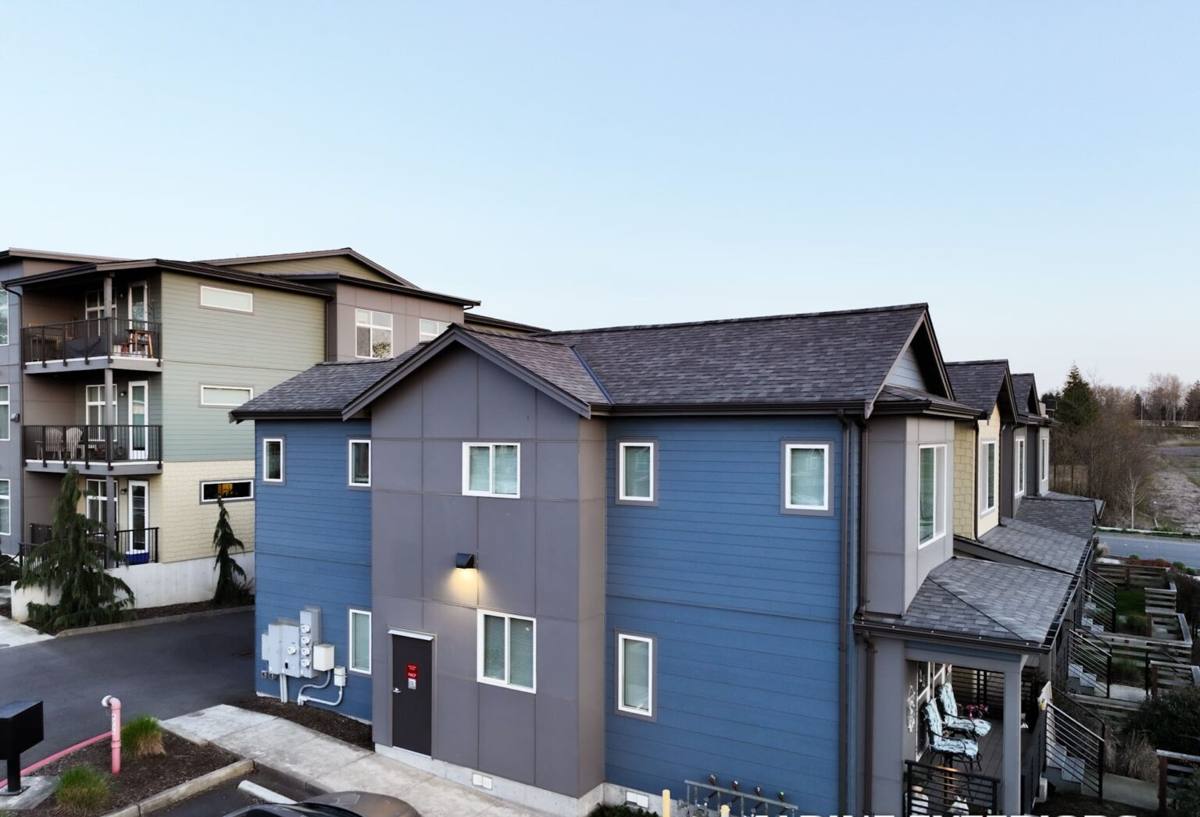
Common Repair Issues We See on the Island
Tile Roofs
Tile is common on Longboat Key's single-family homes, and it's a good performer in this climate when it's installed and maintained correctly. Most tile repair calls we get aren't caused by broken tiles — they're caused by failed underlayment underneath tiles that still look fine on the surface. Salt air and UV break down underlayment from below over the years, so the leak shows up long after the original installation, and long before the tile itself looks like it needs attention.
Metal Roofs
Metal roofing holds up well against wind uplift when it's properly fastened, but salt air accelerates corrosion at fastener heads, panel seams, and cut edges faster here than almost anywhere else in the region. Most metal roof repairs on the island are about catching and correcting corrosion points, resealing seams, and replacing fasteners before a small rust spot becomes a hole.
Flat and Low-Slope Roofs on Condos
A large share of Longboat Key's housing stock is condominiums and multi-family buildings with flat or low-slope roofing systems. These roofs depend on membrane integrity, proper drainage, and flashing at every penetration — vents, AC curbs, parapet walls. Ponding water, membrane seams that have opened up in the heat, and parapet flashing failures are the most common repair triggers we see on these buildings.
What a Correct Repair Actually Involves
A roof repair on Longboat Key isn't just patching the spot where water is coming through the ceiling. Water travels — it can enter the roof system several feet from where it shows up inside, especially on tile and low-slope systems. Doing the job right starts with finding the actual entry point, not just the visible symptom.
- Tracing the leak path back to its source, not just sealing where the stain appears
- Checking underlayment condition around the repair area, not just the surface material
- Matching replacement materials — tile profile and color, metal gauge and finish, or membrane type — so the repair doesn't stand out or create a mismatched seam
- Using fasteners and sealants rated for coastal, high-salinity exposure, not standard-grade hardware
- Re-checking flashing details at any penetration near the repair, since flashing failure is the most common repeat-leak cause
- Confirming the repair meets current wind-resistance requirements for the area, not just the standard the original roof was built to
Skipping any of these steps is how a homeowner ends up paying for the same repair twice. A patch that only addresses the visible symptom will often leak again within a year or two, usually during the next big wind-driven rain event.
Repair or Replace — How We Help You Decide
| Factor | Leans Toward Repair | Leans Toward Replacement |
|---|---|---|
| Age of roof | Well within expected service life | At or past expected service life for its material |
| Extent of damage | Isolated to one area or penetration | Multiple unrelated leak points or widespread wear |
| Underlayment condition | Sound where inspected | Deteriorated broadly, not just at the leak |
| Storm history | No prior major wind or impact damage | Documented storm damage affecting large sections |
| Insurance/permit status | No open claim or code-upgrade trigger | Claim in process or repair would trigger full code compliance anyway |
We'll always tell you honestly which side of that table your roof falls on. There's no benefit to us in replacing a roof that only needs a targeted repair, and no benefit to you in patching a roof that's going to keep generating service calls.
Our Repair Process
- Inspection. We look at the whole roof, not just the reported leak area, since barrier island roofs commonly have more than one weak point at once.
- Diagnosis and photos. We identify the actual source of water entry and show you what we found before any work starts.
- Written scope and estimate. You get a clear explanation of what's being repaired, with what materials, and why — no vague line items.
- Repair. We match materials to what's already on your roof wherever possible, and use fasteners, flashing, and sealants suited to direct Gulf exposure.
- Final check. We verify the repair area and surrounding flashing before we consider the job done, not just the original leak point.
Permitting, HOAs, and Condo Associations
Longboat Key is its own incorporated town, and roofing work here typically runs through the Town's building department rather than Sarasota County or Manatee County directly, depending on where your property falls on the island. Getting the permitting process right the first time matters — a repair done without the correct permit can create problems later at resale or with insurance.
A large share of Longboat Key properties are also part of a condo association or HOA, which often means an approval step before work can start, specific contractor requirements, and coordination with a property manager or board. We're used to working within that process — getting the right documentation together, communicating with association management, and scheduling around building access rules — so it doesn't become a delay on top of the repair itself.
Why a Crew That Already Works This Island Matters
Longboat Key isn't like a typical Sarasota neighborhood job. Access is limited to a couple of bridges, many buildings have guard gates or visitor logs, condo work often needs to be scheduled around quiet hours or elevator availability, and HOA rules can dictate things like where a dumpster or ladder truck can be staged. A crew that hasn't worked the island before ends up burning your time — and often your money — figuring that out for the first time on your roof.
We've worked through these logistics before, which means less back-and-forth, fewer surprise delays, and a repair that gets scheduled and completed on the timeline we quote. That local familiarity also extends to knowing which repair approaches actually hold up against direct Gulf exposure, versus a generic fix that might be fine a few miles inland but won't last on an unshielded barrier island roof.
Roofing Materials Common on Longboat Key
| Material | Where It's Common | Typical Repair Focus |
|---|---|---|
| Concrete or clay tile | Single-family homes | Underlayment failure beneath intact tile |
| Standing seam or panel metal | Homes and some low-rise buildings | Fastener corrosion, seam and flashing resealing |
| Low-slope membrane (TPO, modified bitumen) | Condos and multi-family buildings | Seam separation, ponding, parapet flashing |
Signs You Need a Roof Repair Inspection Now
- A ceiling stain that appears or grows after a heavy rain, even a brief afternoon storm
- Visible rust streaking below metal fasteners or panel seams
- Cracked, slipped, or missing tiles, or tiles that sound hollow when tapped
- Standing water on a flat or low-slope roof more than a day after rain
- Soft spots, bubbling, or separated seams on a membrane roof
- Musty odor in an upper floor or attic space with no obvious source
- Granule buildup in gutters or on the ground below the roofline
- Any leak that shows up during or right after high wind, even without a named storm
If any of these sound familiar, it's worth having someone look at it before the next weather event turns a small repair into water damage inside the home.
If you own a home or condo on Longboat Key and want an honest read on what your roof actually needs, we're happy to take a look. The estimate is free, there's no pressure to sign anything on the spot, and you'll get a plain explanation of what we found and what it would take to fix it — use the form below to get started.