 Sarasota Roofing
 Roof Repair Built for Bee Ridge Homes
Bee Ridge sits in one of Sarasota's older, well-established residential corridors, with a mix of roof ages and roof types that reflects decades of steady growth in this part of Sarasota County. Some homes still carry original roofing from their first build, others have been re-roofed once or twice, and a growing number have newer architectural shingle or tile systems installed after recent storm seasons. That mix matters. A repair crew working in Bee Ridge needs to recognize the difference between a 1980s three-tab shingle roof nearing the end of its service life and a ten-year-old architectural roof with an isolated wind or flashing problem — because the right fix, and the right recommendation, is different for each.
We work in Bee Ridge regularly, which means we already have a feel for the roof stock in the neighborhood before we ever climb a ladder. That local familiarity shortens the diagnostic process and helps us give homeowners a straight answer: repair, or start planning for replacement.
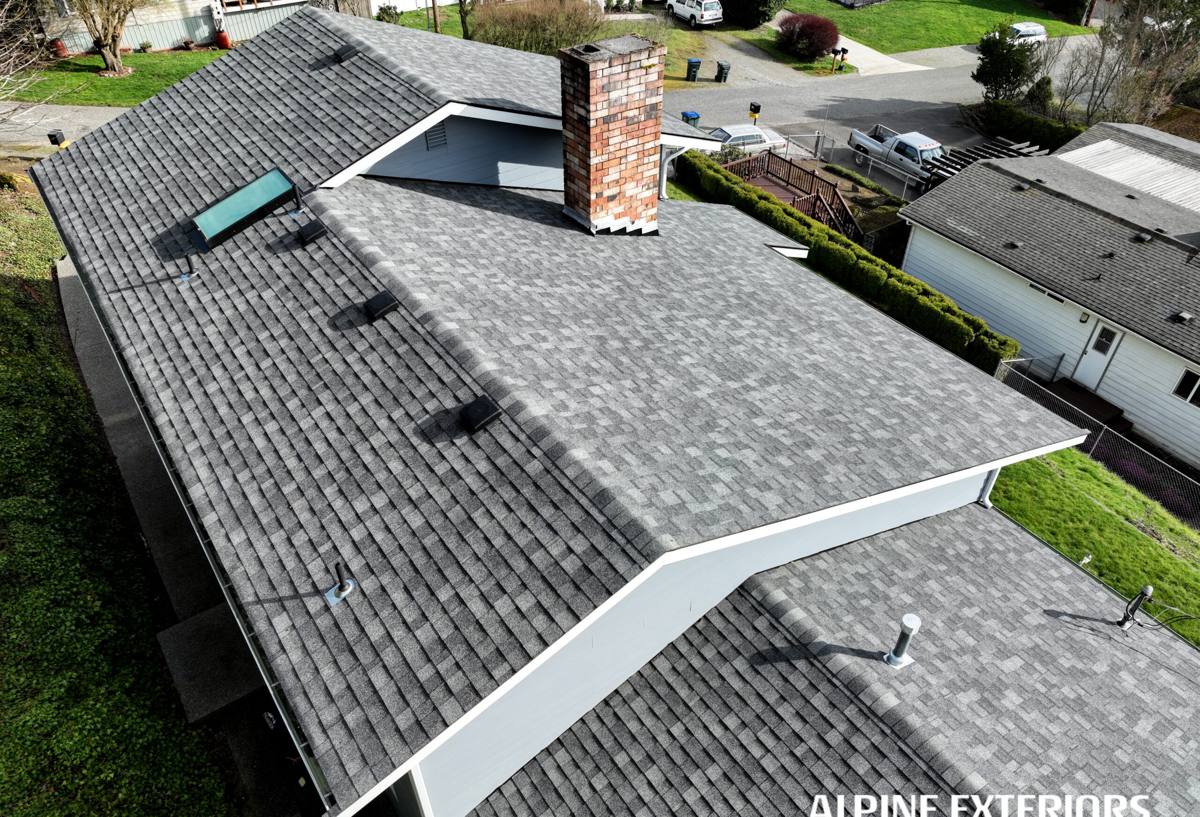
What Sarasota's Climate Does to a Bee Ridge Roof
Roofing in this part of Florida takes abuse from several directions at once, and Bee Ridge isn't sheltered from any of them just because it sits a little inland from the coast.
- Hurricane-force wind: Gusts during tropical systems get under shingle tabs, tile edges, and loose flashing, working them free even when the roof looks intact from the ground.
- Intense, near-constant UV: Florida sun breaks down asphalt shingle oils and sealants faster than most manufacturer warranties assume, leading to premature granule loss and brittle, cracking shingles.
- Wind-driven rain: Sarasota's storms rarely fall straight down. Rain gets pushed sideways under ridge caps, around vent boots, and behind step flashing — areas a repair has to specifically address, not just patch over.
- Salt air: Even away from the immediate coastline, salt-laden air moving through the Sarasota area accelerates corrosion on nails, flashing, and metal roof components over time.
Individually, none of these is unusual for Florida. Together, over enough years, they're why roofs in Bee Ridge tend to develop specific, recognizable failure points — and why a repair crew that already understands the regional pattern can move faster and more accurately than one seeing it for the first time.
The Repair Problems We See Most Often in This Area
Wind-Lifted and Cracked Shingles
After a windy season, the most common call we get is for shingles that have lifted, curled, or cracked along the tab edges. Sometimes it's a handful of shingles near a corner or ridge — the highest-stress zones on any roof. Left alone, lifted shingles let wind-driven rain track underneath and reach the underlayment or decking.
Flashing and Sealant Failure
Flashing around chimneys, skylights, wall intersections, and roof-to-wall transitions relies on both metal and sealant to stay watertight. UV exposure dries out sealant faster here than in milder climates, and once it cracks, water finds a path in — often showing up as a ceiling stain well away from the actual leak point.
Vent Boot and Penetration Leaks
The rubber gaskets on pipe boots and vent penetrations are one of the shortest-lived components on a Florida roof. Constant UV breaks them down years before the shingles around them show comparable wear, and a cracked boot is a very common, very fixable source of a leak that seems mysterious from inside the house.
Granule Loss and Underlying Wear
Heavy granule loss in gutters or downspouts is a sign the shingle's UV-protective layer is wearing thin. On its own it's not always an emergency, but combined with age and storm exposure it's a signal that a "repair" conversation should also include an honest look at how much life the surrounding roof has left.
What a Correct Repair Actually Involves
A roof repair done right isn't just sealing the spot where water is showing up inside the house — that's often several feet from the actual entry point, since water travels along the deck and rafters before it drips. A correct repair process looks like this:
- Full roof inspection, not just the reported spot. We check the whole roof plane, not only the area under the ceiling stain, because wind and water damage often shows up in more than one place.
- Trace the actual water path. Interior staining location and exterior entry point are frequently not the same spot. We identify where water is actually getting in before we start replacing materials.
- Assess the decking. If water has been getting in for a while, the plywood or OSB decking underneath may be soft or delaminated. Patching over compromised decking doesn't hold.
- Match materials correctly. Shingle color, profile, and manufacturer line matter for both appearance and how the repair seals against the surrounding roof.
- Re-seal and re-flash properly. Flashing gets replaced, not just re-caulked, wherever it's compromised — caulk alone over old, brittle flashing is a short-term fix that fails again.
- Verify the fix. We check the repair area again before we consider the job finished, not just when the visible patch looks done.
Repair vs. Replacement: An Honest Look
Not every roof problem in Bee Ridge needs a full replacement, and not every roof problem should be patched indefinitely either. Here's how we think through that decision with homeowners:
| Factor | Leans Toward Repair | Leans Toward Replacement |
|---|---|---|
| Roof age | Under roughly 12-15 years | Approaching or past manufacturer's expected lifespan |
| Damage extent | Isolated to one section or feature (vent, flashing, one slope) | Widespread across multiple roof planes |
| Decking condition | Solid, dry decking under the damaged area | Soft, spongy, or visibly rotted decking found |
| Granule loss | Minimal, localized | Heavy and roof-wide |
| Storm history | First repair after a specific wind event | Third or fourth repair call in a few years |
| Insurance situation | Repair covers the actual damage scope | Adjuster or contractor documentation supports full replacement |
We'll tell you plainly which side of that line your roof falls on. A repair that's likely to fail again within a year or two isn't a good use of your money, and we won't sell it to you as one.
Why Local Experience in Bee Ridge Matters
A repair crew that works Sarasota neighborhoods regularly builds a working knowledge of the area's roof ages, common builders, and typical construction details — knowledge that speeds up diagnosis and reduces guesswork. We're also familiar with the permitting and inspection expectations for roof work in Sarasota County, which keeps a repair job from stalling on paperwork.
Just as importantly, local crews are accountable in a way that a traveling storm-chasing outfit isn't. If a repair doesn't hold, we're still here, still working in the same neighborhoods, and still reachable. That matters more than it sounds like it should, especially in the months after a named storm when out-of-area crews often show up temporarily and then move on.
Our Repair Process, Step by Step
- Contact us with a description of the issue — a stain, missing shingles, a known leak location, or storm damage you've noticed.
- On-site inspection. We walk the roof and the attic where accessible, and we photograph what we find so you can see it too.
- Written scope and estimate. You get a clear explanation of what's wrong, what we recommend, and why — before any work starts.
- Repair work. Most single-issue repairs are completed in a day, weather permitting.
- Final walkthrough. We confirm the fix and answer any questions about maintenance going forward.
Simple Maintenance That Extends a Repair's Life
A few habits go a long way toward protecting a roof repair — and the rest of the roof around it — from the wear Sarasota's climate causes:
- Have the roof visually checked after any named storm or unusually high wind event, even if nothing looks obviously wrong from the ground.
- Keep gutters and downspouts clear so water doesn't back up under the roof edge during heavy rain.
- Trim overhanging branches that can abrade shingles or drop debris onto vulnerable areas like valleys and vent boots.
- Address small leaks promptly — a small, cheap repair now is almost always less costly than the decking and interior damage that comes from ignoring it for a season or two.
- Keep a simple record of past repairs and their locations, so any future work can be compared against what's already been done.
If you're dealing with a leak, storm damage, or a roof issue in Bee Ridge, we're happy to take a look and give you a straightforward assessment — no pressure, no upsell, just an honest read on what your roof needs. Reach out for a free estimate using the form below.