 Sarasota Roofing
 Palmer Ranch Siding Takes a Beating — Here's Why
Palmer Ranch sits close enough to the Gulf that salt-laden air is a constant factor, even on homes that aren't waterfront. Combine that with Sarasota County's intense, near year-round UV exposure, seasonal wind-driven rain, and the real possibility of hurricane-force gusts, and you have a climate that is genuinely hard on exterior building materials. Siding here isn't just cosmetic — it's the layer standing between your home's structure and one of the more punishing coastal climates in the country.
Homes in this part of Sarasota County see a specific combination of stresses: UV breaks down pigments and surface coatings over time, humidity and wind-driven rain push moisture into any gap or failed joint, and salt air accelerates corrosion of fasteners and metal components. Add tropical-storm and hurricane wind loads, and siding that isn't rated, installed, and fastened correctly for this exposure will fail years before it should.
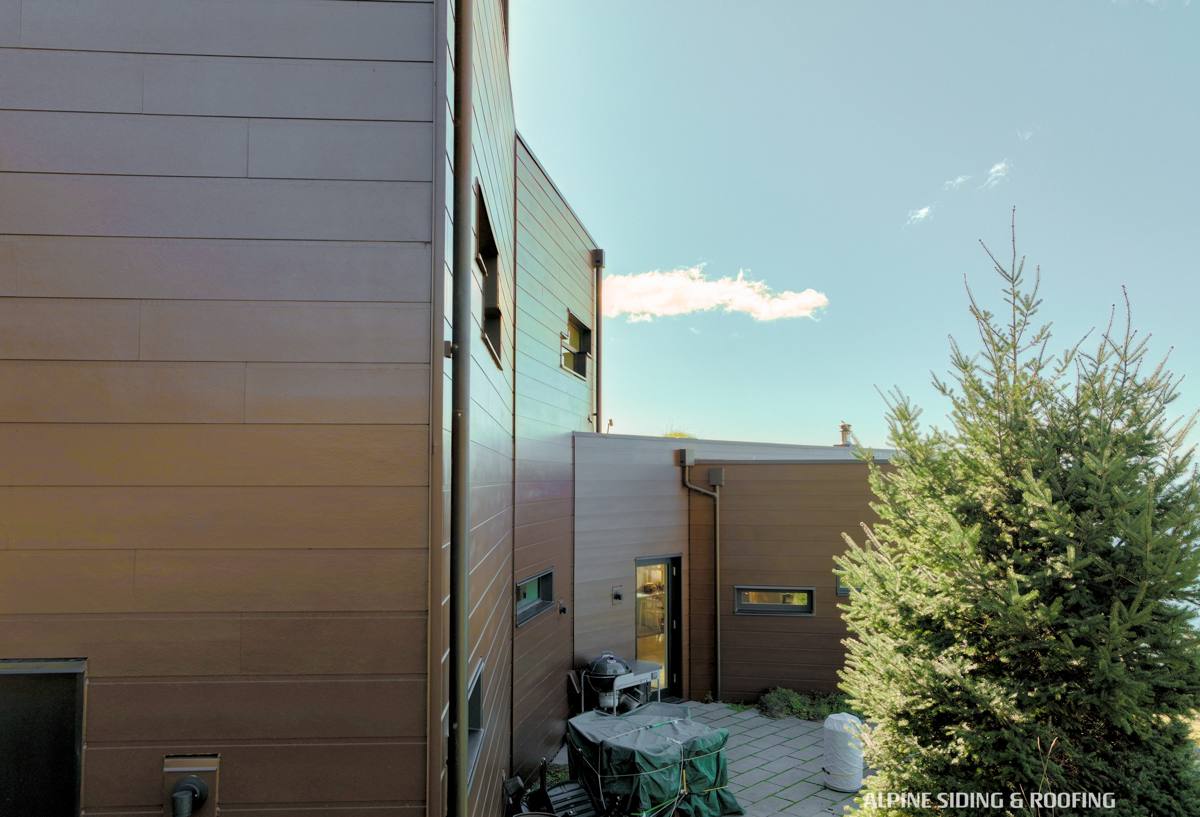
Signs a Palmer Ranch Home Needs Siding Replacement, Not Another Repair
Not every siding problem calls for a full tear-off. But in this climate, small issues tend to compound quickly, and patch repairs on aging or failing siding often just delay a bigger job. Here's what tells us a full replacement is the right call rather than a spot fix:
- Soft, spongy, or crumbling siding when pressed — usually a sign moisture has already reached the substrate
- Visible warping, buckling, or panels pulling away from the wall line
- Paint that won't hold, or repeated peeling/blistering within a couple of years of repainting
- Cracking or splitting concentrated on sun-exposed elevations (south and west walls typically show UV damage first)
- Rust streaking from fasteners, or visible corrosion at panel edges and trim
- Interior signs — musty odors, staining, or soft drywall near exterior walls — that point to moisture getting behind the siding
- Siding that's original to a home 20+ years old, especially wood-based products never designed for this exposure
If you're seeing more than one of these at once, it's usually more cost-effective to replace than to keep chasing repairs on a system that's already compromised.
Why Patch Jobs Often Fail Here
A patched section of siding only performs as well as its weakest seam. In a climate with sustained wind-driven rain, a repair that doesn't fully re-integrate flashing, house wrap, and fastening patterns with the surrounding material tends to become the next failure point — sometimes within a single storm season.
What a Correct Siding Replacement Job Actually Involves
Siding replacement isn't just removing old panels and nailing up new ones. Done correctly, it's a system — and every layer matters in a climate like Sarasota's.
Tear-Off and Substrate Inspection
Once the old siding is removed, the sheathing underneath gets inspected for rot, delamination, or hidden moisture damage — this is often the first time a homeowner can actually see the condition of the wall behind their siding. Any compromised sheathing gets addressed before anything new goes up; installing new siding over damaged substrate just hides the problem.
Weather-Resistive Barrier
A properly lapped, sealed house wrap or weather-resistive barrier is what keeps wind-driven rain from reaching the sheathing even if water gets past the siding itself — which it will, eventually, in this climate. This layer is invisible once the job is finished, but it's one of the most important parts of the whole system.
Flashing and Trim Details
Windows, doors, roof-to-wall transitions, and penetrations (vents, hose bibs, light fixtures) are where water intrusion actually starts. Correct flashing at each of these points, integrated with the house wrap in the right shingle-lap order, is non-negotiable in a wind-driven-rain climate.
Fastening for Wind Resistance
Fastener type, spacing, and embedment all have to match the wind exposure for the site — a home in Palmer Ranch needs a fastening schedule that accounts for real hurricane wind potential, not a generic pattern pulled from a cooler, calmer climate.
Why We Install Only James Hardie Fiber Cement
We made a deliberate decision to install one siding system: James Hardie fiber cement. We don't install vinyl, engineered wood, or other fiber cement alternatives, and that's worth explaining honestly rather than just stating it.
Built for This Exposure
Hardie's HZ product lines are engineered specifically for climate zones like ours — humidity, moisture cycling, and heat are design inputs, not afterthoughts. Fiber cement is also non-combustible, which matters in a state where wildfire risk and insurance underwriting increasingly factor in exterior material.
ColorPlus Factory Finish
Rather than relying on field-applied paint that has to survive Sarasota's UV load from day one, ColorPlus finish is baked on at the factory under controlled conditions, which gives it materially better fade and wear resistance than most job-site paint jobs — a real advantage in a climate that's brutal on pigments.
Dimensional Stability
Fiber cement doesn't expand, contract, warp, or rot the way wood-based products can when they cycle through humidity and heat repeatedly. That stability is what keeps seams, joints, and paint lines intact over the long haul instead of opening up and inviting water in.
A Warranty Backed by the Manufacturer
Hardie's transferable warranty structure gives homeowners real recourse tied to the manufacturer, not just the installer — meaningful if you sell the home before the warranty period is up.
We're not going to pretend every alternative product is without merit — vinyl is inexpensive and low-maintenance in mild climates, and engineered wood siding can look good when new. But we've made siding replacement decisions for enough coastal Florida homes to know which systems hold up here and which ones create callbacks. Fiber cement, installed correctly, is what we're willing to put our name behind.
Siding Material Comparison for a Coastal Sarasota Climate
| Factor | James Hardie Fiber Cement | Vinyl Siding | Engineered/Natural Wood Siding |
|---|---|---|---|
| Wind resistance (properly fastened) | High — engineered for hurricane-prone zones | Moderate — panels can flex, crack, or blow off in high wind | Moderate, highly dependent on installation quality |
| UV / fade resistance | Strong with factory ColorPlus finish | Can chalk and fade over time in intense sun | Requires repainting/staining on a regular cycle |
| Moisture behavior | Non-organic, doesn't rot; sheds water when installed correctly | Doesn't absorb moisture, but seams can trap water behind panels | Vulnerable to moisture absorption and rot if finish fails |
| Salt air / corrosion exposure | Fiber cement itself is unaffected; use corrosion-resistant fasteners | Generally tolerant, but can become brittle over time | Finish and substrate both vulnerable over time |
| Fire resistance | Non-combustible | Combustible | Combustible |
| Typical maintenance | Periodic caulk/paint touch-up only | Low, but limited repair options if damaged | Regular repainting/staining and inspection |
Cost Factors for Palmer Ranch Siding Projects
Every home is different, so we won't quote a number without seeing the property, but these are the factors that most affect the scope and cost of a siding replacement in this area:
- Home size and wall complexity — more corners, gables, and architectural detail mean more cutting, trim work, and labor
- Condition of the existing substrate — sheathing repair or replacement adds cost but isn't optional if damage is found
- Extent of tear-off — full removal versus sections needing more extensive rework
- Siding profile and accessories — lap width, trim boards, soffit and fascia work
- Color and finish selection — factory ColorPlus versus field-applied options
- Access and site conditions — landscaping, fencing, or tight lot lines that affect staging
The most reliable way to control cost isn't cutting corners on materials — it's an accurate initial inspection so there are no surprise change orders once tear-off starts.
Our Process, Step by Step
- On-site assessment of current siding, trim, and any visible moisture or structural concerns
- Written scope covering material, color, trim details, and any substrate repair anticipated
- Careful tear-off with substrate inspection before anything new is installed
- House wrap and flashing installed and sealed at every penetration and transition
- James Hardie panels installed to manufacturer fastening specifications for our wind exposure
- Trim, caulking, and paint touch-up completed to a clean, finished line
- Final walkthrough so you can see the completed work and ask questions before we consider the job done
Why a Crew That Already Works in Palmer Ranch Matters
Siding replacement in this area isn't just a technical exercise — it comes with local realities that a crew unfamiliar with Sarasota County will miss. Local wind-load and building code requirements apply to exterior work here, and permitting expectations can differ from what a crew based elsewhere is used to. A contractor who already works in and around Palmer Ranch understands the practical realities of the neighborhood's home styles and exposure, has already worked through the area's permitting process, and isn't learning the local wind and moisture requirements on your project. That familiarity shows up in fewer surprises, cleaner scheduling, and a finished product that's actually built for where it sits.
Protecting Your Investment After Installation
Correctly installed James Hardie siding is low-maintenance, but "low" isn't "none." A quick seasonal walk-around — checking caulk lines at trim and penetrations, looking for any settling or gaps after storm season, and keeping an eye on paint condition on sun-exposed walls — will catch small issues while they're still small. In a climate that doesn't let up, that little bit of attention is what makes a 30-year siding system actually last 30 years.
If your Palmer Ranch home is showing any of the signs above, or you're simply ready to stop maintaining siding that was never built for this climate, we're happy to take a look. Reach out for a free, no-pressure estimate — use the form below to get started.