 Sarasota Roofing
 What "Deck Replacement" Actually Means on a Sarasota Roof
When homeowners in Palmer Ranch hear "roof deck replacement," some picture an outdoor patio deck. On a roof, the deck is something different: it is the solid layer of plywood or OSB panels nailed across the rafters or trusses that everything else — underlayment, shingles, tile, or metal — is fastened to. It is the structural skin of the roof, and it is the one part most homeowners never see until a reroof or a leak repair opens it up.
Deck replacement is not the same job as a simple reshingle. It means removing and replacing sections — or sometimes all — of that panel layer because it has rotted, delaminated, or can no longer hold a nail or screw the way current wind code requires. Get this part wrong and it does not matter how good the shingles or tile look on top; a roof is only as strong as the deck underneath it.
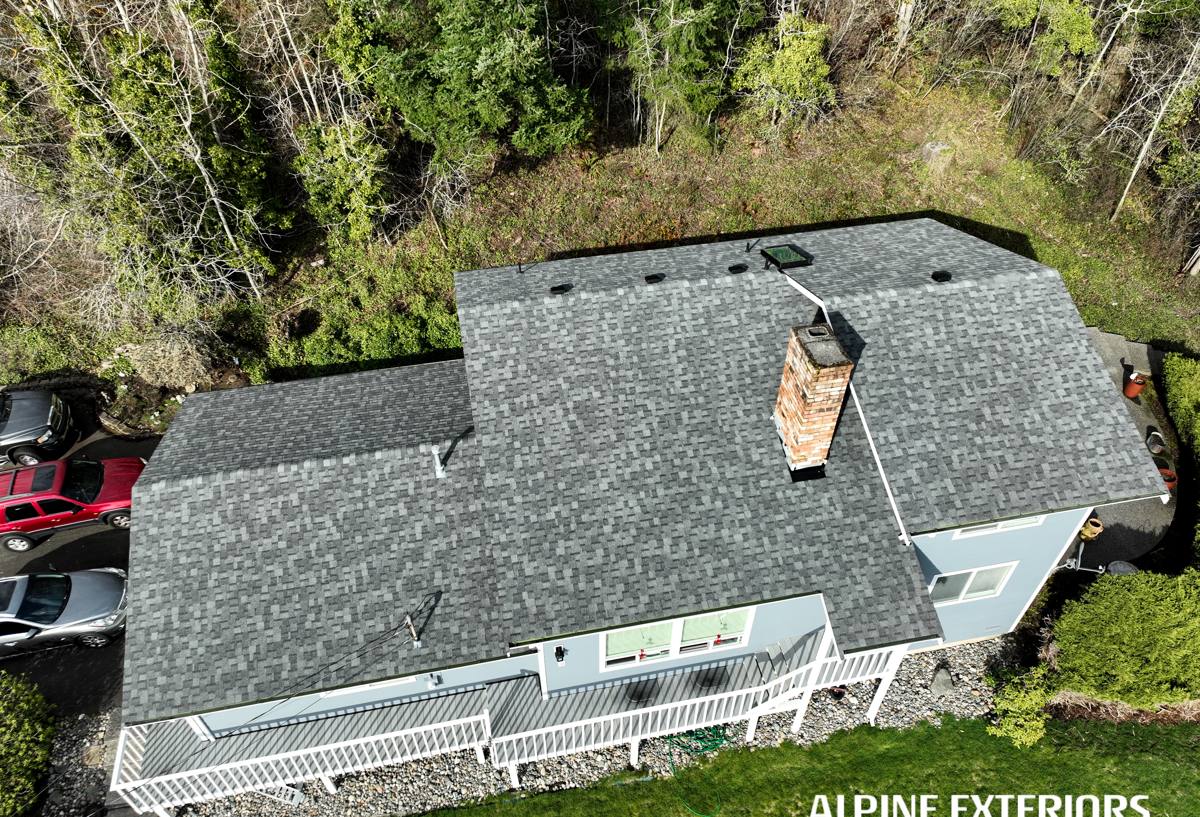
Why Palmer Ranch Roofs Take a Particular Beating
Palmer Ranch sits in Sarasota County close enough to the Gulf that salt-laden air, intense year-round UV, and wind-driven rain are part of ordinary weather here, not occasional events. Add hurricane-force wind gusts in active storm years, and a roof deck in this area works harder than one in most inland parts of the country.
UV and heat
Constant sun breaks down old underlayment adhesives and dries out wood fiber in the deck panels beneath it, especially over sections where attic ventilation is poor and heat builds up under the roof surface for months at a time.
Wind-driven rain
Storms here rarely arrive as simple vertical rain. Wind pushes water sideways and upward under shingle tabs and flashing laps, and once a leak starts, it is the deck — not the shingles — that absorbs and holds that moisture over time.
Salt air
Airborne salt corrodes exposed fasteners faster this close to the coast. Corroded nails lose their holding power in the deck long before the wood itself gives out, which is part of why a routine reshingle sometimes turns into a deck job once the old roof surface is pulled back.
Palmer Ranch is a large, long-established community built out over many years, so roof age and deck condition vary block to block and even house to house — there is no single "typical" roof deck here, which is exactly why an accurate inspection matters more than a guess based on the neighborhood alone.
Signs Your Deck Needs Replacing, Not Just Patching
Most homeowners find out they have a deck problem during a reroof tear-off, but there are signs that can show up sooner:
- Soft, spongy, or bouncy spots underfoot when walking the roof, or visible sagging between rafters
- Water staining, mold, or a musty smell in the attic below the roof plane
- Nails or screws that have backed out or "popped" through the shingles above them
- Daylight visible through the deck from inside the attic
- A roof that has taken a direct hit from a fallen limb or debris during a storm
- Persistent leaks that keep returning to the same area after flashing repairs
Any one of these is worth a look before it turns into a bigger repair. None of them are things to diagnose from the ground — they need a contractor on the roof and, ideally, eyes in the attic as well.
Florida Wind Code and Why Decking Isn't Just "Plywood" Anymore
Florida's building code takes roof deck attachment seriously because the deck is what keeps the roof covering — and in bad cases, the roof structure itself — attached to the house in high wind. Sarasota County enforces nailing patterns, fastener types, and, on many jobs, a secondary water barrier requirement that goes well beyond "a sheet of plywood and some nails."
Fastening pattern
Modern code-compliant decking uses a specified nail or screw spacing at the panel edges and field, often tighter than what older homes were originally built with. A correct deck replacement follows the current pattern for the home's wind zone, not whatever pattern happens to already be there.
Secondary water barrier
Because wind-driven rain can force water past the outer roof covering, many Sarasota County reroofs now call for a self-adhering or taped-seam underlayment applied directly over the new deck, so the house has a backup layer of protection even if the primary covering is compromised.
None of this is optional trim-level upgrading — it is the baseline standard for doing deck work correctly in this part of Florida, and it is the reason a deck replacement quote should always spell out fastener type, spacing, and underlayment, not just "new plywood."
Plywood vs. OSB: What Goes Back Down
Both plywood and OSB (oriented strand board) are approved decking materials, and both can perform well when installed and fastened correctly. The right choice usually comes down to what is already on the roof, moisture exposure, and homeowner preference rather than one material being universally "better."
| Factor | Plywood | OSB |
|---|---|---|
| Moisture response | Dries out and re-swells more predictably | Can swell at panel edges if soaked repeatedly |
| Weight | Slightly lighter per sheet | Slightly heavier per sheet |
| Fastener holding power (new, dry panel) | Comparable when properly fastened | Comparable when properly fastened |
| Typical cost | Somewhat higher | Somewhat lower |
| Common use in Sarasota County reroofs | Frequent, especially near the coast | Also common, code-approved |
Either material, installed at the correct thickness for the rafter or truss spacing and fastened to current code, will do the job it needs to do. The bigger factor is usually not plywood-versus-OSB — it is whether the installer takes the time to fasten it correctly and seal the seams before the next layer goes on.
How We Handle a Deck Replacement
A deck replacement is not a job to rush, because everything installed afterward depends on it being done right the first time.
1. Tear-off and inspection
The existing roof covering and old underlayment come off in sections so the deck underneath can be inspected panel by panel, not just spot-checked at a few access points.
2. Marking and replacing damaged panels
Soft, delaminated, or rotted sections are marked and cut out to solid rafter or truss bearing, then replaced with new panels of matching thickness. We do not patch over questionable wood to save a step.
3. Fastening to current code
New and existing panels are fastened using the nailing or screw pattern required for the property's wind zone, not the older pattern that may have been used originally.
4. Secondary water barrier and underlayment
Once the deck is solid and properly fastened, the appropriate underlayment goes down — often a self-adhering membrane at eaves, valleys, and penetrations, with synthetic underlayment across the field.
5. Cleanup and disposal
Old decking, nails, and debris are cleared from the property and yard, not left for the homeowner to deal with after the crew leaves.
Why a Crew That Already Works Palmer Ranch Matters
Palmer Ranch is made up of numerous individual neighborhoods, many with their own homeowners' association guidelines covering roof color, material, and sometimes contractor documentation requirements. A crew that has already pulled permits and worked through HOA paperwork in this community knows what Sarasota County's building department and local associations expect, which keeps a deck replacement from stalling on avoidable paperwork delays.
There is also a practical, local-knowledge side to it: a crew familiar with the area's home ages and construction styles can spot likely deck trouble spots faster during inspection, because they have already seen similar issues on similar homes nearby. That familiarity does not replace a thorough inspection, but it does make the estimate and the timeline more realistic from day one.
Finally, deck replacement often surfaces mid-project, once tear-off begins and hidden damage is found. A local crew that can respond quickly, rather than one working a long drive away, keeps an exposed roof deck from sitting under Sarasota's UV and rain any longer than necessary.
What Drives the Cost of a Deck Replacement
Every roof and every deck problem is different, so a real number only comes from an on-roof inspection, but a few factors tend to move the price the most:
| Cost factor | Why it matters |
|---|---|
| Percentage of deck needing replacement | Spot repairs cost far less than a full deck strip-and-replace |
| Decking thickness required | Thicker panels cost more but may be required by rafter/truss spacing |
| Underlayment specification | Self-adhering secondary barriers cost more than standard synthetic underlayment |
| Roof pitch and accessibility | Steeper or harder-to-reach roofs take longer to work safely |
| Extent of hidden damage found | Damage discovered after tear-off can change scope from the original estimate |
We walk homeowners through each of these factors before work begins, and we explain in plain terms if hidden damage changes the scope once the roof is opened up — no surprise line items after the fact.
What to Ask Before You Approve a Deck Replacement
- Will you inspect the full deck panel by panel, or only spot-check a few areas?
- What fastener pattern and fastener type will you use, and does it match current wind code for my property?
- What decking thickness and material will go back down, and why?
- What underlayment or secondary water barrier is included, and where will it be applied?
- How will you handle it if you find more damage than expected once tear-off starts?
- Do you have current experience with Sarasota County permitting and, if relevant, my neighborhood's HOA requirements?
A contractor who answers these clearly, without hedging, is one who has done this work enough times to know exactly what a correct deck replacement involves.
If you are seeing soft spots, staining, or nail pops on a Palmer Ranch roof, or you just want an honest read on deck condition before committing to a full reroof, we are glad to take a look. The estimate is free, there is no pressure to move forward, and you will get a straight answer about what your roof actually needs.