 Sarasota Roofing
 Metal Roofing Built for Fruitville's Weather, Not Just Its Looks
Fruitville sits inland from the coast but still takes the full brunt of Sarasota County's weather cycle: long stretches of intense UV, sudden wind-driven downpours in summer, and the threat of hurricane-force gusts every storm season. A metal roof installed correctly can handle all of that for decades. A metal roof installed carelessly — wrong fasteners, wrong underlayment, panels that don't account for thermal movement — will show problems within a few years, usually right where you can't see them until water starts coming through a ceiling.
We install metal roofing on homes in Fruitville and across the Sarasota area regularly enough to know which details actually matter here versus in a drier, calmer climate. This page covers what a metal roof needs to do in this specific environment, what a correct installation involves, and how we approach the job from first call to final walkthrough.
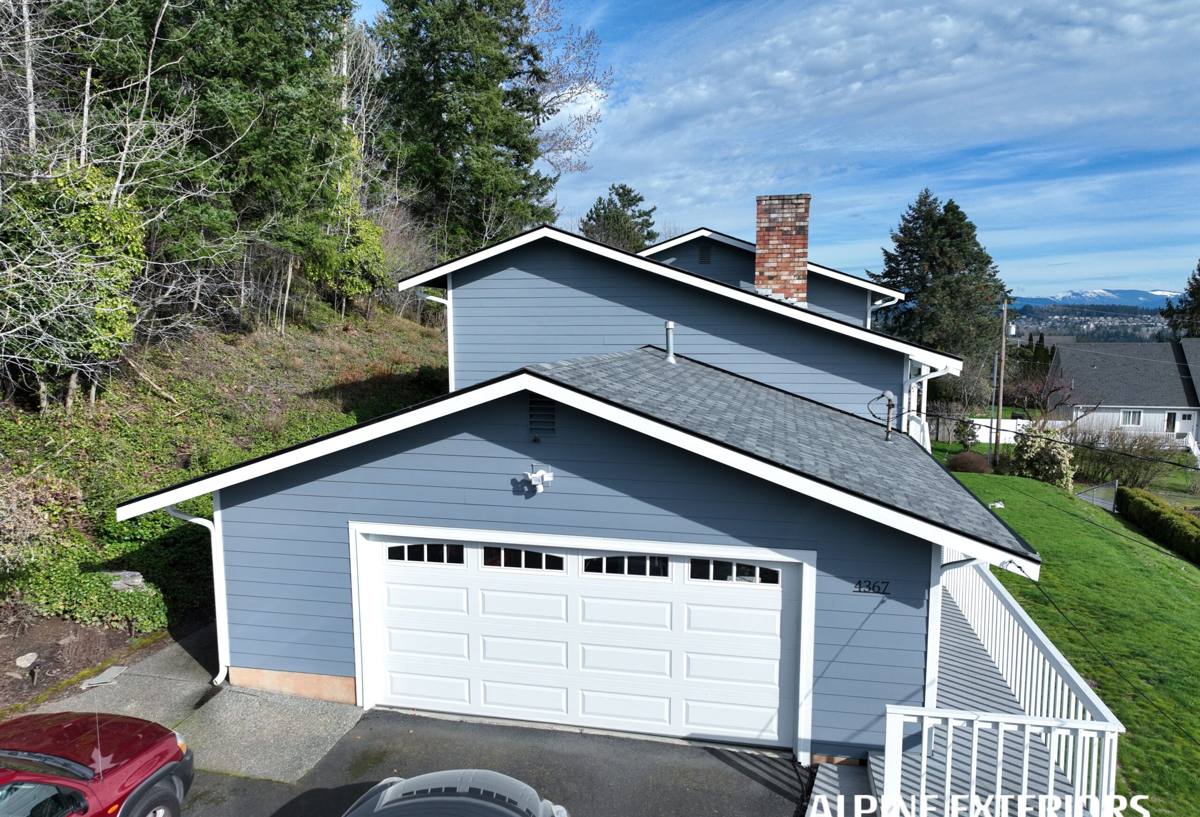
What Fruitville's Climate Actually Demands From a Roof
Sarasota County homeowners often think about their roof in terms of hurricanes, and that's fair — wind uplift resistance matters enormously here. But the roof is working against you every single day, not just during storms.
- Wind uplift: Sustained tropical-storm and hurricane-force winds put constant upward pressure on roof edges, ridges, and rakes — the areas most likely to fail first if fastening patterns or clip spacing are off.
- Wind-driven rain: Rain in this region rarely falls straight down. It comes sideways under wind pressure, which means underlayment, flashing laps, and panel seams have to shed water moving horizontally, not just vertically.
- Year-round UV exposure: Florida's sun degrades coatings and sealants faster than in most of the country. Paint systems and finish quality on metal panels matter more here than in milder climates.
- Heat cycling: Metal expands and contracts daily as it heats in direct sun and cools at night. Panels and fasteners need room to move, or they'll work themselves loose over years.
- Humidity and moisture: Even without a direct leak, trapped moisture under a poorly ventilated metal roof can cause deck rot and corrosion from the underside, which is often worse than any surface problem.
None of this is unique to Fruitville specifically, but it's the reality of Sarasota County construction, and it's why we don't treat metal roofing as a one-size-fits-all product install.
Salt Air's Role, Even Away From the Water
Fruitville isn't beachfront, but salt-laden air still travels inland across the region, especially during onshore wind events. Over time this accelerates corrosion on fasteners, flashing, and any exposed metal edges that aren't properly coated or sealed. It's a slower effect than what a barrier-island home experiences, but it's real, and it factors into which fasteners and coatings we specify.
What a Correct Metal Roof Installation Involves
A metal roof is only as good as what's underneath it and how it's fastened down. Here's what we consider non-negotiable on every job:
- Deck inspection and repair before anything goes on — metal will telegraph any unevenness or soft spots in the decking below it.
- A high-temperature-rated synthetic or self-adhering underlayment suited to Florida's heat, not a generic felt product that breaks down under sustained sun exposure.
- Fastener spacing and clip systems matched to the local wind-load requirements for the property, not a generic manufacturer minimum.
- Properly lapped and sealed flashing at every penetration, valley, and wall transition — the majority of metal roof leaks trace back to flashing details, not the panels themselves.
- Ridge and hip ventilation that lets the roof breathe, reducing heat buildup and moisture trapped against the underside of the deck.
- Panel layout that accounts for thermal expansion, especially on longer runs, so the metal isn't fighting itself as temperatures swing.
Skipping any one of these doesn't usually cause an immediate problem — it causes a problem in year three, five, or eight, which is exactly why cutting corners on a metal roof is a bad trade. It looks the same on install day either way.
Standing Seam vs. Metal Shingles: Choosing the Right System
Both systems handle Florida weather well when installed correctly, but they suit different homes and budgets.
| Factor | Standing Seam | Metal Shingles / Panels |
|---|---|---|
| Fastening method | Concealed clips, no exposed screws on the field | Often exposed or semi-exposed fasteners depending on profile |
| Best suited for | Modern, clean-lined roof profiles | Homes wanting a traditional shingle or tile look |
| Long-term maintenance | Very low — fewer penetration points | Low, with periodic fastener checks over time |
| Wind performance | Excellent when clip spacing matches wind zone | Excellent when fastener pattern matches wind zone |
| Typical lifespan | 40-70 years with proper install | 30-50 years with proper install |
We'll walk you through which system fits your home's roof pitch, architectural style, and budget honestly — neither is the "better" product across the board, and we'd rather you end up with the right fit than the one that's easiest to sell.
Coatings, Gauge, and Why Material Choice Matters Here
Not all metal roofing is built the same, and in a climate like this one, the difference shows up over time rather than on day one.
Panel Gauge
Thicker gauge steel or aluminum resists denting from hail and foot traffic better and typically holds fastener threads more securely over decades of thermal cycling. Lighter gauge material costs less upfront but can be more prone to oil-canning (visible waviness) and long-term wear.
Finish and Coating
Given the UV load this region sees year-round, we favor factory-applied paint systems designed for fade and chalk resistance. A lower-grade coating may look fine for a few years, then start chalking, fading unevenly, or losing its protective properties well before the panel itself would otherwise need replacing.
Fastener Material
Fastener corrosion is one of the most common quiet failures on metal roofs near the coast. We specify fasteners rated for the coastal and humid conditions common across Sarasota County rather than defaulting to whatever is cheapest.
Our Process for Fruitville Metal Roof Projects
- On-site assessment: We inspect the existing roof, deck condition, ventilation, and any problem areas before recommending a system.
- Honest system recommendation: We explain the trade-offs between panel types, gauges, and finishes for your specific home — no upselling to whatever has the best margin.
- Clear, written estimate: Scope, materials, and timeline in writing before any work starts.
- Deck prep and repair: Any rot, soft spots, or structural issues get addressed before a single panel goes down.
- Installation to wind-load and manufacturer specification: Fastener spacing, flashing, and underlayment done to spec, not to the fastest possible timeline.
- Final walkthrough: We review the completed roof with you and answer any questions about maintenance or warranty coverage before we consider the job done.
Why It Matters to Hire a Crew That Already Works This Area
Metal roofing done wrong in a mild climate might just be a cosmetic issue. Done wrong in Sarasota County, with the wind loads, UV exposure, and wind-driven rain this area sees, it becomes a leak, a warranty dispute, or a roof that needs premature attention. A crew that regularly works in Fruitville and the surrounding Sarasota area already understands the local wind-zone requirements, permitting expectations, and the failure points that show up in this specific climate — that's not something you can shortcut with a crew unfamiliar with the region.
We also know that homeowners here have often already dealt with roof damage or insurance claims from prior storms, so we're straightforward about what your roof needs and what it doesn't. If a section of decking is sound, we're not going to tell you otherwise to pad a bill.
A Practical Pre-Project Checklist
Before committing to a metal roof installation, it's worth confirming a few things with any contractor you're considering:
- Do they inspect and address deck condition before installation, or install over existing problems?
- Do they specify fastener and clip spacing based on your home's actual wind zone?
- Is the underlayment rated for sustained Florida heat, not just a generic felt product?
- Do they include ridge/hip ventilation as part of the system, not as an afterthought?
- Is the warranty structure — manufacturer and workmanship — explained clearly in writing?
- Are they familiar with Sarasota County permitting and wind-load requirements specifically?
Maintenance That Actually Extends the Roof's Life
A correctly installed metal roof needs very little upkeep, but a little goes a long way in this climate. We recommend periodic visual checks after major storms for lifted flashing or debris buildup in valleys, keeping gutters clear so water isn't backing up against roof edges, and having a professional look at fastener condition and sealant integrity every few years rather than waiting for a visible leak to show up.
If you're weighing metal roofing for a Fruitville home, we're happy to take a look and give you a straightforward, no-pressure estimate — what your roof actually needs, what it would cost, and why. There's a request form below whenever you're ready.