 Sarasota Roofing
 Longboat Key Roofs Work Harder Than Most
Longboat Key sits out on the barrier island chain along the Sarasota coastline, and that location comes with a roofing reality most inland homes never deal with. A roof out here isn't just fighting normal Florida sun and rain — it's absorbing salt-laden air off the Gulf, taking wind loads that build over open water before they ever reach the coast, and cycling through daily UV exposure that's noticeably harsher near the water than it is a few miles inland. None of that is a one-time event. It's a constant, low-grade wear pattern that speeds up the day storm winds or wind-driven rain find a weak spot.
That's why storm damage on a Longboat Key roof rarely shows up as a single clean problem. A hard blow doesn't just lift a few shingles — it exploits fasteners, flashing, and underlayment that salt air and UV have already been quietly degrading for years. Understanding that combination is the difference between a repair that actually holds and one that fails again in the next system.
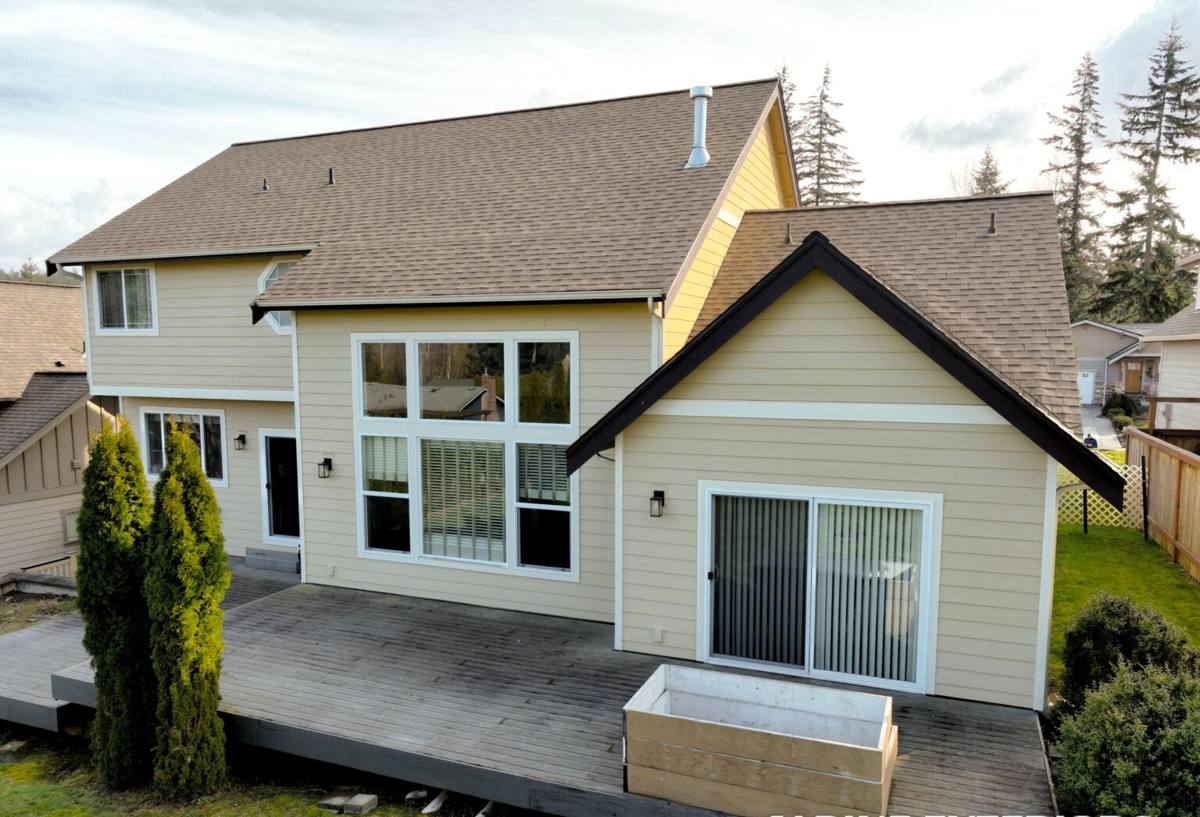
What Storm Damage Actually Looks Like Here
Some damage is obvious. Most of it isn't — at least not from the ground.
Visible Signs
- Shingles that are lifted, curled, cracked, or missing outright
- Bare patches where granules have been stripped, exposing the asphalt underneath
- Dented or creased metal panels or flashing, especially at valleys and edges
- Torn or lifted ridge caps
- Debris impact marks from blown branches or airborne material
Hidden Signs
Wind-driven rain doesn't need a big opening to get in. It can push moisture sideways under shingles, past flashing, and into fastener holes that look fine at a glance. That's how a storm can leave a roof looking mostly intact from the street while water is already working its way into the decking. Ceiling stains, a musty smell in the attic, soft spots in the decking, or rusting fasteners are usually signs that damage has been sitting unaddressed for a while — sometimes from a storm that passed weeks or months earlier.
Why Waiting Costs More Than It Saves
A small storm repair left alone doesn't stay small. Once water gets under the roofing system, it doesn't evaporate on its own — it soaks into decking, insulation, and eventually interior finishes. Combine that with Sarasota's humidity and the salt air already stressing every exposed metal component, and a delayed repair turns into rot, mold, and corrosion that costs far more to fix than the original storm damage would have.
There's also a timing issue specific to insurance claims. Roofing damage from a named storm or documented wind event is usually easiest to get approved when it's inspected and documented soon after the event, while the cause-and-effect is clear. The longer a roof sits, the more a claims adjuster may attribute deterioration to age or lack of maintenance rather than the storm itself — even when the storm was the real trigger.
What a Correct Storm Damage Repair Involves
A proper storm repair isn't just replacing what's visibly broken. It's confirming the roof is sound underneath and that the repair won't become the next weak point.
1. Full Inspection, Not a Glance
This means walking the roof, not just looking at it from the driveway — checking shingles or panels, flashing at every penetration and transition, ridge and hip lines, soffits, fascia, and attic ventilation. On a coastal home, we're also looking specifically for early corrosion on metal fasteners and flashing, since salt air accelerates that process well before it's visible from below.
2. Decking and Structure Check
If wind or water has gotten past the roofing surface, the decking underneath needs to be checked for softness, delamination, or rot. Any decking that's compromised gets replaced before new roofing goes down — patching over damaged decking just hides the problem instead of fixing it.
3. Matching Materials and Fastening Standards
Repairs should match the existing roofing system's material, profile, and where possible, appearance — and be installed to current wind-resistance fastening standards, not just however the original section was done years ago. Florida's building code has tightened wind and moisture requirements over the years, and a repair is a reasonable point to bring an older section closer to current standards.
4. Flashing and Underlayment Get Real Attention
Most repeat leaks trace back to flashing and underlayment that were rushed or reused when they should have been replaced. On a barrier island roof, this step matters more than almost anything else in the repair — it's usually the actual point of failure, not the shingles or panels themselves.
Our Process, Start to Finish
- Initial call and scheduling — we ask what happened, when, and what you're seeing (leaks, missing material, visible damage) to plan the inspection.
- On-site inspection — a full roof and attic check, with photo documentation of what we find, including anything relevant to an insurance claim.
- Straight explanation of findings — what's damaged, what's original wear, and what we'd recommend, in plain terms before any work starts.
- Written scope and estimate — a clear breakdown of the repair, materials, and cost, with no vague allowances.
- The repair itself — decking replaced where needed, flashing and underlayment done properly, matching roofing material installed to current fastening standards.
- Site cleanup — old material and debris removed; we don't leave a job site looking like a second storm hit it.
- Final walkthrough — we show you the completed work and answer any questions before we consider the job done.
Repair or Replace? How We Help You Decide
Not every storm-damaged roof needs full replacement, and not every roof is a good candidate for another round of patching. The right call depends on the roof's age, how much of it is affected, and what condition the rest of the system is in.
| Factor | Leans Toward Repair | Leans Toward Replacement |
|---|---|---|
| Roof age | Under 10-15 years, or well within expected lifespan for the material | Nearing or past the material's typical service life |
| Extent of damage | Isolated to one section or a few areas | Widespread across multiple slopes or roof planes |
| Decking condition | Sound, dry decking under the damaged area | Rot or moisture damage found in multiple areas |
| Prior repair history | First significant repair on this roof | Repeated past repairs to the same sections |
| Underlayment condition | Still intact and performing where checked | Degraded, brittle, or failing broadly |
We'll give you a straight answer either way. If a repair will genuinely hold, we'll say so — a repair job is not automatically the smaller job, and a full replacement isn't the automatic upsell just because it's more work for us.
Materials That Make Sense for a Coastal Roof
Salt air and constant UV exposure change how different roofing materials hold up on a barrier island, more than they do a few miles inland. We factor that into what we recommend for repairs and replacements alike.
| Consideration | Why It Matters on Longboat Key |
|---|---|
| Fastener and flashing metal | Salt air corrodes lower-grade metals faster; corrosion-resistant hardware lasts longer between repairs |
| Underlayment quality | A stronger secondary moisture barrier matters more here, since it's the backup when wind-driven rain gets past the surface layer |
| Wind rating of shingles or panels | Higher wind-rated products hold up better to sustained coastal wind loads, not just gusts |
| Color and coating | Reflective and UV-stable finishes slow the sun-driven breakdown that's more pronounced near open water |
We're not going to recommend a product just because it's popular. If a material has a known maintenance burden or moisture-handling weakness in a high-salt, high-UV environment, we'll tell you that upfront and explain the trade-off — that's part of doing this job honestly.
Why It Matters That We Already Work on Longboat Key
Barrier island jobs come with logistics that mainland Sarasota jobs don't. Access is by bridge, staging space is often tighter, and many properties are condos or associations with their own rules about work hours, parking, and contractor access. A crew that's already worked the island knows how to plan around that instead of losing a day figuring it out on-site.
There's also a practical benefit in urgent situations. After a significant storm, response time matters — a crew that already has a presence in the Sarasota area and experience getting to island properties efficiently can get eyes on your roof faster than one starting from scratch every time.
What to Do Right After You Notice Storm Damage
- Document what you can see from the ground or safely from inside — photos of ceiling stains, visible missing material, or debris are useful for both the contractor and any insurance claim
- Do not get on the roof yourself to inspect or attempt a fix
- Check the attic for daylight, wet insulation, or a musty smell if it's safe and accessible
- Cover any active interior leak to limit damage to floors and belongings
- Call for an inspection as soon as reasonably possible — the sooner it's assessed, the clearer the storm connection is for repair planning and insurance purposes
- Avoid signing anything or paying a large deposit to a contractor who showed up unsolicited right after a storm — verify who you're working with first
Getting an Honest Look at Your Roof
If your Longboat Key home has recent storm damage, or you're just not sure whether what you're seeing needs attention, an inspection is the only way to know for sure. We'll tell you plainly what we find, what it means, and what your real options are — no pressure, no inflated scope. Fill out the form below to schedule a free estimate.