 Sarasota Roofing
 Longboat Key Is a Different Climate Than Most of Sarasota County
Longboat Key sits out on its own barrier island, with the Gulf of Mexico on one side and Sarasota Bay on the other. That position gives homeowners some of the best views in the region, but it also means the exterior of every home on the key takes a beating that inland Sarasota County properties simply don't experience at the same intensity. Salt-laden air moves across the island constantly, sun exposure is nearly unbroken for most of the year, and when a tropical system tracks anywhere near the Gulf coast, Longboat Key catches the wind and wind-driven rain first.
Siding on this island isn't just a cosmetic layer. It's the first line of defense against moisture intrusion, UV breakdown, and wind pressure, and it has to hold up to all three at once, year after year. That's the lens we bring to every siding project on Longboat Key, and it's why we don't treat this as a generic "replace the siding" job.
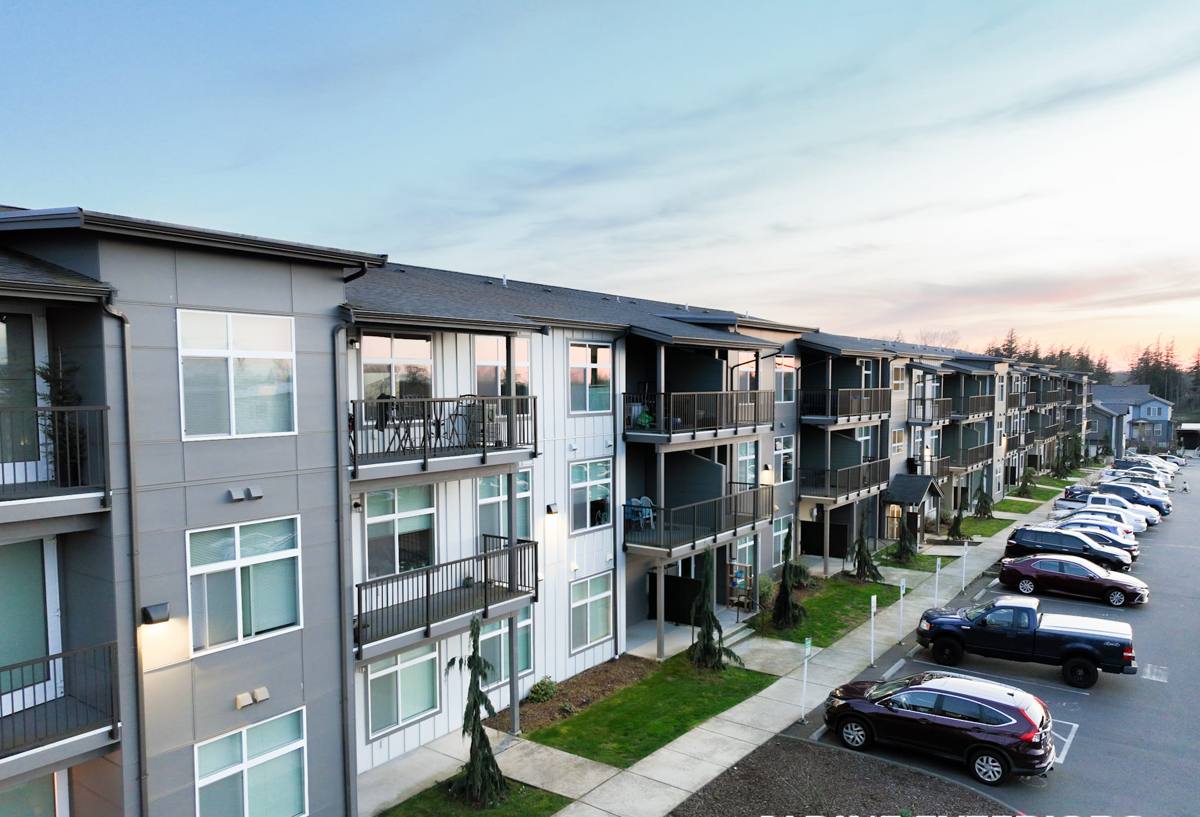
What Salt Air, UV, and Wind Actually Do to Exterior Siding
Homeowners who haven't lived on the coast often underestimate how much faster materials degrade near open saltwater. A few specifics worth understanding:
Salt air accelerates corrosion and finish breakdown
Airborne salt settles on every exterior surface, including siding, trim, and fasteners. Over time it can corrode standard fasteners, degrade paint films, and work into seams and joints faster than it would even a few miles inland. Materials and finishes that aren't engineered for this exposure tend to chalk, fade, or fail at the joints well ahead of their rated lifespan.
Intense, near year-round UV fades and dries out materials
Florida sun is hard on paint and coatings everywhere, but a barrier island with no tree canopy interruption and reflected light off the water gets more direct and reflected UV exposure than a shaded inland lot. Field-applied paint jobs on wood or fiber cement typically fade and chalk faster here, which is part of why factory-applied, baked-on finishes matter so much in this specific setting.
Wind-driven rain finds every gap
During tropical storms and even routine summer squalls, rain on Longboat Key rarely falls straight down — it's pushed sideways into the building envelope. Siding systems that rely on caulking or loose-fitting panels to stay weathertight are far more likely to let water behind the cladding, where it can sit against sheathing and framing unseen.
Hurricane-force wind loads stress every fastener and joint
Longboat Key homes are built to, and need to perform to, high wind-load standards. Siding is a structural-adjacent system in that sense: if it's fastened incorrectly or the wrong material is used, it can fail in high wind well before it reaches the end of its expected life, and a failure during a storm can expose the wall assembly to much larger problems.
Why We Install Only James Hardie Fiber Cement Here
We made a company-wide decision to install James Hardie fiber cement siding exclusively, and nowhere does that decision matter more than on a barrier island. Fiber cement is non-combustible, dimensionally stable, and doesn't absorb and swell with moisture the way wood-based products can. James Hardie's ColorPlus finish is baked on in a controlled factory process rather than applied on-site, which gives it significantly better resistance to the fading and chalking that field-applied paint suffers under constant coastal sun.
Just as important, James Hardie engineers specific product lines for high-moisture, high-wind climates — including a version formulated for Florida's combination of humidity and storm exposure. That's not marketing language we take at face value; it's the reason we standardized on this manufacturer instead of offering a menu of competing materials with different track records in this environment. We go into more detail on our general Hardie product page about why we won't install vinyl, LP SmartSide, or other fiber cement brands — the short version is that none of them combine the fire performance, factory finish durability, and manufacturer engineering for coastal wind and moisture that Hardie does.
The James Hardie Products That Make Sense on Longboat Key
Not every Hardie product is right for every home, and part of our job is matching the product to the house and its exposure.
- HardiePlank lap siding — the most common choice for traditional coastal home styles, available in a range of textures and exposures.
- HardiePanel vertical siding — often used on modern coastal designs, accent walls, and gable ends where a clean vertical line is wanted.
- HardieTrim boards — used around windows, doors, corners, and fascia so the whole exterior envelope shares the same fiber cement durability, not just the field siding.
- ColorPlus factory finishes — a baked-on finish with a manufacturer color-match warranty component, which matters enormously in an environment where field-painted finishes fade fastest.
On a barrier island property, we also pay close attention to how siding meets stucco, block, or other existing wall systems, since many Longboat Key homes are additions or renovations rather than single-material new builds.
What a Correct Installation Involves in This Environment
James Hardie siding is only as good as the installation behind it, and coastal conditions leave less room for shortcuts than an inland install would.
Fasteners and hardware
We use corrosion-resistant fasteners rated for the exposure, placed according to manufacturer spec — not generic nails driven at whatever spacing is convenient. Undersized or incorrect fasteners are one of the most common causes of premature siding failure near saltwater.
Clearances and gaps
Hardie's own installation instructions specify clearances from rooflines, decks, and grade, and minimum gaps at butt joints and around penetrations. On a home exposed to wind-driven rain, these details are what actually keep water out — not caulk alone.
Flashing and water management
Every window, door, and penetration needs correctly integrated flashing so water is directed out and away from the wall assembly, not just sealed at the surface. Sealant fails over time; flashing done right doesn't depend on that seal holding forever.
Joint treatment and finish integrity
Where field-applied caulking and touch-up paint are unavoidable — at cut ends and joints — we use products compatible with the ColorPlus finish system so the repair doesn't become the weak point in an otherwise engineered exterior.
How Siding Materials Compare in a Barrier-Island Environment
| Factor | James Hardie Fiber Cement | Vinyl Siding | Untreated Wood |
|---|---|---|---|
| Salt air / corrosion resistance | Strong — non-organic material, factory finish resists chalking | Can become brittle and discolored faster near open water | Vulnerable to rot and finish breakdown |
| UV / fade resistance | Baked-on ColorPlus finish resists fading | Color can fade and become chalky over time | Field paint fades and requires frequent recoating |
| Wind performance | Rigid, dense material holds up well when correctly fastened | Lighter material more prone to distortion or blow-off in high wind | Depends heavily on board thickness and fastening quality |
| Moisture behavior | Does not swell or absorb water like wood-based products | Water can get trapped behind panels if installed loosely | Absorbs moisture, prone to swelling and rot |
| Fire performance | Non-combustible | Combustible | Combustible |
This isn't a knock on every alternative product in every setting — it's specifically why, for a barrier-island climate like Longboat Key's, fiber cement is the material we're willing to put our name behind.
Why It Matters That We Already Work on Longboat Key
Working on a barrier island is logistically different from working a mainland Sarasota neighborhood. Many Longboat Key communities have architectural review requirements or HOA approval processes for exterior changes, and the permitting jurisdiction and wind-load documentation requirements for a coastal property aren't identical to inland Sarasota County work. A crew that's already navigated that process knows what documentation to have ready, what typically gets flagged, and how to plan material delivery and staging on a narrow island with limited access points and, in some communities, guard-gated entry.
That experience shows up in fewer surprises during the project — permitting delays, HOA back-and-forth, and access logistics are handled up front instead of discovered midway through a tear-off with your home's sheathing exposed to the next weather system.
Our Process for a Longboat Key Siding Project
- On-site assessment — we evaluate the existing siding or exterior finish, look for moisture intrusion or wall assembly issues, and check how the home's construction interacts with sun and wind exposure on its specific side of the island.
- Product and detail plan — we specify the Hardie product line, trim details, and finish color, accounting for HOA or architectural review requirements where applicable.
- Permitting — we handle the permitting process for the applicable jurisdiction before work begins.
- Removal and prep — old siding comes off, and we inspect and address any sheathing or moisture issues found underneath before anything new goes up.
- Installation to manufacturer spec — correct fasteners, clearances, and flashing, installed to James Hardie's published requirements for this climate.
- Final walkthrough — we go over the finished exterior with you before we consider the job complete.
What to ask any contractor before hiring them for a barrier-island siding job
- Do you have experience with the permitting and HOA/architectural review process for this specific community?
- What fastener type and spacing will you use, and is it rated for coastal exposure?
- How will you handle flashing at windows, doors, and other penetrations?
- What happens if you find moisture damage or rot once the old siding comes off?
- What does the manufacturer's warranty actually cover, and does it transfer if the home is sold?
Caring for James Hardie Siding on Longboat Key
Fiber cement siding is low-maintenance compared to wood, but "low-maintenance" doesn't mean "no maintenance" in a salt-air environment. A periodic rinse to remove salt residue and airborne debris, prompt attention to any caulking that's cracked or pulled away, and a visual check after any major storm go a long way toward getting the full service life out of the material. We're happy to walk homeowners through what to watch for so small issues don't turn into bigger ones between service visits.
If your Longboat Key home needs new siding or you're dealing with an existing installation that isn't holding up the way it should, we'd like to take a look. Reach out for a free, no-pressure estimate — we'll assess your home's specific exposure and walk you through what a correctly installed James Hardie system would look like on your property.