 Sarasota Roofing
 Building a Deck That Can Actually Handle Longboat Key
Longboat Key sits between the Gulf of Mexico and Sarasota Bay, and that location is exactly why decks here fail faster than decks built ten or fifteen miles inland. Salt-laden air moves across the island constantly, humidity stays high most of the year, and the sun exposure is intense and unbroken for months at a time. Add in wind-driven rain during storm season and the occasional direct hit from hurricane-force winds, and you have a set of conditions that will find every weak point in a deck's design, materials, and fasteners within a few years if it wasn't built with those specific stresses in mind.
A deck built to a generic spec, or built by a crew that mostly works inland Sarasota County neighborhoods, often looks fine for the first year or two. The problems show up later — corroded fasteners bleeding rust through the decking, railing posts that have gone soft at the base, boards cupping or splitting from UV and moisture cycling. This page covers what actually holds up on Longboat Key, why it costs a little more up front, and how we approach the build.
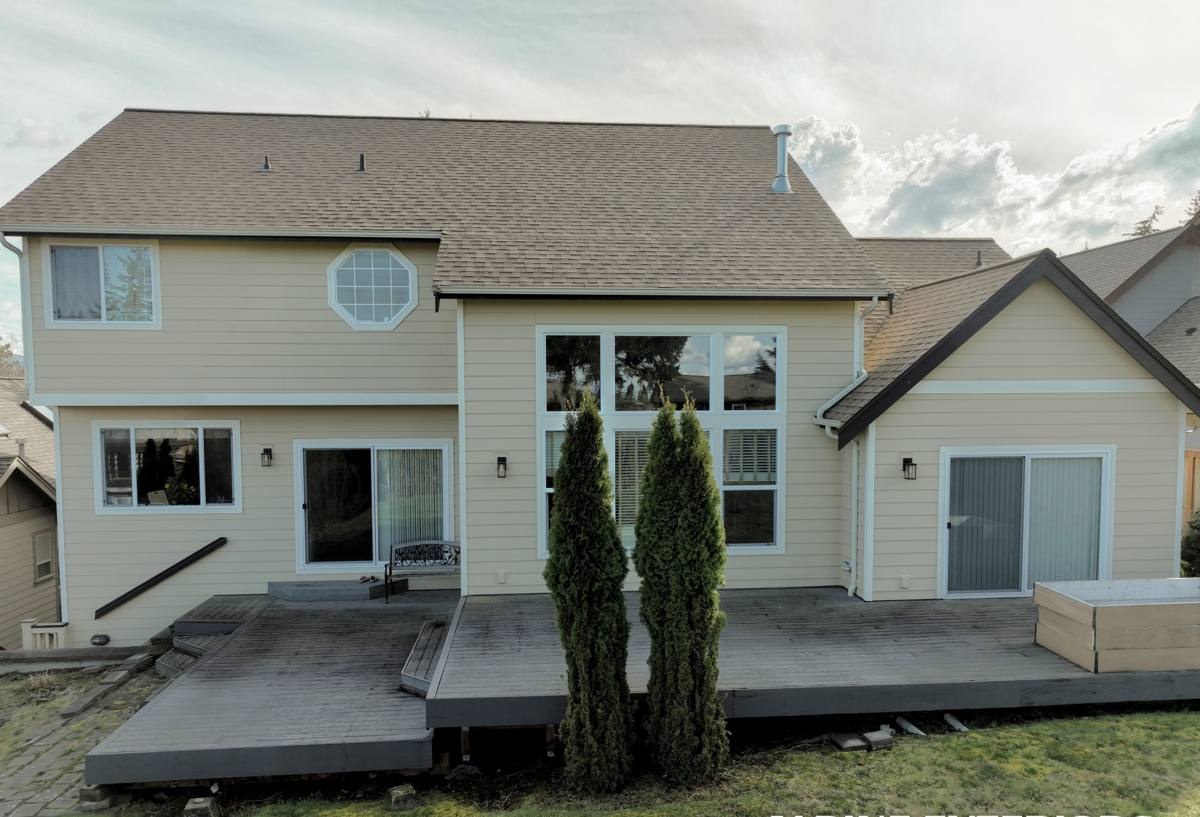
What Longboat Key's Environment Does to an Ordinary Deck
Salt Air and Corrosion
Airborne salt is the single biggest factor separating a barrier island deck from a mainland one. It settles on metal hardware, works into fastener heads, and accelerates rust in anything that isn't rated for a marine or coastal environment. Standard galvanized screws and brackets that would last decades in a typical subdivision can start showing corrosion within a few seasons this close to the water.
UV and Heat
Florida sun is hard on decking year-round, not just in summer. Wood decking dries out, checks, and grays unevenly. Lower-grade composite boards can fade or chalk faster than their warranty literature suggests. Any exposed fastener or connector also heats and cools daily, which speeds up metal fatigue over time.
Wind-Driven Rain and Storm Loads
Wind-driven rain doesn't just wet the surface of a deck — it drives moisture sideways and upward, into ledger connections, under railings, and into any gap where end-grain or fasteners are exposed. And because Longboat Key sits directly on the coast, decks here need to be framed and fastened to handle real hurricane-force wind loads, not the reduced loads a builder might design to further inland.
Choosing the Right Decking Material
There's no single "best" decking material for every home — it depends on budget, how the deck will be used, and how much maintenance the owner actually wants to do. What matters is being honest about the trade-offs instead of just pushing whatever's easiest to install.
| Material | How It Handles Salt Air & Sun | Maintenance | Typical Lifespan Here |
|---|---|---|---|
| Pressure-treated wood | Needs regular sealing to resist moisture and UV; can gray and check without upkeep | High — annual cleaning and periodic re-sealing | Shorter unless well maintained |
| Tropical hardwoods (e.g., ipe-type species) | Naturally dense and rot-resistant, handles humidity well | Moderate — periodic oiling to maintain color, though structurally low-maintenance | Long, with upkeep |
| Composite decking | Resists rot and doesn't need sealing; quality varies by product line on UV fade resistance | Low — occasional washing | Long, backed by manufacturer warranty |
| PVC/cellular decking | Fully resists moisture absorption, good for the most exposed, wettest locations | Low | Long, backed by manufacturer warranty |
For homes closest to the water or with limited shade, we usually steer clients toward composite or PVC decking specifically because they don't absorb moisture the way wood does — that matters more here than in a typical inland yard. Where a homeowner wants the look and feel of real wood, we're upfront about the sealing schedule it will need to actually last in this climate.
Fasteners, Framing, and Hardware That Actually Last
More deck failures on Longboat Key trace back to hardware than to decking boards themselves. This is where cutting corners does the most long-term damage, because the framing is what holds the whole structure together and it's the hardest part to inspect once the deck is finished.
- Stainless steel or coated fasteners rated for coastal/marine exposure — not standard exterior-grade screws
- Corrosion-resistant joist hangers and structural connectors at every framing point, not just the ones that are easy to reach
- Properly flashed ledger board connections where the deck attaches to the house, to keep wind-driven rain from working its way behind the siding
- Framing spans and post spacing sized for real hurricane wind loads, not a generic inland spec
- Elevated or ventilated framing details in low-lying or flood-zone areas so structural wood isn't sitting in standing water after heavy rain
Mixing quality decking with substandard hardware is one of the most common shortcuts we see — and one of the most expensive to fix later, since it usually means pulling up finished decking to get at the framing underneath.
Permits, Elevation, and Local Code Considerations
Longboat Key sits within flood zones and coastal construction areas that come with their own permitting requirements on top of standard Sarasota County and Florida Building Code wind-load rules. Elevation requirements, setback rules, and — for many properties on the island — architectural or homeowners association review are part of getting a deck project approved before construction even starts.
We handle the permitting process as part of the job, including any documentation needed for wind-load compliance and flood-zone elevation requirements. Skipping or rushing this step is a common way homeowners end up with a deck that has to be reworked, or that creates problems when the home is eventually sold and the deck comes up in inspection.
Railings, Stairs, and Finishing Details
Railings take as much of a beating from salt air as any other part of the deck, since they're fully exposed on both sides. Aluminum railing systems and cable railing hardware rated for coastal use tend to hold up well without the corrosion issues that untreated steel components develop. Wood railings can work, but they need the same sealing discipline as wood decking to avoid becoming the first thing that looks worn down.
Stair stringers and any structural connections below the deck surface deserve the same hardware standards as the main framing — they're often more exposed to wind-driven rain than the deck itself, especially on homes without much roof overhang protecting that area.
How Our Deck Building Process Works
Every project starts with an honest look at the specific site — sun exposure, proximity to open water, existing drainage, and how the family actually plans to use the space — before we talk materials or design.
- Site assessment and design — reviewing elevation, wind exposure, and how the deck will tie into the existing structure
- Permitting — preparing and submitting the documentation Longboat Key and Sarasota County require, including wind-load and flood-zone items where applicable
- Framing — building the structural skeleton with coastal-rated hardware and fasteners throughout, not just on visible connections
- Decking and railing installation — installing the chosen decking material and railing system to manufacturer specifications so warranties stay intact
- Final inspection and walkthrough — confirming code compliance and walking the finished deck with the homeowner
Maintaining a Deck in a Barrier Island Environment
Even the right materials and hardware benefit from basic seasonal upkeep on Longboat Key. A simple maintenance rhythm goes a long way toward getting the full lifespan out of the investment:
- Rinse salt residue off decking and railings periodically, especially after dry windy stretches
- Check fastener heads and connectors for early rust staining once or twice a year
- Keep gutters and nearby drainage clear so runoff isn't pooling against ledger connections
- Re-seal wood decking and railings on the schedule the product actually requires — not just when it starts looking gray
- Have a professional check under-deck framing every few years, since that's the area homeowners see least often
Why Local Experience on Longboat Key Matters
A deck built by a crew that already works on the island isn't guessing at what holds up here — they've seen which hardware corrodes first, which decking products actually resist the salt and sun, and what the permitting and elevation review process actually involves for this specific stretch of coast. That experience shows up in the small decisions that don't get noticed until years later, when a well-built deck is still solid and a corner-cut one isn't.
If you're planning a new deck or replacing one that hasn't held up to Longboat Key's conditions, we're happy to walk the property, talk through material options honestly, and put together a straightforward estimate — no pressure, no hard sell. Just fill out the form below to get started.