 Sarasota Roofing
 Asphalt Shingle Roofing Built for Rosemary District
Rosemary District sits close to downtown Sarasota, and like most of the city's older-established neighborhoods, it's a mix of housing stock — original bungalows and cottages alongside newer infill construction and townhomes. That mix matters for roofing. An older home may still have original decking, older flashing details, or ventilation that was never updated to modern standards. A newer build may already meet current Florida Building Code wind requirements but still need a shingle system matched correctly to the roof's slope, exposure, and sun load. Either way, the roof over a Rosemary District home is doing the same job: standing up to Gulf Coast weather, year after year, without drama.
Asphalt shingles remain one of the most practical roofing choices in Sarasota County when they're specified and installed correctly for our climate. They're not the right product installed the way you'd install them in a mild, dry climate up north — they need to be installed for wind, for heat, and for salt air. That's the difference between a roof that performs for its full warranty life and one that starts showing problems in year eight or nine.
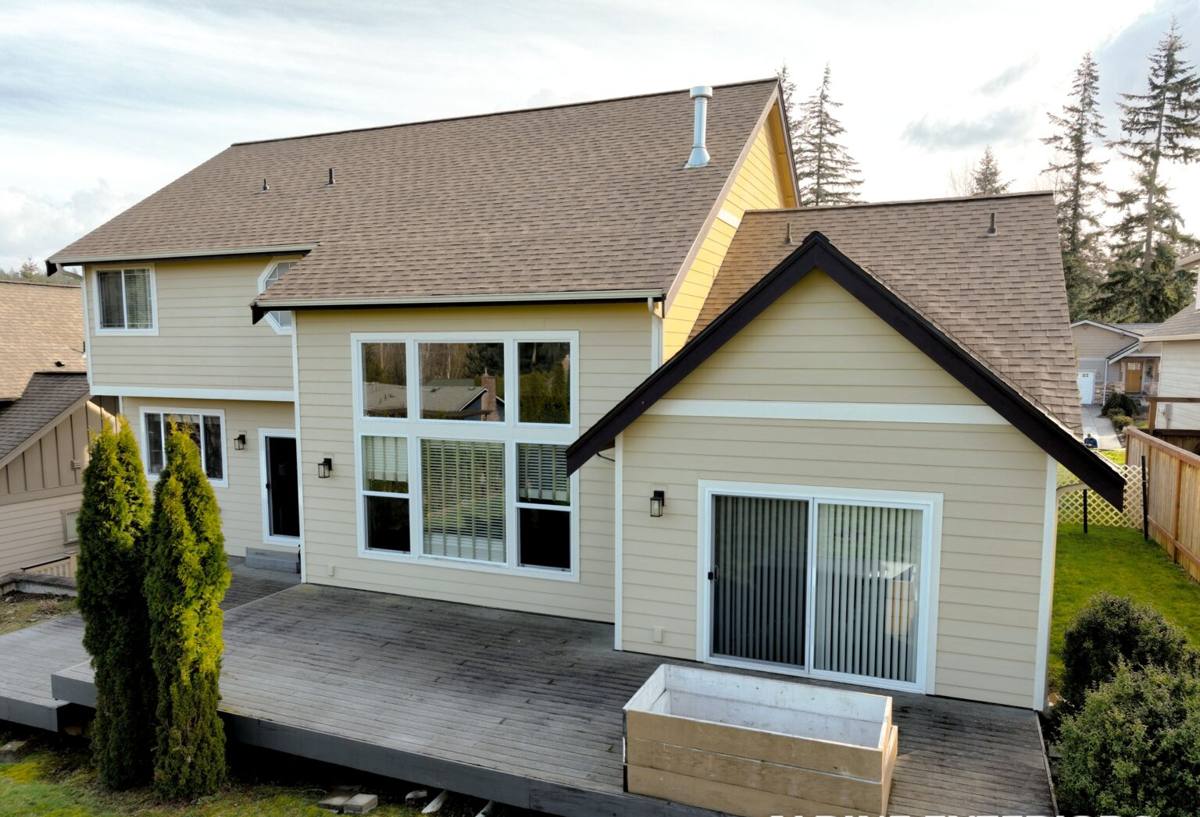
What Sarasota's Climate Actually Does to a Shingle Roof
Every roof in this part of Florida is fighting the same combination of stresses, and Rosemary District's proximity to downtown and the bay doesn't exempt it from any of them.
Hurricane-Force Wind
Wind is the number-one cause of premature shingle roof failure on the Gulf Coast. It's rarely a full tear-off in a storm — it's usually a handful of shingles with weak or improperly placed nails lifting first, which then exposes the underlayment and the rest of the field to water intrusion. Every nail, every course line, and every starter strip matters more here than it would in a low-wind region.
Constant, Intense UV
Sarasota gets strong sun essentially year-round. UV exposure breaks down the asphalt in shingles over time, drying out the mat and causing granule loss. A shingle rated for a 30-year lifespan in a moderate climate will not necessarily deliver 30 years here — the sun load accelerates aging, which is why shingle selection and proper attic ventilation both matter so much locally.
Wind-Driven Rain
It's not just how much rain falls — it's the angle it falls at. Wind-driven rain during Sarasota's summer storm season and during tropical systems pushes water sideways and upward under shingle edges, valleys, and flashing details that would stay dry in a calm, straight-down rain. This is where underlayment quality and flashing detail work earn their keep.
Salt Air
Rosemary District's inland-of-the-barrier-islands location doesn't fully shield it from salt air moving off Sarasota Bay and the Gulf. Salt exposure accelerates corrosion on exposed metal — nail heads, flashing, vent stacks, and drip edge. Roofing metal and fasteners chosen for this area need corrosion resistance built in, not added as an afterthought.
What a Correct Asphalt Shingle Installation Involves
A shingle roof is a system, not a single product. Every layer has to do its job for the roof to perform as a whole.
- Deck inspection and repair: Any soft, delaminated, or water-damaged decking gets replaced before a single shingle goes down. Shingles cannot compensate for a compromised deck underneath them.
- Underlayment: A synthetic or self-adhering underlayment rated for high-wind, high-heat climates, installed with the correct lap and fastening pattern — this is the roof's real waterproofing layer, and it's what protects the home if a shingle is ever lost in a storm.
- Drip edge and flashing: Corrosion-resistant metal at eaves, rakes, valleys, chimneys, and any roof-wall intersections, installed in the correct sequence with the underlayment so water is always directed out and over, never trapped behind.
- Starter course: A proper starter strip along eaves and rakes locks the first course of shingles down and closes off the most vulnerable edge of the roof to wind uplift.
- Nailing pattern: Correct nail count, placement, and fastener length for the wind zone — this single detail is responsible for more shingle blow-offs than any other factor when it's done wrong.
- Ventilation: Balanced intake and exhaust airflow so the attic isn't cooking the underside of the roof deck or trapping moisture.
- Ridge cap: Installed with fasteners and coverage matched to the shingle manufacturer's high-wind specifications, not just standard cap shingles nailed on without regard for the local wind rating.
Choosing a Shingle for This Climate
Not every shingle product sold nationally is the right fit for a Gulf Coast roof. The table below compares the main categories homeowners in this area typically choose between.
| Shingle Type | Typical Wind Rating | Best Fit For | Trade-Offs |
|---|---|---|---|
| 3-Tab Asphalt | Lower wind rating, lighter weight | Budget-conscious re-roofs on simple roof shapes | Shorter lifespan under intense UV and wind; less impact resistance |
| Architectural (Laminate) Asphalt | Higher wind rating, heavier mat | Most homes in Rosemary District — good balance of cost, durability, and appearance | Higher upfront cost than 3-tab; still needs correct install detail to hit its rated lifespan |
| Impact-Rated (Class 4) Asphalt | Highest wind rating; reinforced mat | Homeowners prioritizing longevity and possible insurance premium credits | Highest material cost; benefit depends on carrier and policy specifics |
For most Rosemary District homes, an architectural shingle rated for Florida's high-velocity hurricane zone requirements offers the best combination of durability and value. We'll walk through the honest trade-offs for your specific roof rather than defaulting to whichever product carries the highest margin.
Why We Hold to Certain Standards
Some lower-cost shingle lines and off-brand ventilation or flashing components look similar to standard products but aren't built with the wind and heat performance this climate demands. Our standard is to use products with documented wind-uplift and UV performance appropriate for Sarasota County, installed exactly to manufacturer specification — because a warranty is only as good as the installation behind it, and a shingle roof here has to earn its keep for a couple of decades, not just look good on install day.
Our Process for a Rosemary District Roof
- On-site inspection: We walk the roof and attic, check the deck condition, ventilation, flashing points, and note anything specific to the home's age or construction.
- Written scope and estimate: A clear breakdown of materials, labor, and any deck or flashing repairs anticipated, with no vague allowances buried in the fine print.
- Permitting: Re-roofing in Sarasota County requires a permit, and we handle that process along with the required inspections.
- Tear-off and deck check: Old roofing is removed down to the deck, which gets inspected and repaired as needed before anything new goes on.
- Underlayment, flashing, and shingle installation: Installed in the sequence and fastening pattern the manufacturer and Florida Building Code require for this wind zone.
- Final inspection and cleanup: A walk-through with the homeowner, magnetic sweep for stray fasteners, and confirmation that ventilation and flashing details are complete.
Ventilation and Moisture: The Part Homeowners Rarely See
A shingle roof can look flawless from the ground and still be failing from the inside out if the attic underneath isn't ventilated correctly. Sarasota's heat and humidity make this a bigger issue here than in drier climates — a poorly vented attic traps heat against the underside of the deck, which shortens shingle life from below at the same time UV is aging it from above. It also raises the risk of trapped moisture and the wood rot or mold issues that come with it. When we quote a shingle re-roof, checking existing intake and exhaust ventilation is a standard part of the inspection, not an upsell added later.
What Affects the Cost of a Shingle Roof in This Area
| Factor | Why It Matters |
|---|---|
| Roof size and complexity | More valleys, hips, dormers, and penetrations mean more flashing detail and labor |
| Deck condition | Rotted or delaminated decking found during tear-off adds material and labor to replace it |
| Shingle class chosen | 3-tab, architectural, and impact-rated products carry different material costs |
| Existing ventilation | Adding or upgrading intake/exhaust vents affects both cost and long-term performance |
| Layers to remove | Homes with multiple existing layers of roofing take more labor to tear off than a single-layer roof |
| Access and site conditions | Roof pitch, landscaping, and street access can affect labor and disposal logistics |
We're upfront that a wide price range exists for shingle roofing depending on these factors — anyone quoting a firm number before inspecting the deck and existing conditions is guessing. A proper estimate comes after we've actually looked at your roof.
Maintenance: What to Watch For Between Inspections
Asphalt shingle roofs are low-maintenance, but "low" isn't "none," especially in a climate that stresses roofing materials as hard as ours does. A quick homeowner checklist:
- Granule buildup in gutters or at downspout discharge points, which can signal shingle wear
- Curling, cupping, or cracked shingles, especially on the sides of the roof that face the most direct afternoon sun
- Lifted or missing shingles after any significant wind event, even if no leak is visible yet
- Rust streaks near flashing, vent stacks, or metal valleys, which point to corrosion from salt air exposure
- Any ceiling stains, musty attic smells, or visible daylight through the roof deck from inside the attic
- Debris buildup in valleys, which holds moisture against the shingles longer than necessary
Catching these early is almost always cheaper than waiting for a leak to show up inside the house.
Why a Local Crew Matters for This Neighborhood
A roofing crew that regularly works Rosemary District and the surrounding Sarasota neighborhoods brings a few practical advantages that an out-of-area or fly-by-night operation can't match. They know the Sarasota County permitting process and how local inspections typically go. They're used to the mix of older and newer construction found in this part of the city, so they're not guessing at deck conditions or flashing details common to homes of a certain era. And they're accountable locally — if a question comes up after the job is done, you're not chasing a company that's moved on to the next state. In a trade where installation quality is largely invisible once the roof is finished, that local track record and accountability are part of what you're actually paying for.
Get a Straightforward Estimate
If you're planning a shingle roof replacement or repair for a Rosemary District home, we're glad to take a look and give you a clear, honest assessment — no pressure, no inflated scare tactics, just a straight read on your roof's condition and what it actually needs. Use the form below to request a free estimate.