 Sarasota Roofing
 Roofing Laurel Park's Older Bungalows and In-Town Homes
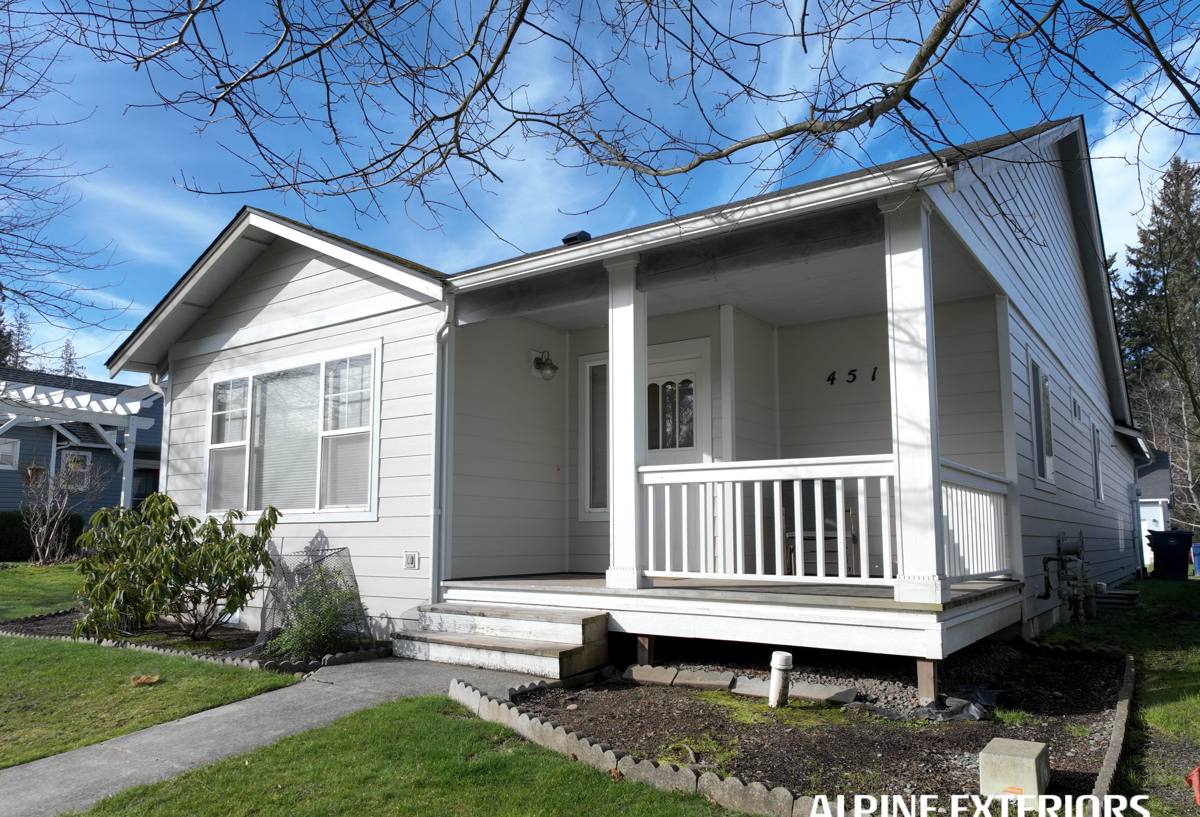
Laurel Park is one of Sarasota's older in-town neighborhoods, with a mix of historic bungalows, mid-century cottages, and newer infill homes sitting close together on modest lots just minutes from downtown. That mix matters when it's time to replace a roof. A 1920s bungalow with original wood decking and tight eaves needs a different approach than a home built in the 2000s to current Florida Building Code. A roof replacement here has to respect the age and character of the house while bringing the assembly underneath fully up to date for wind, rain, and heat.
We work on Laurel Park roofs regularly, which means we already understand the lot sizes, the tree canopy, the narrow driveways and setbacks that affect staging and dumpster placement, and the general age range of the housing stock. That local familiarity translates into fewer surprises once we open up a roof deck — and fewer change orders sprung on a homeowner mid-project.
What Sarasota's Climate Does to a Laurel Park Roof
Every roof in Sarasota County is fighting the same combination of forces, and Laurel Park's proximity to the bay and downtown doesn't exempt it. Hurricane-force winds test every nail, fastener, and flashing detail during storm season. Intense, near year-round UV breaks down roofing materials and adhesives faster than in most of the country, shortening the realistic lifespan of asphalt shingles in particular. Wind-driven rain finds any gap in flashing or underlayment and pushes water sideways and upward, not just down. Salt air off the Gulf and Sarasota Bay accelerates corrosion on exposed metal fasteners, flashing, and vents.
On an older Laurel Park home, these forces are working against roof framing and decking that may already be several decades old. A replacement isn't just about swapping worn shingles for new ones — it's an opportunity to correct whatever the original roof got wrong and give the house a roof system actually built for this environment.
Common Laurel Park Roof Problems We See
- Original or aging wood decking with soft spots from long-term moisture intrusion, especially around chimneys and roof valleys
- Undersized or missing drip edge and gaps in flashing at wall-to-roof transitions common on older bungalow additions
- Attic ventilation that hasn't kept pace with insulation upgrades, trapping heat and moisture under the deck
- Roofs that were re-covered over old layers rather than properly torn off, hiding decking damage
- Fasteners and flashing showing rust or pitting from salt-laden air
Signs It's Time to Replace, Not Repair
Not every roof problem calls for a full replacement, and a straightforward repair is often the right, honest answer. But certain signs point to a roof that's past the point where patching makes sense.
- Shingles that are curling, cupping, or losing granules across large sections of the roof, not just one spot
- Multiple active or recurring leaks in different areas rather than one isolated location
- Visible sagging in the roofline, which can indicate decking or structural issues underneath
- A roof already at or past 20–25 years old, near or beyond the realistic service life for asphalt shingles in this climate
- Missing or damaged flashing that keeps failing no matter how many times it's resealed
- Daylight visible through the roof deck from inside the attic
If you're only seeing one or two of these, a repair may still buy you time. If several apply at once, replacement is usually the more cost-effective path — repeated patch jobs on a failing roof tend to cost more over time than doing the job right once.
What a Correct Roof Replacement Actually Involves
A roof replacement is more than removing old shingles and nailing down new ones. Done right, it's a full system, and every layer matters for how the roof performs against Sarasota's wind and rain.
Tear-Off and Deck Inspection
We remove the existing roofing down to the deck rather than layering over it. This is the only way to find soft or rotted decking, check the condition of the framing, and confirm the deck is sound enough to properly hold fasteners under high wind load. Any damaged decking gets replaced before anything new goes down.
Underlayment
A high-quality synthetic or self-adhering underlayment is installed as the roof's secondary water barrier — critical in a region where wind-driven rain can force water under shingles that would otherwise stay dry. In vulnerable areas like valleys and eaves, we use self-adhering membrane for extra protection against wind-driven moisture.
Flashing
New flashing at every roof penetration, valley, chimney, and wall transition. This is one of the most common failure points on older homes, and it's also one of the easiest to get right during a full replacement since everything is exposed.
Roof Covering and Fastening
Shingles, metal panels, or tile installed to the manufacturer's high-wind fastening specification — often a tighter nailing pattern than the building code minimum, matched to what the product is rated for.
Ventilation
Proper intake and exhaust ventilation keeps attic temperatures and moisture in check, which extends the life of the roofing material and helps with energy costs. This is frequently overlooked on older homes where insulation has been added over the years without revisiting airflow.
Comparing Roofing Materials for a Laurel Park Home
Material choice depends on your budget, the age and style of the home, and how long you plan to stay in it. Here's an honest comparison of the options most Laurel Park homeowners weigh.
| Material | Typical Lifespan Here | Wind Performance | Best Fit |
|---|---|---|---|
| Architectural asphalt shingle | 15–25 years | Good, when installed to high-wind spec | Most homes; best balance of cost and performance |
| Standing seam metal | 40–50+ years | Excellent | Owners planning to stay long-term or wanting minimal maintenance |
| Concrete or clay tile | 40–50+ years | Excellent when properly fastened | Homes suited to the look and structure that can support the added weight |
| 3-tab asphalt shingle | 10–15 years | Fair | Budget-limited projects; shortest lifespan in this climate |
We're honest about the trade-offs of each. Tile and metal cost more upfront but spread that cost over a much longer service life and hold up better to UV and wind. Architectural shingles remain the most common choice in Laurel Park because they balance upfront cost with solid performance when the installation details — underlayment, flashing, fastening — are done correctly. Where we steer homeowners away from a lower-grade product, it's about long-term maintenance burden and how it performs against wind and moisture here, not a knock on any manufacturer.
Our Process for a Laurel Park Roof Replacement
- On-site inspection and estimate: We walk the roof, check the attic where accessible, and give you a straightforward written estimate — no pressure, no inflated scope.
- Material selection: We go over the options above with you, matched to your home's style, budget, and how long you plan to stay.
- Permitting: We pull the required Sarasota County/City of Sarasota permits and handle inspections, so the job is documented and compliant — important for insurance and resale.
- Tear-off and deck repair: Old roofing removed, deck inspected, any damaged sections replaced.
- Installation: Underlayment, flashing, ventilation, and the roof covering installed to high-wind fastening specifications.
- Final walkthrough and cleanup: We inspect the finished roof with you, haul away debris, and do a magnetic sweep for stray nails around the property.
Permitting, Code, and Wind Mitigation
Sarasota County and the City of Sarasota require permits for roof replacement, and inspections confirm the work meets Florida Building Code wind resistance requirements. A permitted, code-compliant replacement isn't just a formality — it's what supports a wind mitigation inspection afterward, which can lower your windstorm insurance premium. It also matters at resale, since buyers and their insurers will ask for permit records on a roof this significant. We handle the permitting and inspection process as a standard part of every replacement, not an add-on.
Why Local Experience in Laurel Park Matters
Roofing an older, close-set Laurel Park lot is a different logistical job than a new-construction subdivision roof. Driveways are often narrow, trees are mature and close to the house, and neighbors are close by. A crew that already works this neighborhood knows how to stage material delivery and dumpsters without blocking a street for a full day, how to protect landscaping that's often part of what makes these lots appealing, and what to expect once a deck is opened up on a home of this age. That experience shows up in fewer surprises, a tighter timeline, and less disruption to you and your neighbors during the project.
What to Look for When Hiring a Roofer in This Area
- Proper Florida contractor licensing and insurance, verifiable before work starts
- A written estimate that specifies materials, fastening spec, and scope — not just a total price
- Experience with the permitting process in Sarasota County and the City of Sarasota
- Willingness to inspect the deck and discuss what they find before assuming the original decking is fine
- A clear plan for protecting landscaping, driveways, and neighboring properties during tear-off
- References or past work you can actually see, not just claims
If your Laurel Park roof is showing its age or you just want an honest read on where it stands, we're glad to take a look. Request a free, no-pressure estimate using the form below and we'll walk you through exactly what we find and what your options are.