 Sarasota Roofing
 Decks in Laurel Park Face a Specific Set of Problems
Laurel Park is one of Sarasota's older, established neighborhoods, and that matters when it comes to decks. A lot of the outdoor living space here was built or last redone years ago, under different codes, different fastener standards, and sometimes different materials than what we'd recommend today. Add in Sarasota County's climate — hurricane-force winds, intense year-round UV, wind-driven rain, and salt air drifting in off the Gulf — and you get decks that age faster than the same structure would in a drier, cooler part of the country.
We're not talking about cosmetic wear. We're talking about the kind of deterioration that starts underneath the boards, at the ledger board, the posts, and the fasteners, long before it shows up as a soft spot or a wobble you can feel underfoot. A deck repair company that understands what Laurel Park's climate does to a structure over time is going to catch that early. One that doesn't will patch the surface and miss the cause.
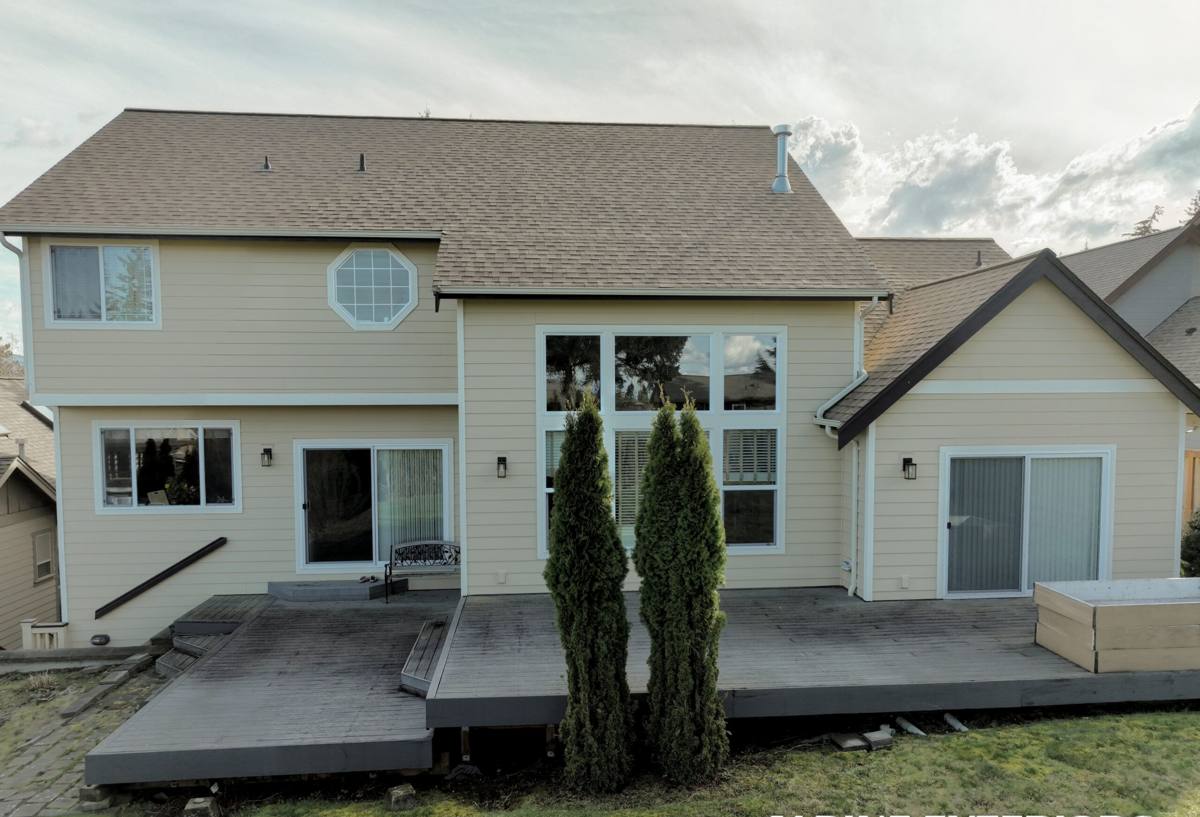
What Sarasota's Climate Does to a Deck Over Time
UV and Heat
Florida sun breaks down the lignin in wood fibers and dries out the natural oils that keep boards flexible. Over time this shows up as graying, cracking, and splintering on the wood surface, and as fading or chalking on composite decking. UV damage is mostly cosmetic at first, but cracked wood grain gives water a place to get in, which is where the real problems start.
Wind-Driven Rain
Sarasota storms don't just drop rain straight down — wind pushes it sideways, into joints, fastener holes, and the gap where a deck ledger board meets the house. That's the single most common failure point we find: water getting behind or underneath the ledger, rotting the rim joist or sill plate it's attached to, sometimes long before the visible decking shows any damage.
Salt Air and Corrosion
Even a few miles inland from the coast, salt-laden air accelerates corrosion on anything metal — nails, screws, joist hangers, structural connectors. Standard galvanized fasteners that would last decades in a landlocked state can start failing in a fraction of that time here. A deck that looks structurally fine can have fasteners quietly losing their grip.
Hurricane-Force Wind Loads
Decks are structures, and structures need to resist uplift and lateral load, not just hold up a grill and some patio furniture. Loose railings, undersized post connections, and ledger attachments that weren't rated for wind loads are exactly the kind of thing that turns a strong storm into a real hazard, both for the deck and for the house it's attached to.
Common Repair Issues We See on Laurel Park Decks
Every deck is different, but in this neighborhood specific problems come up again and again:
Wood Deck Issues
Soft or spongy boards, especially near the house or in shaded, poorly ventilated spots. Cracked or split boards from repeated UV/moisture cycling. Rot at the ledger board connection. Loose or wobbly railings and posts from corroded or undersized fasteners. Stair stringers weakened from ground contact and moisture.
Composite and Mixed-Material Decks
Fading and surface chalking on older composite boards. Fastener pull-through where the board material has softened around the screw. Substructure problems underneath — composite decking doesn't rot the way wood does, but the wood framing it's built on top of absolutely can, and that's often hidden from view until you get underneath.
Older Construction Standards
Homes built or decked out before more current code updates sometimes have ledger boards attached with nails instead of structural lag screws or through-bolts, no flashing at the ledger, or post connections that rely on toe-nailing instead of proper hardware. None of this was necessarily wrong when it was built — codes and best practices have simply moved on, and a repair is often the right time to bring those connections up to a safer standard.
What a Correct Deck Repair Actually Involves
A repair that just replaces the board you can see, without checking what's underneath it, is a repair that's likely to fail again. Here's what we actually check and address:
- Structural inspection of ledger board, joists, beams, and posts — not just the decking surface
- Moisture and rot assessment at every connection point, especially where the deck meets the house
- Fastener and hardware condition — checking for corrosion, not just looseness
- Flashing at the ledger board, which is frequently missing or failing on older decks
- Railing and stair stability, including post attachment and baluster spacing
- Drainage and ventilation underneath the deck, which affects how fast wood dries out after rain
Skipping any of these means you're guessing at whether the repair will hold. We don't guess — we open up what needs to be opened up to see the actual condition before we quote a fix.
Repair vs. Replace: How We Decide
Not every deck problem means a full rebuild, and not every deck is worth patching indefinitely. The right call depends on where the damage is and how much of the structure it's affecting.
| Factor | Leans Toward Repair | Leans Toward Replacement |
|---|---|---|
| Extent of rot/damage | Isolated to a few boards or one connection | Spread across framing, multiple structural members |
| Age of structure | Newer deck, isolated storm or wear damage | Original deck is decades old, at end of service life |
| Ledger board condition | Sound, properly flashed | Rotted, unflashed, or improperly attached |
| Code compliance | Mostly compliant with minor fixes needed | Significant gaps in railing, fastening, or load path |
| Material condition | Wood or composite still structurally sound overall | Widespread softness, delamination, or fastener failure |
We'll walk you through which category your deck falls into and why, in plain terms, before any work starts.
Our Deck Repair Process
- Inspection — We check the full structure, not just the surface, including underneath the deck and at the ledger connection.
- Written scope and estimate — You get a clear explanation of what's damaged, why, and what it takes to fix it correctly.
- Repair or replacement of damaged framing — Rotted joists, beams, posts, or ledger sections are replaced, not just covered over.
- Corrosion-resistant fastening — Hardware and fasteners rated for coastal exposure go back in, not standard interior-grade fasteners.
- Flashing and moisture management — Proper flashing at the ledger and other vulnerable joints to keep wind-driven rain from getting behind the structure again.
- Final walkthrough — We check railing stability, stair safety, and overall structural feel with you before calling it done.
Materials and Fasteners: Why It Matters More Here
In a coastal Florida climate, the materials that go into a repair matter as much as the labor. Our standard is corrosion-resistant, coastal-rated fasteners and hardware on every repair, not because it's required on paper, but because we've seen what standard galvanized hardware does after a few Sarasota summers near salt air.
On lumber, pressure-treated wood remains a solid, cost-effective choice for framing and structure, provided it's properly sealed and maintained. Composite decking holds up well on the wearing surface with less ongoing maintenance, but it's not a substitute for sound, treated framing underneath — composite boards are only as good as the structure they're fastened to. We'll talk through the trade-offs of each for your specific repair rather than defaulting to one material for every job.
Permits and Code Considerations
Deck repairs in Sarasota County can require a permit depending on the scope of work, particularly if structural framing, railings, or footings are involved. Cosmetic board replacement is treated differently than structural repair. Because Laurel Park has a mix of older homes and decks built under earlier code cycles, a repair is often a natural point to bring railing height, baluster spacing, or ledger attachment up to current standards. We handle the permitting conversation as part of the process so you're not left guessing what's required.
Why a Crew That Already Works Laurel Park Matters
A contractor who regularly works in this part of Sarasota has already seen how the neighborhood's older decks were originally built, what tends to fail first, and what a proper fix looks like given the local exposure to sun, storms, and salt air. That's not a substitute for a real inspection of your specific deck, but it does mean fewer surprises, a more accurate estimate, and a repair built for the conditions your deck actually faces — not a generic checklist.
After the Repair: Keeping Your Deck in Good Shape
A correct repair buys you years, but Sarasota's climate keeps working on a deck year-round. A little regular attention keeps small issues from becoming repair calls again.
- Rinse off salt residue and debris periodically, especially after storms
- Reseal or restain wood decking on a regular schedule — UV exposure here is more intense than most manufacturers' guidelines assume
- Check railings and stair connections for looseness once or twice a year
- Keep gutters and downspouts clear so runoff isn't draining directly onto or under the deck
- Look underneath the deck occasionally for standing water, debris buildup, or early signs of rot
- Address soft spots or loose boards right away — small problems here don't stay small for long
If your Laurel Park deck has a soft board, a wobbly railing, or you just want an honest read on its condition, we're glad to take a look. The estimate is free, there's no pressure, and you'll get a straight answer about what it needs and why.