 Sarasota Roofing
 Siding That Has to Work in Fruitville's Climate, Not Just Look Good
Fruitville sits inside Sarasota County, which means every exterior product on a home here is fighting the same battle year-round: hurricane-force wind gusts during storm season, wind-driven rain that gets pushed sideways into wall assemblies, some of the most intense year-round UV exposure in the continental United States, and salt-laden air that moves inland from the Gulf and works into fasteners, seams, and finishes over time. Siding in this part of Florida is not a cosmetic decision. It is a weather system for the house, and it either holds up to that combination or it starts failing years ahead of schedule.
We install James Hardie fiber cement siding exclusively, and Fruitville is a good example of why. Homes here range from older single-story ranch-style houses to newer two-story construction, and almost all of them share the same exposure profile: full sun for most of the day, seasonal tropical systems, and humidity that never really lets up. A siding product that isn't engineered for that combination will telegraph the stress within a few years, usually starting with fading, seam gaps, or moisture intrusion at the joints.
What Sarasota County's Wind Requirements Mean for Your Siding
Sarasota County enforces Florida Building Code wind provisions that are stricter than most of the country, and siding installed here has to be rated and fastened to hold up under sustained high wind and wind-driven rain, not just look nice on a calm day. That affects everything from the fastening schedule to the type of house wrap and flashing detail used behind the siding. A correctly installed system is part of your home's wind and water defense, not a separate cosmetic layer applied on top of it.
Salt Air and Inland Exposure
Fruitville isn't beachfront, but Sarasota County as a whole sits close enough to the Gulf that salt-bearing air moves through the whole region, especially during onshore wind events. Salt air accelerates corrosion on fasteners and metal trim and breaks down lesser paint finishes faster than inland climates would. Any siding product used here needs corrosion-resistant fastening and a finish that can take that chemical exposure on top of the UV load, not just one or the other.
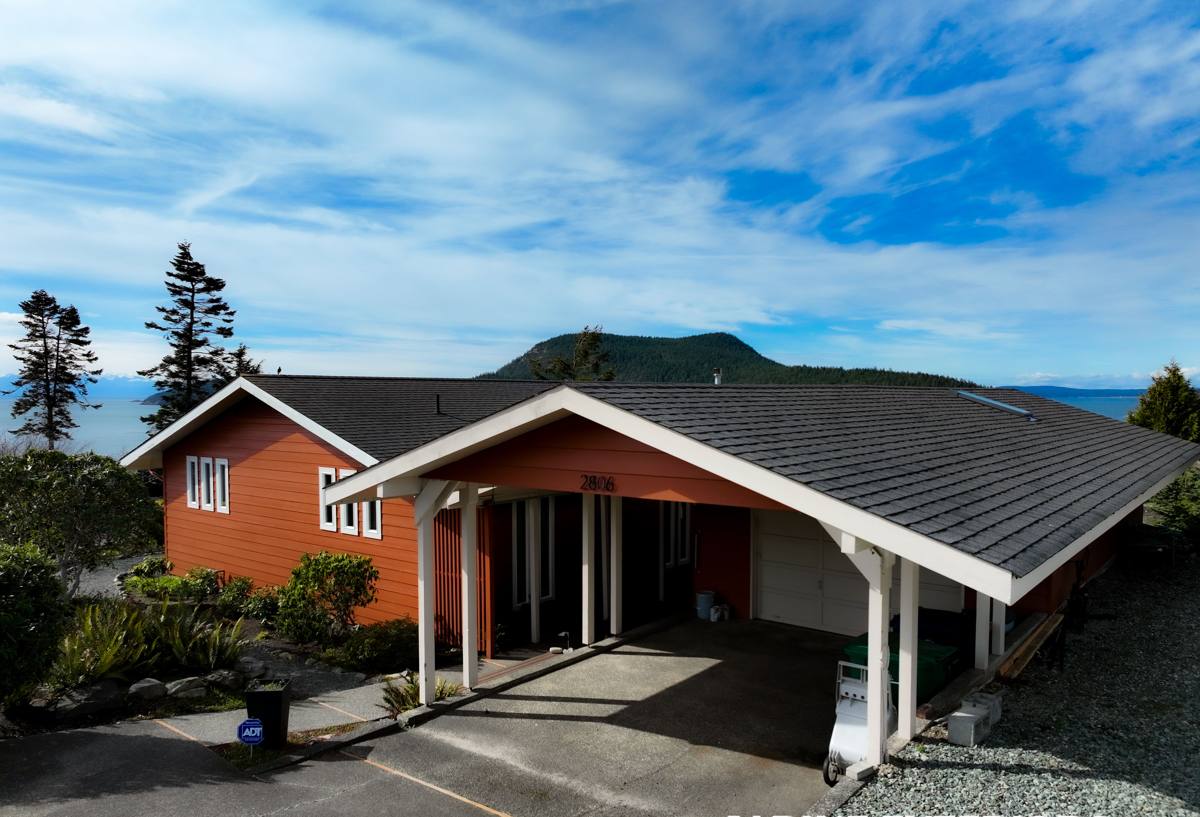
Why We Standardized on James Hardie for Homes Like Yours
We made a deliberate decision years ago to install only James Hardie fiber cement siding and to stop offering vinyl, LP SmartSide, Cemplank, Allura, or primed wood products. That's not a marketing position — it's a reflection of what actually holds up under Sarasota County conditions when we go back and look at real installations five and ten years later. Fiber cement handles heat and humidity without the softening or thermal expansion issues that plague vinyl, and James Hardie's product line is specifically engineered for the moisture and wind exposure Florida homes face, which is a meaningfully different engineering target than a product designed for a mixed-humidity Midwest climate.
HardieZone HZ5 Engineering
James Hardie manufactures its siding in climate-specific formulations under its HardieZone system, and the HZ5 line is engineered for the humid, high-moisture conditions found across Florida and the Gulf Coast. That means the product's moisture management and durability testing were done against the kind of climate Fruitville actually sits in, rather than a generic national spec. It's a small distinction on a spec sheet that translates into a real difference in how the siding performs a decade in.
ColorPlus Factory Finish
Most of what fails first on lower-grade siding in this climate is the finish, not the substrate. James Hardie's ColorPlus technology bakes a multi-coat finish onto the board at the factory under controlled conditions, which produces far better UV and fade resistance than field-applied paint and a stronger bond that resists peeling in humidity. In a market with this much direct sun exposure, the finish is doing as much work as the board itself.
What a Correct James Hardie Installation Actually Involves
James Hardie siding is only as good as the installation behind it. The board itself is durable, but the water management system underneath it — house wrap, flashing, fastener placement, and clearances — is what actually keeps a Fruitville home dry through a wet season or a tropical system. We've corrected enough poorly installed Hardie siding on other Sarasota County homes to know exactly where installers cut corners.
Fasteners, Clearances, and Flashing
- Corrosion-resistant fasteners driven to the manufacturer's specified depth — not overdriven, which cracks the board's edge over time
- Proper starter strip and minimum clearance from grade, roof lines, decks, and patios so water can't wick up into the bottom course
- Correctly lapped and sealed house wrap behind the siding, not just stapled sheeting
- Flashing integrated at every window, door, and roof transition, not caulk used as a substitute for flashing
- Proper joint gapping and caulking at butt joints so the boards can handle thermal movement without opening seams
Common Mistakes We See on Older Installations
The most common problems we find when we're called out to look at an existing Fruitville home are fasteners driven too tight or in the wrong location, siding installed tight against the ground or a patio slab with no clearance, and house wrap that was torn or improperly lapped before the siding went up. None of these show up as a problem on day one. They show up two or three years later as a soft spot, a stain, or a section that's started to separate at the seam — usually after a wet summer.
Our Process on a Fruitville Project
Every project starts with a walk of the exterior, not a quote pulled from a square-footage number. We're looking at existing siding condition, moisture damage behind the current cladding, window and door flashing, soffit and fascia condition, and anything unique to the home's exposure — corner lots and homes near open yards tend to take more direct wind and sun than sheltered lots.
Tear-Off and Inspection
Once the old siding comes off, we inspect the sheathing underneath before anything new goes up. This is the point where hidden water damage from a prior installation shows up, and it needs to be addressed before new house wrap and siding go over it — covering damaged sheathing just hides the problem for another few years.
Installation and Final Walkthrough
Installation follows James Hardie's published fastening and clearance specifications for the HZ5 zone, with flashing detailed at every penetration and transition. We walk the finished job with the homeowner before we consider it done, checking seams, corners, and trim details up close rather than from the curb.
Material Comparison for Sarasota County's Climate
| Material | Behavior in Heat and Humidity | Wind/Storm Durability | Long-Term Finish |
|---|---|---|---|
| James Hardie Fiber Cement (HZ5) | Engineered for humid coastal climates; resists warping | Rated for high-wind installation per code | Factory ColorPlus finish resists fading and peeling |
| Vinyl Siding | Can soften, warp, or distort under sustained heat | More prone to cracking or blow-off in high wind | Color molded in, but fades and chalks with UV over time |
| LP SmartSide (engineered wood) | Wood-based core is more moisture-sensitive in humid climates | Performs adequately when new; edge sealing is critical | Field or factory finish; more maintenance-sensitive over time |
| Primed Wood or Cedar | Highest moisture sensitivity; needs consistent upkeep | Susceptible to swelling and splitting in wind-driven rain | Requires regular repainting/staining to hold up |
Cost Factors on a Fruitville Siding Project
Every home is different, but the same handful of factors drive the price on most Fruitville projects. We walk through these with homeowners at the estimate so there are no surprises once work starts.
| Factor | Why It Matters |
|---|---|
| Existing siding removal and disposal | Older siding, especially if it's damaged or has multiple layers, adds tear-off labor |
| Sheathing repair | Water damage found during tear-off has to be repaired before new siding goes up |
| Board profile and size | Lap width, panel style, and trim details affect material cost and labor time |
| Home height and roofline complexity | Two-story sections, dormers, and cut-up rooflines add labor and staging |
| Color and finish selection | ColorPlus factory finishes vary by product line and color selection |
| Openings and trim detail | Windows, doors, and architectural trim all require individual flashing and fitting |
Why Hiring a Crew That Already Works in Fruitville Matters
A siding crew that regularly works Sarasota County jobs already understands the county's permitting process, the wind-load requirements local inspectors check for, and the exposure patterns specific to this part of Florida — which lots take the worst of the afternoon sun, which areas see more wind-driven rain during a system, and how humidity affects cure times and scheduling. That local familiarity shortens the permitting and inspection process and reduces the chance of a callback for a detail that doesn't pass county inspection the first time.
It also means we're not learning Florida's moisture and wind requirements on your project. We install to the same HZ5 specification and flashing detail on every Sarasota County home, which is the only way fiber cement siding performs the way it's supposed to over the long run in this climate.
Maintenance and Longevity After Installation
James Hardie siding is low-maintenance compared to wood or vinyl, but "low-maintenance" doesn't mean "no maintenance," especially in a climate with this much UV and salt exposure. A few simple habits protect the installation and the warranty.
- Rinse the siding periodically to clear salt residue and pollen buildup, especially on homes with more open exposure
- Keep sprinklers and irrigation heads from spraying directly on the siding, which shortens the life of caulking at seams
- Inspect caulking at trim, windows, and butt joints annually and have any cracked or missing caulk replaced promptly
- Trim back landscaping so foliage isn't holding moisture against the siding
- After any major storm, walk the exterior and look for loose boards, damaged trim, or gaps at flashing
Following those steps, plus James Hardie's transferable warranty coverage, is what gets a correctly installed system through decades of Sarasota County weather rather than just a few good years.
Get a Straightforward Estimate for Your Fruitville Home
If your siding is showing fading, gaps, soft spots, or storm damage, or you're planning ahead of the next storm season, we're happy to come take a look. The estimate is free, there's no pressure, and we'll give you an honest read on what your home actually needs before you decide anything.