 Sarasota Roofing
 What Gulf Gate Estates' Climate Actually Does to Siding
Gulf Gate Estates sits inland from the barrier islands but still well within the part of Sarasota County that takes a full annual beating from Gulf Coast weather. Siding here isn't just a cosmetic layer — it's the first line of defense against hurricane-force wind, intense year-round UV, wind-driven rain, and salt-laden air that moves inland off the Gulf of Mexico. Homes that look fine from the curb can be hiding siding that's failed structurally long before it fails visually, and understanding what this specific climate does to exterior cladding is the starting point for any honest conversation about replacement.
Hurricane-Force Wind
Sarasota County homes are built to Florida wind-load requirements for a reason: this area sees real hurricane and tropical storm activity most years, and siding is one of the first things wind gets a grip on. Wind doesn't just push against a wall — it creates pressure differentials that pull at panel edges, work fasteners loose over repeated storm cycles, and find any gap in the installation to start peeling material away. Siding that was fastened correctly and rated for the exposure holds up through this cycle after cycle. Siding that wasn't starts showing problems at the edges and corners first.
Intense, Year-Round UV
Florida's UV index runs high nearly every month of the year, not just in summer. That constant sun exposure breaks down unstabilized coatings, fades color unevenly depending on which side of the house faces the sun, and accelerates the aging of any material not specifically engineered to resist it. A south- or west-facing wall in Gulf Gate Estates takes a different level of punishment than a shaded north wall on the same house, which is part of why siding failure often shows up unevenly across a single home.
Wind-Driven Rain
Rain that comes in sideways during a storm behaves very differently than rain falling straight down. It gets pushed up under laps, into seams, and behind trim in ways that straight-down rain never reaches. This is why the water-management details behind the visible siding — house wrap, flashing, proper lap orientation — matter as much as the siding material itself. A good-looking product installed without correct water management will eventually let moisture in regardless of how well the surface performs.
Salt Air
Gulf Gate Estates isn't a barrier island, but Sarasota County as a whole sits close enough to open water that salt-laden air is a real factor, not just a concern for waterfront properties. Salt accelerates corrosion in exposed fasteners and metal trim, and it settles onto exterior surfaces continuously rather than only during storms. Over years, that steady low-level exposure adds up, especially on siding materials or fastener grades that weren't chosen with a coastal climate in mind.
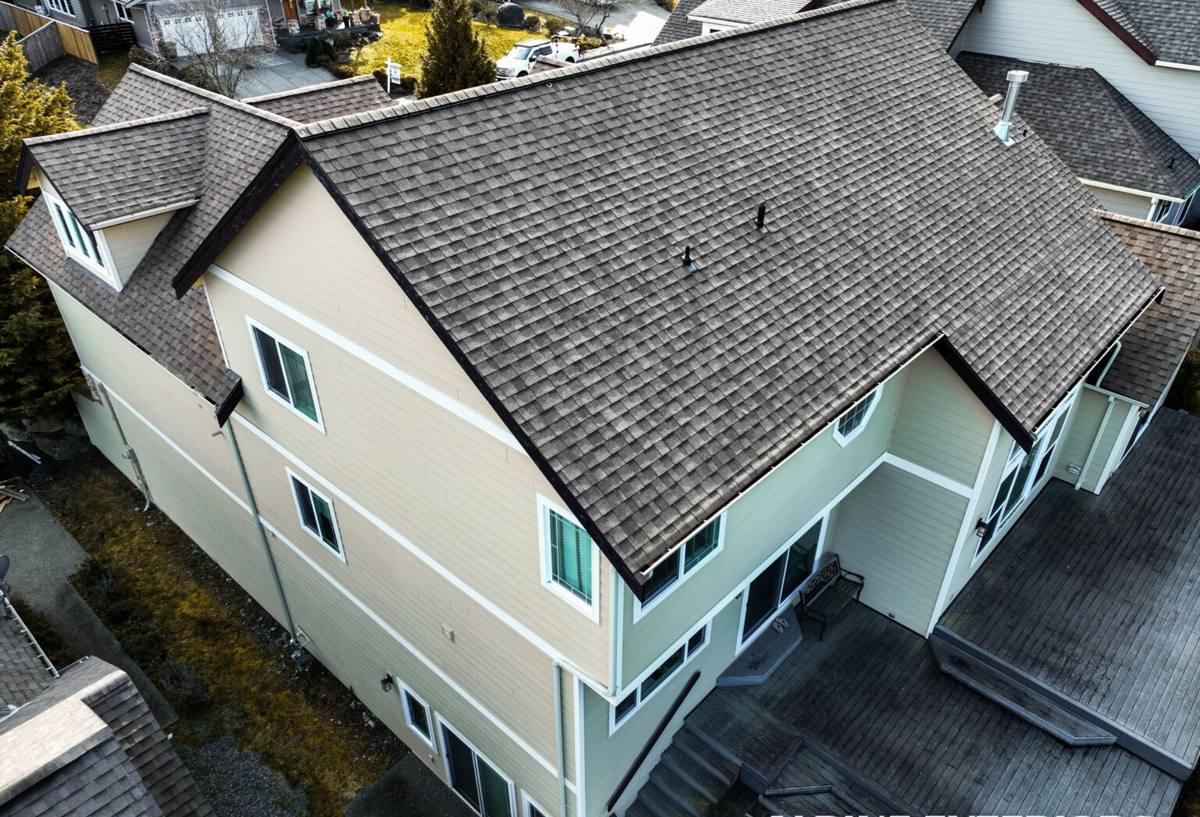
Signs Your Siding Needs Replacing, Not Just Patching
Not every siding problem calls for a full replacement, but in a climate this demanding, patching around a failing system often just delays a bigger repair. Some signs point clearly toward replacement rather than a spot fix:
- Soft or spongy spots when you press on the siding, which usually means moisture has already reached the sheathing underneath
- Visible warping, buckling, or panels that no longer sit flat against the wall
- Cracking or splitting that runs along multiple boards rather than an isolated impact spot
- Paint that won't hold, blisters quickly, or peels in sheets rather than wearing evenly
- Rust streaking below fasteners or trim, a sign the metal underneath is corroding
- A musty smell or visible mold near exterior walls, especially inside closets or rooms that share a wall with a problem area
- Rising energy bills with no other clear cause, which can point to compromised insulation behind failing siding
- Siding that's simply reached the end of its expected service life for the product it is, even if it hasn't failed outright yet
If you're seeing more than one of these, it's worth having someone look at the sheathing underneath before deciding whether repair or replacement is the right call. A patch on top of already-compromised material rarely holds up long in this climate.
Why We Only Install James Hardie Fiber Cement Siding
We install one siding product on Gulf Gate Estates homes: James Hardie fiber cement. That's not a marketing preference — it's a standard we hold because of what this climate demands and what we've seen hold up against it over time. Fiber cement is non-combustible, which matters in a state where wildfire and lightning-strike risk are real, and it doesn't share the moisture-absorption or heat-expansion behaviors that make some other siding materials a poor match for Florida's climate.
The HZ5 Climate Zone System
James Hardie engineers its products by climate zone rather than selling one formulation everywhere in the country. Florida falls into Hardie's HZ5 zone, and the HZ5 product line is specifically formulated to resist the moisture, humidity, and temperature swings common in this region. That's a meaningfully different approach than a generic siding product sold the same way in Arizona and Florida — the material composition itself is matched to what the climate actually does to it.
ColorPlus Technology
Most of our installs use Hardie's ColorPlus finish, a factory-applied, baked-on coating that resists fading and chipping far better than field-applied paint. In a climate with this much year-round UV, the difference between a factory finish engineered for sun exposure and standard field paint shows up within a few years, not decades. ColorPlus finishes also carry their own warranty coverage separate from the substrate warranty, which matters when you're evaluating what you're actually paying for.
Warranty and Long-Term Performance
James Hardie backs its siding with a substantial, transferable limited warranty — a real consideration if you plan to sell the home down the road, since the coverage doesn't reset with new ownership the way some product warranties do. Combined with a track record of holding up in coastal and hurricane-prone climates, that warranty structure is a big part of why we standardized on this one product line instead of offering several siding options with different trade-offs.
What a Correct Siding Replacement Involves
The siding panels get most of the attention, but the work that determines whether a replacement actually performs in this climate happens underneath and around them. A correct job includes:
- Full removal of the old siding, not installation over existing material, so the wall can actually be inspected
- Inspection of the sheathing underneath for moisture damage, rot, or soft spots, with repair or replacement of any compromised areas before new siding goes on
- Installation of a proper weather-resistive barrier (house wrap) sized and lapped correctly for this climate's wind-driven rain
- Correct flashing at every window, door, and penetration point, since these are the most common places water finds its way in
- Fastening to Hardie's published specifications — the right fastener type, spacing, and depth, not a generic nailing pattern
- Proper board gapping and caulking at joints and trim, following Hardie's installation guidelines for expansion and moisture management
- Correct lap orientation and overlap distance so wind-driven rain sheds away from the wall instead of into it
- Trim, corner, and fascia detailing that matches the home's architecture while maintaining the water-management system underneath
Skipping or rushing any one of these steps doesn't usually cause a visible problem right away. It shows up years later as moisture damage behind siding that still looks fine from the driveway — which is exactly the kind of failure that costs far more to fix than it would have to do correctly the first time.
James Hardie Compared to Other Siding Options for This Climate
| Material | Wind & Storm Performance | UV & Color Stability | Moisture Behavior | Fire Resistance |
|---|---|---|---|---|
| James Hardie fiber cement | Strong when installed to spec; rigid, resists panel flex | ColorPlus factory finish resists fading and chipping | Engineered for the HZ5 humid climate zone | Non-combustible |
| Vinyl siding | Can crack, warp, or blow off in high wind; expands and contracts with heat | Field color fades over time; cannot be repainted a darker shade without heat-warp risk | Water can travel behind panels if house wrap isn't detailed correctly | Combustible; can melt or deform near heat sources |
| LP SmartSide (engineered wood) | Generally solid when installed correctly | Requires field-applied or factory paint that needs maintenance over time | Wood-based core is more moisture-sensitive than fiber cement if edges aren't sealed | Combustible |
| Cedar or primed wood siding | Performs adequately but needs diligent maintenance to keep performing | Needs regular refinishing to resist UV and humidity damage | Most moisture-sensitive option; prone to rot without upkeep | Combustible |
This isn't a claim that other products are unusable — vinyl, engineered wood, and cedar all have homeowners who are happy with them, in the right setting and with the right maintenance commitment. Our position is narrower: for the wind, UV, and moisture load Gulf Gate Estates homes actually see, fiber cement is the material we're willing to put our name behind.
How Our Process Works
We start with a site visit to look at your home's existing siding, the condition of the sheathing where it's visible or accessible, sun exposure through the day, and any trouble spots you've already noticed. From there we walk through James Hardie product lines, profiles, and ColorPlus color options that fit the home's architecture and your budget.
Siding replacement in Sarasota County requires a building permit, and we handle that process rather than leaving it to you to navigate. Once permitted, the job follows the sequence above: full tear-off, sheathing inspection and any needed repair, house wrap and flashing installation, then the Hardie siding itself installed to manufacturer specification. We finish with a walkthrough covering what little maintenance ColorPlus-finished Hardie siding actually needs going forward.
Cost Factors in a Gulf Gate Estates Siding Replacement
Every home is different, and we won't quote a number without seeing the property, but these are the factors that generally move the cost of a siding replacement up or down:
| Factor | Why It Matters |
|---|---|
| Home size and wall complexity | More square footage and more corners, gables, or dormers mean more material and labor |
| Sheathing condition | Rot or moisture damage found during tear-off requires repair before new siding can go on |
| Siding profile and trim detail | Lap width, board-and-batten, and custom trim packages vary in material and installation time |
| Color and finish selection | Standard ColorPlus colors versus custom or premium finish options can shift cost |
| Window and door count | Every opening needs correct flashing and trim work, which adds labor |
| Access and site conditions | Tight lot lines, landscaping, or multi-story sections can affect staging and labor time |
| Permitting requirements | Sarasota County permit review and any required inspections are part of the project timeline |
What James Hardie Siding Still Needs From You
Hardie siding is genuinely low-maintenance, not zero-maintenance. A little routine attention keeps it performing the way it's designed to in this climate:
- Rinse the siding periodically to remove salt residue, pollen, and organic buildup before it accumulates in the finish
- Keep sprinklers and irrigation aimed away from siding, since prolonged direct water contact isn't what any siding is designed for
- Trim back landscaping that holds moisture against the wall or blocks airflow around the siding
- Inspect caulking at trim joints and penetrations every year or two and re-caulk where it's cracked or pulled away
- Address any signs of moisture intrusion right away rather than waiting, since that's a water-management issue, not a cosmetic one
Why It Matters That We Already Work Gulf Gate Estates
A crew that occasionally works this part of Sarasota County can still install Hardie siding competently, but there's real value in working a neighborhood regularly rather than learning its quirks on your project. That familiarity shows up in knowing how Sarasota County permitting and inspections typically run, understanding how sun exposure and wind direction vary house to house within the same neighborhood, and being straightforward with homeowners about what their home actually needs versus what's just an upsell. Some homes in established communities like Gulf Gate Estates also fall under HOA architectural guidelines that can affect color or material choices — we're used to working within those requirements rather than treating them as a surprise mid-project.
That local experience is also what lets us give you a straight answer, quickly, about whether your siding is a repair or a replacement, and what a correct job actually costs to do right in this specific climate.
Get a Straight Answer About Your Siding
Whether your siding is showing clear damage or you're just planning ahead, we're happy to take a look and give you an honest read on where things stand. Reach out below for a free, no-pressure estimate.