 Sarasota Roofing
 Gulf Gate Estates Homes Face Real Exterior Wear
Gulf Gate Estates is one of Sarasota's established residential neighborhoods, with a housing stock that spans decades of Florida construction — block homes from the mid-century boom years sitting alongside newer builds and remodels. Whatever the vintage, the exterior siding on these homes is doing hard work every single day. Sarasota County sits in a stretch of the Gulf Coast that gets the full package: tropical humidity, direct coastal sun, and the wind loads that come with hurricane season. Siding here isn't just cosmetic — it's the layer standing between your home's structure and a genuinely punishing climate.
When we install siding in Gulf Gate Estates, we're not treating it like a generic exterior upgrade. We're accounting for the specific stresses this neighborhood sees year after year, and specifying a product and installation method that's actually built to take it.
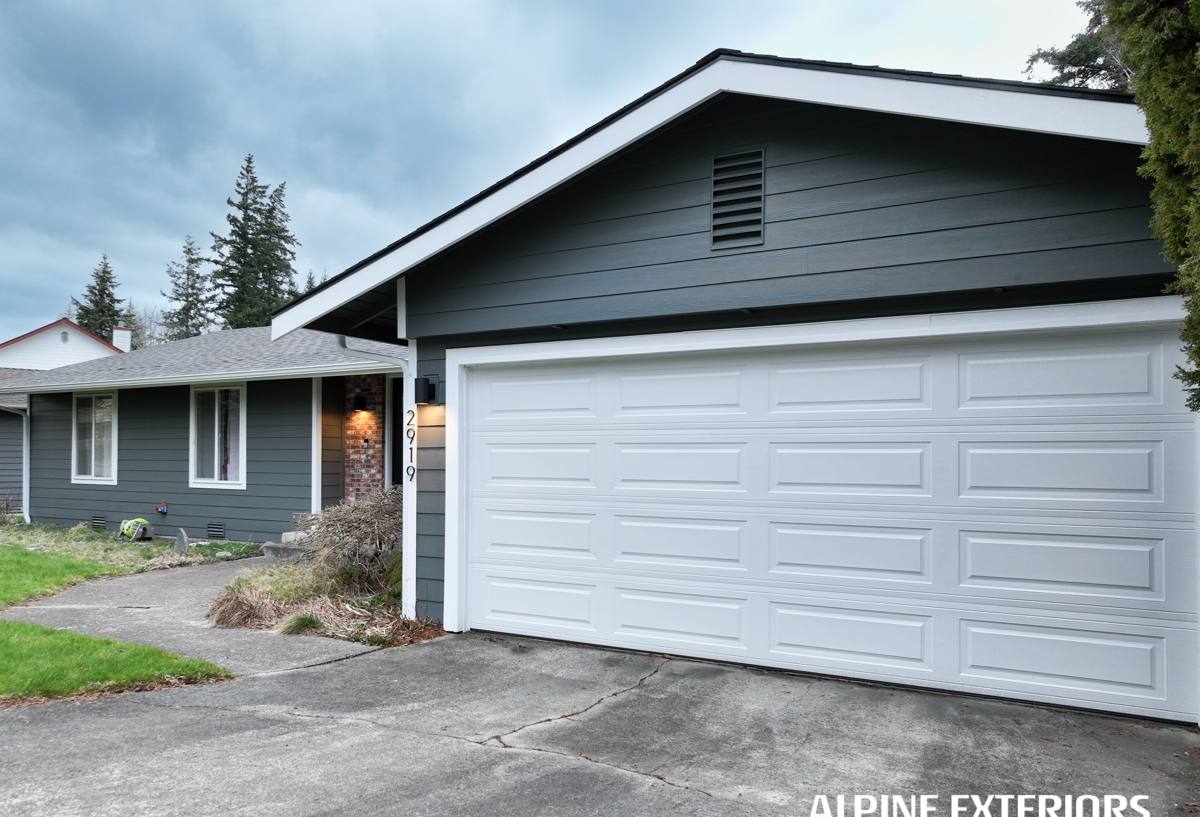
What Sarasota's Climate Actually Does to Siding
It helps to understand exactly what's working against your siding, because it explains almost every decision in a correct installation.
Hurricane-Force Wind
Wind doesn't just push on siding — it pulls. Uplift and suction forces at panel edges and corners are what cause failures during tropical storms and hurricanes, and Sarasota County sees storm systems most years. Siding that isn't fastened, lapped, and terminated correctly at edges and openings is the first thing to fail when wind speeds climb.
Intense, Year-Round UV
Florida's sun angle and day length mean siding here gets more cumulative UV exposure than siding in most of the country. Paint-grade products fade, chalk, and crack faster under this kind of exposure. Whatever finish goes on the wall has to be engineered for it, not just rated for it.
Wind-Driven Rain
Rain in a coastal storm doesn't fall straight down — it drives sideways, forcing water up under laps, around trim, and into any gap in the water-resistive barrier. A siding system that isn't detailed for wind-driven rain will let moisture behind the cladding long before the siding itself looks damaged.
Salt Air
Gulf Gate Estates sits inland from the immediate coastline, but salt-laden air still moves through the area, especially with onshore breezes. Salt accelerates corrosion on fasteners and metal flashing and can degrade some finishes over time. Material and hardware choices matter more here than they would further from the Gulf.
What a Correct Siding Installation Actually Involves
A siding job that looks right on install day but wasn't detailed correctly will show its problems within a few storm seasons — usually as staining, soft spots, or panels working loose. The parts that matter most are largely invisible once the job is done.
Moisture Management Behind the Cladding
Every wall needs a continuous water-resistive barrier, properly lapped shingle-style so water sheds downward and outward, with flashing integrated at every window, door, and penetration. Siding is the visible layer, but the barrier behind it is what actually keeps a wall assembly dry.
Fastening for Wind Resistance
Fastener type, spacing, and placement are specified for a reason — they're what keeps panels attached under uplift pressure. Correct fastener penetration into structural framing, not just sheathing, is part of what separates a wind-rated installation from one that only looks the same.
Trim, Corners, and Terminations
Corners, butt joints, and trim-to-siding transitions are where water intrusion problems start. These details need proper caulking, flashing, and clearance — including keeping siding off grade and hard surfaces by the manufacturer's specified gap, so splashback and standing water don't wick into the material.
Clearance and Ventilation
Siding installed too close to the ground, a patio slab, or roofline can trap moisture against the material regardless of what it's made of. Correct clearance is a small detail that has an outsized effect on how long a siding job lasts.
Why We Install Only James Hardie Fiber Cement
We standardized on James Hardie fiber cement siding for every siding job we do, including here in Gulf Gate Estates, and we don't install vinyl, LP SmartSide, or other fiber cement alternatives. That's a deliberate call, not a brand preference.
Fiber cement is non-combustible, which matters in a state where wildfire and structure-fire risk are part of the insurance conversation. James Hardie's HZ5 product line is specifically engineered for hot, humid climate zones like ours — it resists moisture-related swelling and cracking better than wood-based or wood-alternative sidings, which is exactly the failure mode our climate tends to expose. The factory-applied ColorPlus finish is baked on under controlled conditions and backed by its own finish warranty, so it holds color and resists the fading that year-round Florida UV causes in field-painted products. And because the material and the finish are both warrantied by the same manufacturer, homeowners aren't stuck untangling a shared claim between a siding warranty and a separate paint warranty when something goes wrong.
None of this means other products are unusable — plenty of homes around the country wear vinyl or engineered wood siding without issue. It means that after years of installing exteriors in this specific climate, we decided the trade-offs of those alternatives (moisture sensitivity, finish longevity, installation tolerances) weren't ones we wanted to put our name behind here. Fiber cement, installed correctly, is what we believe holds up best against Gulf Coast wind, sun, and salt.
Our Installation Process
1. On-Site Assessment and Measurement
We start by walking the exterior, checking the condition of the existing wall assembly, sheathing, and framing, and taking exact measurements. This is also when we flag anything that needs attention before new siding goes on — soft sheathing, existing moisture damage, or trim that needs replacing.
2. Removal and Wall Prep
Old siding comes off, the sheathing gets inspected and repaired as needed, and a new water-resistive barrier goes on with proper laps and flashing at every window, door, and penetration. This step is the one most likely to get rushed by a crew unfamiliar with the climate here — we don't rush it.
3. Installation to Manufacturer Spec
Panels go up with the fastening pattern, clearances, and joint treatment James Hardie specifies for our wind zone, not a generic national default. Corners, trim, and terminations get sealed and detailed as we go, not patched at the end.
4. Final Inspection and Cleanup
We walk the finished exterior with the homeowner, check every elevation, and clear the site of debris and packaging. You get a home that's sealed correctly the first time — no coming back next season to fix details that should have been right at install.
Cost Factors for a Gulf Gate Estates Siding Project
Every home is different, but the same handful of factors drive the price on most siding jobs in this neighborhood:
| Factor | Why It Matters |
|---|---|
| Square footage of exterior wall | The largest single driver of material and labor cost |
| Existing siding removal | Tear-off adds labor; some substrates are more time-consuming to remove than others |
| Sheathing or framing repairs | Moisture damage found during removal has to be fixed before new siding goes on |
| Home style and wall complexity | Multiple gables, dormers, and cutouts take more time than simple rectangular walls |
| Trim and accessory work | Fascia, soffits, and trim boards are often replaced or refreshed alongside siding |
| Product line and profile | Lap width, texture, and color selection within the Hardie lineup affect material cost |
We give an honest, itemized estimate after seeing the actual condition of your walls — not a ballpark based on square footage alone.
Why a Crew That Already Works Gulf Gate Estates Matters
Siding work in an established Sarasota neighborhood isn't identical to siding work in a brand-new subdivision. Homes here span different construction eras, which means different existing wall assemblies, different trim details, and sometimes surprises behind the old siding once it comes off. A crew that's worked this neighborhood before has already seen the range of what's under the surface and knows what to check for before it becomes a change order.
Local also means faster response. If weather rolls in mid-project, or you have a follow-up question after the job is done, you're dealing with a crew that's a short drive away and familiar with Sarasota County's permitting and inspection process — not one that treated your job as a one-off out-of-town stop.
Maintaining Your New Siding
Correctly installed James Hardie siding is low-maintenance, but "low" isn't "zero." A little attention keeps it performing for the long haul:
- Rinse the exterior periodically to clear salt residue and airborne grit, especially on sides facing prevailing winds
- Inspect caulking at trim joints, corners, and penetrations annually and re-seal if it's cracked or pulling away
- Keep gutters clear so water isn't overflowing and running down the siding face
- Trim back shrubs and landscaping so nothing holds moisture against the wall or blocks airflow
- Check the clearance gap at grade, patios, and decks periodically — mulch and landscaping additions over time can quietly close that gap
- Have any impact damage from storm debris inspected promptly rather than waiting for the next season
None of this is heavy lifting, but it's the difference between siding that looks new for decades and siding that starts showing its age early.
If you're weighing a siding replacement or new install in Gulf Gate Estates, we're happy to take a look and give you a straight answer on condition, options, and cost — no pressure, no obligation. Fill out the form below to schedule a free estimate.