 Sarasota Roofing
 Roof Repair Built for Gulf Gate Estates Homes
Gulf Gate Estates is one of Sarasota's older, well-established residential neighborhoods, with a mix of home ages, roof types, and roof conditions to match. Some houses still carry roofs installed decades ago; others have been re-roofed more recently but are already showing wear from a handful of rough hurricane seasons. Whatever the age, the roofs in this neighborhood are all fighting the same battle against Gulf Coast sun, wind, and moisture — and a repair that doesn't account for that battle usually fails again within a year or two.
We treat roof repair as a diagnostic job, not a patch-and-go service call. That means figuring out why a roof is leaking or failing before we start sealing things up, and being honest with the homeowner about what we find — including when a repair isn't the right long-term answer.
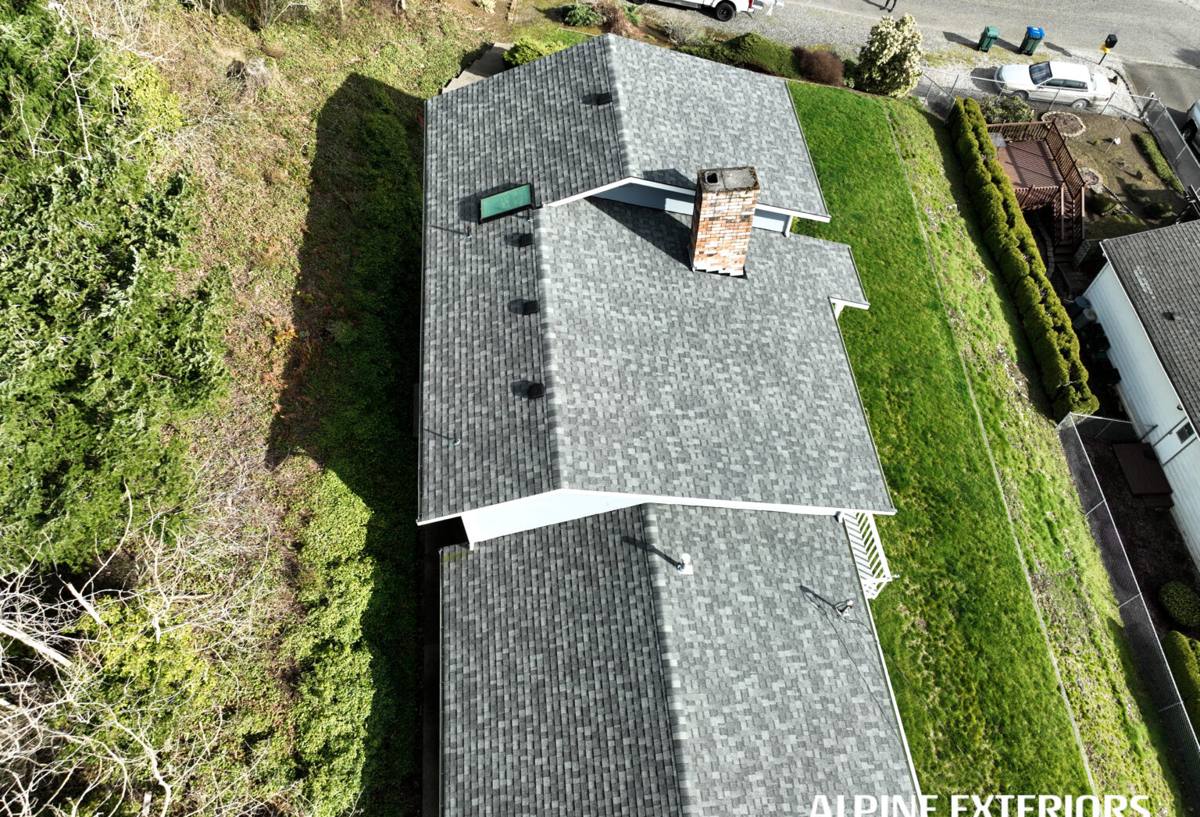
What Sarasota's Climate Does to a Roof
Roofs in Sarasota County don't fail the way they do in drier, cooler climates. The damage here is layered — UV, water, wind, and salt all working on the same roof at the same time, year-round.
UV Exposure
Florida sun is intense almost every day of the year. On asphalt shingles, constant UV breaks down the asphalt binder and burns off the protective granules, leaving the mat brittle and prone to cracking. On tile, UV is less damaging to the tile itself but accelerates the breakdown of the underlayment beneath it — which is usually where the real leak problem lives.
Wind-Driven Rain
It's rarely just rain here — it's rain pushed sideways by wind, which finds every gap, lifted edge, and undersized nail pattern a roof has. Wind-driven rain during a tropical system or even a strong afternoon storm can drive water up and under flashing that would keep out a straight-down rain with no trouble.
Hurricane-Force Wind
Sarasota County sits squarely in the path of tropical systems, and even a roof that isn't directly in a hurricane's eyewall can take sustained high winds and gusts strong enough to lift shingles, crack tiles, or peel back flashing. Repeated wind events, even minor ones, loosen fasteners and open small gaps that don't show up as an active leak right away.
Salt Air
Being close to the Gulf means salt in the air, even a few miles inland. Salt accelerates corrosion on exposed metal — nails, flashing, vent boots, drip edge — which is often the actual point of failure on a roof that otherwise looks fine from the ground.
Common Roof Problems We Find in This Neighborhood
The repair calls we run in Gulf Gate Estates tend to fall into a few recurring categories, depending on the roof type.
Asphalt Shingle Roofs
Cracked, curling, or missing shingles from UV breakdown and wind lift; nail pops working through the shingle surface; and granule loss around valleys and eaves where water concentrates during heavy rain.
Tile Roofs
Cracked or slipped tiles from wind or foot traffic, and — more often the real issue — failed or aged underlayment beneath tiles that still look intact. A tile roof can look perfectly fine and still be leaking because the waterproofing layer underneath has reached the end of its life.
Flashing and Penetrations
Leaks around chimneys, skylights, plumbing vents, and roof-to-wall transitions are some of the most common calls we get, on any roof type. These areas rely on flashing and sealant doing their job, and both degrade faster in this climate than most homeowners expect.
What a Correct Repair Actually Involves
A lot of roof "repairs" in Florida are really just caulk and roof cement applied to a symptom, not the cause. That approach can buy a little time, but it doesn't hold up to another season of sun and storms. A repair done right starts with finding the actual entry point for water, which is not always where the ceiling stain shows up inside.
| Step | What It Involves | Why It Matters Here |
|---|---|---|
| Leak tracing | Following water from the interior stain back to its actual roof-level source | Wind-driven rain can travel sideways under roofing before it drips down, so the visible stain is rarely directly above the leak |
| Material matching | Sourcing the correct shingle profile, tile style, or flashing metal to match existing roofing | Mismatched patches stand out and can create their own water paths |
| Underlayment check | Inspecting the waterproofing layer around the repair area, not just the surface roofing | UV and heat age underlayment faster in Florida than the surface material shows |
| Fastener and flashing review | Checking nail patterns and flashing condition near the repair, not only at the failure point | Salt air corrodes fasteners across the whole roof, not just at the spot that's currently leaking |
Our Repair Process
When we come out for a roof repair call in Gulf Gate Estates, the process is straightforward and doesn't require guesswork on the homeowner's part.
- Inspection. We walk the roof (or use ladder and drone inspection where a walk isn't safe or appropriate) and check the interior for water staining, checking attic space where accessible.
- Diagnosis. We trace the leak or damage to its actual source and explain what we found in plain terms, including photos.
- Written scope and estimate. A clear description of what needs to be repaired and why, with a straightforward price — no vague line items.
- Repair. We complete the work with materials that match the existing roof as closely as possible, and we don't leave a job half-sealed hoping it holds.
- Follow-up. If a repair is a stopgap ahead of a larger project — like a re-roof — we say so up front, not after the invoice.
Signs Your Roof Needs Repair Now
Some roof problems are obvious. Others sit quietly for a season or two before they show up as an interior leak. Homeowners in this neighborhood should treat any of the following as reason to get a roof looked at:
- Water stains on ceilings or upper walls, even small or faint ones
- Missing, cracked, or curling shingles visible from the ground
- Cracked or slipped roof tiles, especially after a windstorm
- Granules collecting in gutters or at downspout outlets
- Visible daylight or gaps around chimneys, skylights, or vent pipes from the attic
- Soft or spongy spots when walking the roof deck (a sign of trapped moisture underneath)
- Rust streaks running down from flashing or metal vent boots
- A roof that's due for insurance wind mitigation re-inspection but hasn't been checked in several years
Repair vs. Replacement: How We Decide
Not every roof problem in Gulf Gate Estates needs a full replacement, and not every leak can be permanently solved with a patch. We walk homeowners through the honest tradeoffs rather than defaulting to whichever job is bigger.
| Factor | Repair Usually Makes Sense | Replacement Usually Makes Sense |
|---|---|---|
| Roof age | Roof is well within its expected service life | Roof is near or past the typical lifespan for its material |
| Damage extent | Isolated to one area — a flashing point, a section of shingles, a few tiles | Spread across multiple areas or recurring in different spots each season |
| Underlayment condition | Underlayment beneath the repair area is still intact | Underlayment is widely deteriorated, even if surface material looks okay |
| Storm history | Damage is from a single identifiable event | Cumulative wear from multiple storm seasons with no major work done |
| Insurance and financing | Out-of-pocket repair cost is manageable and roof condition supports future claims | Age or condition may affect insurability or renewal terms regardless of a repair |
Florida insurers increasingly weigh roof age and condition heavily in renewal and wind mitigation decisions. A repair that keeps a roof watertight is still worth doing on an older roof, but homeowners deserve to know if it's a stopgap rather than a long-term fix.
Why Local Experience in Gulf Gate Estates Matters
A roofing crew that regularly works in this part of Sarasota County knows the housing stock — the roof types, the common ages of construction, and the kinds of repairs that tend to come up in this specific area. That means less time spent diagnosing from scratch and more time addressing the actual problem. It also means familiarity with Sarasota County permitting requirements, local wind mitigation standards, and the building codes that apply to roof repairs on homes of varying ages, which matters both for the quality of the work and for insurance documentation down the line.
We also know that a roof repair here isn't a one-and-done climate event — it's an ongoing relationship with sun, salt, and storm seasons that repeat every year. A repair job should be built with that in mind, not treated as a one-time fix disconnected from what the roof will face next season.
Get a Straightforward Roof Repair Estimate
If you're dealing with a leak, storm damage, or a roof that's just showing its age in Gulf Gate Estates, we're happy to take a look and give you a clear, honest assessment — repair, monitor, or replace, whichever actually fits your roof. Use the form below to request a free estimate, with no pressure and no upsell.