 Sarasota Roofing
 Why Fruitville Siding Wears Differently Than You'd Expect
Fruitville sits inland from the coast, but "inland" in Sarasota County still means salt-laden air, punishing UV exposure nearly every day of the year, and the same tropical storm and hurricane wind loads that hit the barrier islands. Add regular wind-driven rain events and the humidity that never really lets up, and you have a climate that tests every seam, fastener, and coat of paint on a home's exterior. Siding here doesn't fail because it's old — it fails because moisture found a way in, wind worked a panel loose, or UV broke down a finish faster than it should have.
That combination is why siding repair in Fruitville needs to be treated differently than a quick patch job. A repair that doesn't address how water and wind actually behave on this house, in this location, will look fine for a season and then reopen the same problem.
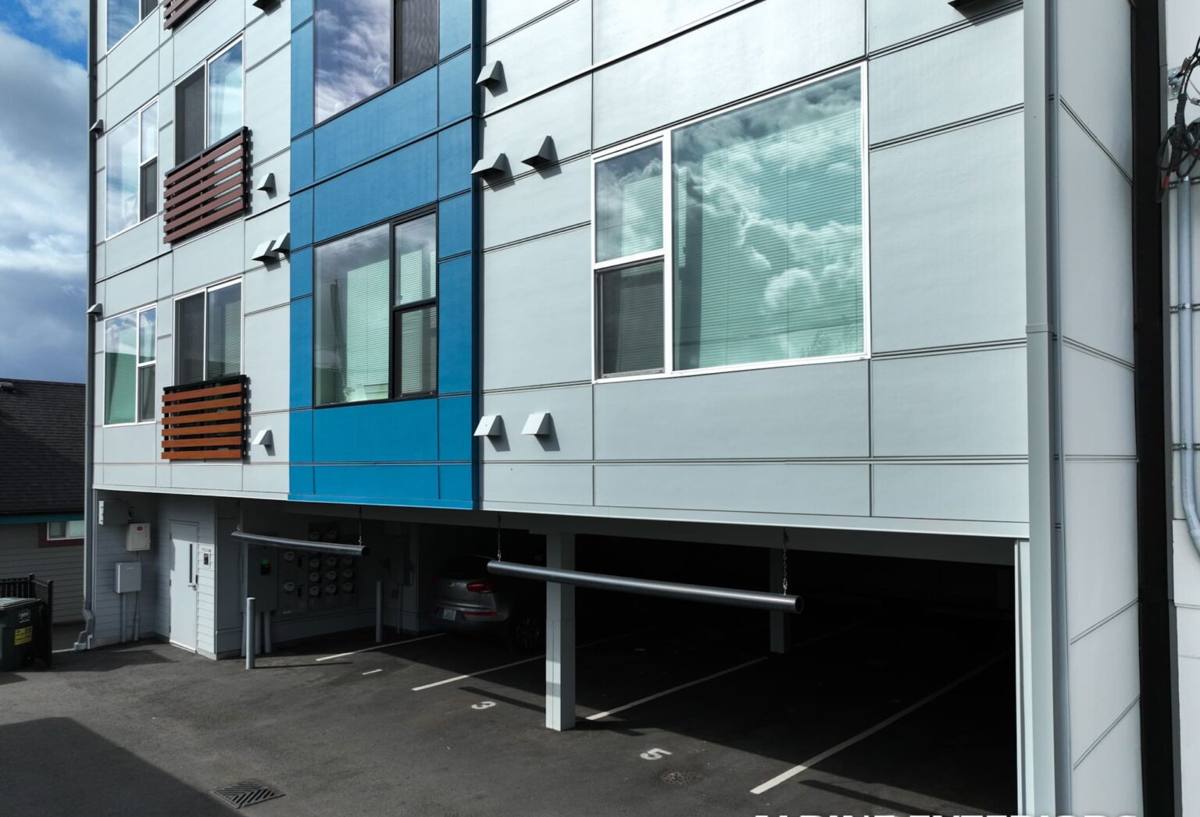
What Fruitville Homes Actually Need From a Siding Repair
A correct repair does three things at once: it fixes the visible damage, it re-establishes the home's water management (flashing, laps, caulking, and drainage paths), and it matches the surrounding material so the repair doesn't stand out as a patch. Skipping any one of those means the repair is temporary.
- Damaged or cracked panels replaced with material that matches thickness, profile, and exposure
- Flashing and house wrap behind the repair inspected and corrected, not just covered
- Fastener pattern rebuilt to code-correct spacing, not just "close enough"
- Caulking and joint treatment done with the right sealant for the material and location
- Finish color and sheen matched so the repair blends rather than patches
Common Siding Problems We See on Fruitville Homes
Wind-Loosened or Cracked Panels
Sustained wind and gusts during storm season can work siding panels loose at the fastener points, especially on corners and gable ends where wind pressure concentrates. Once a panel is loose, it flexes in every subsequent wind event and the damage compounds.
Moisture Intrusion Behind the Siding
Wind-driven rain doesn't need a big gap to get behind siding — a failed caulk joint, a poorly lapped seam, or trim that's separated from the wall is enough. Once water gets behind the cladding, the sheathing and framing underneath are at risk, and the visible siding damage is often the smallest part of the problem.
UV and Sun Degradation
Southern and western exposures in Sarasota County take a disproportionate amount of UV. On lower-quality or improperly finished siding, this shows up as chalking, fading, and finish breakdown well before the material itself is worn out.
Salt Air Corrosion at Fasteners and Trim
Even away from the immediate coastline, airborne salt accelerates corrosion on exposed fasteners, trim connectors, and any metal flashing that isn't rated for coastal exposure. Corroded fasteners lose holding power long before they look obviously rusted.
Repair vs. Replace: How We Make the Call
Not every damaged section needs a full re-side, and not every repair is worth doing instead of replacing a wall section outright. The right call depends on how widespread the damage is and what's happening behind the siding.
| Factor | Favors Repair | Favors Replacement |
|---|---|---|
| Extent of damage | Isolated panels or a single wall section | Damage spread across multiple elevations |
| Underlying sheathing | Dry, sound substrate | Soft, stained, or water-damaged sheathing |
| Material match | Current siding still available or closely matchable | Discontinued profile or badly faded color |
| Age of existing siding | Siding is well within its service life | Siding is near or past its expected lifespan |
| Root cause | Isolated storm or impact damage | Systemic water management failure |
We'll tell you honestly which category your home falls into. There's no benefit to us talking a homeowner into a full re-side when a targeted repair will hold up — and no benefit to patching over a problem that's going to come back.
Our Repair Process
1. Inspection Beyond the Visible Damage
We start by looking at what caused the damage, not just what it looks like. That means checking behind affected panels for moisture, evaluating flashing and trim condition, and identifying whether the problem is isolated or a symptom of a bigger water-management issue.
2. Honest Scope and Estimate
You get a clear explanation of what's damaged, what's causing it, and what it will take to fix correctly — including if the honest answer is that a small section should become a slightly larger repair to properly tie into sound material.
3. Correct Material Preparation
Before any new siding goes on, we make sure the substrate is dry and sound, house wrap or weather barrier is intact, and flashing details are rebuilt to shed water the way they're supposed to.
4. Repair and Reinstallation
New material is installed to manufacturer spec — proper fastener type, spacing, and clearance — with laps and joints treated correctly for this climate, not just caulked and painted over.
5. Finish Match and Final Check
We match color and finish as closely as the existing siding allows and do a final water-management check before calling the job done.
Why We Repair With James Hardie Fiber Cement — and Not Vinyl, LP, or Cedar
When a siding repair calls for new material, what goes into that wall matters as much as the workmanship. We install James Hardie fiber cement siding exclusively — we don't install vinyl, LP SmartSide, Cemplank, Allura, primed spruce, or cedar, and that's a deliberate standard, not an oversight.
Vinyl siding softens and can warp under sustained heat and direct sun, which is a real liability on south- and west-facing Fruitville walls, and it has limited ability to resist wind-driven debris. Wood-based products like cedar or primed spruce look good going up but demand ongoing maintenance to stay ahead of moisture and rot in a climate this humid. LP SmartSide and other engineered wood products can perform well when installation and maintenance are followed to the letter, but any lapse in caulking or paint upkeep opens the door to moisture damage at the wood substrate. Competing fiber cement products from other manufacturers can be reasonable options, but we've standardized on Hardie specifically for its climate-engineered HZ5 product line, factory-applied ColorPlus finish that resists UV fade far better than field-applied paint, and a warranty structure built around fiber cement that's non-combustible and dimensionally stable in heat and humidity. For a repair, that consistency matters — you want the patched section performing the same way, and holding up the same way, as the rest of the wall for decades, not just until the next storm season.
Why Hiring a Crew That Already Works Fruitville Matters
Siding repair looks straightforward from the outside, but the details that make it last are specific to this area: the wind-load and fastening requirements that apply in Sarasota County, how to detail flashing so it holds up against wind-driven rain rather than just typical weather, and choosing sealants and materials that don't break down under near-constant UV and salt air. A crew that regularly works in and around Fruitville has already worked through those details on other homes nearby — they're not learning the local building department's expectations or this climate's failure points on your project.
Local familiarity also means faster, more accurate estimates. We know what siding profiles and colors are common on homes in this area, which speeds up material matching, and we understand what inspectors here are looking for so the repair passes the first time.
Questions to Ask Before You Hire a Siding Repair Contractor
- Will you inspect behind the damaged panels, or only patch what's visible?
- What caused this damage, and will the repair address the cause or just the symptom?
- What fastener type and spacing will you use, and is it rated for this wind zone?
- How will you match the existing siding's profile, color, and finish?
- What warranty applies to the repaired section, and does it match the original installation's warranty?
- Are you licensed and insured to work in Sarasota County?
Protecting the Repair Going Forward
Once a repair is done correctly, keeping it that way is mostly about routine attention: rinsing accumulated salt film off the siding periodically, checking caulked joints and trim connections after major storms, and addressing any new cracks or gaps before the next wind-driven rain event finds them. A properly repaired and maintained Hardie installation should give you decades of service in this climate — the goal is a repair you never have to think about again.
If you're dealing with damaged, cracked, or water-stained siding on a Fruitville home, we're happy to take a look and give you a straight assessment — no pressure, no upsell, just an honest read on what your siding needs. Request a free estimate using the form below.