 Sarasota Roofing
 Siding That Can Actually Handle Fruitville's Climate
Fruitville homes deal with a specific mix of weather stress that most siding products were never designed for. Sarasota County sees intense, near-constant UV exposure that fades and breaks down cheaper materials year after year. Summer storms bring wind-driven rain that finds every gap in a poorly flashed wall system. Hurricane season puts real wind-load and impact demands on exterior cladding, not just the roof. And even though Fruitville sits inland from the immediate coastline, salt-laden air still moves through the region and slowly corrodes fasteners, warps untreated wood trim, and accelerates the failure of products that aren't built for a marine-influenced climate.
Siding installation here isn't just a cosmetic upgrade. It's the first line of defense for the wall assembly underneath — the sheathing, the framing, the insulation. When it's installed wrong, or when the wrong product is used, homeowners don't find out until there's already moisture damage behind the wall. This page focuses specifically on what siding installation looks like when it's done right for a Fruitville home, and why the details matter more here than in a milder climate.
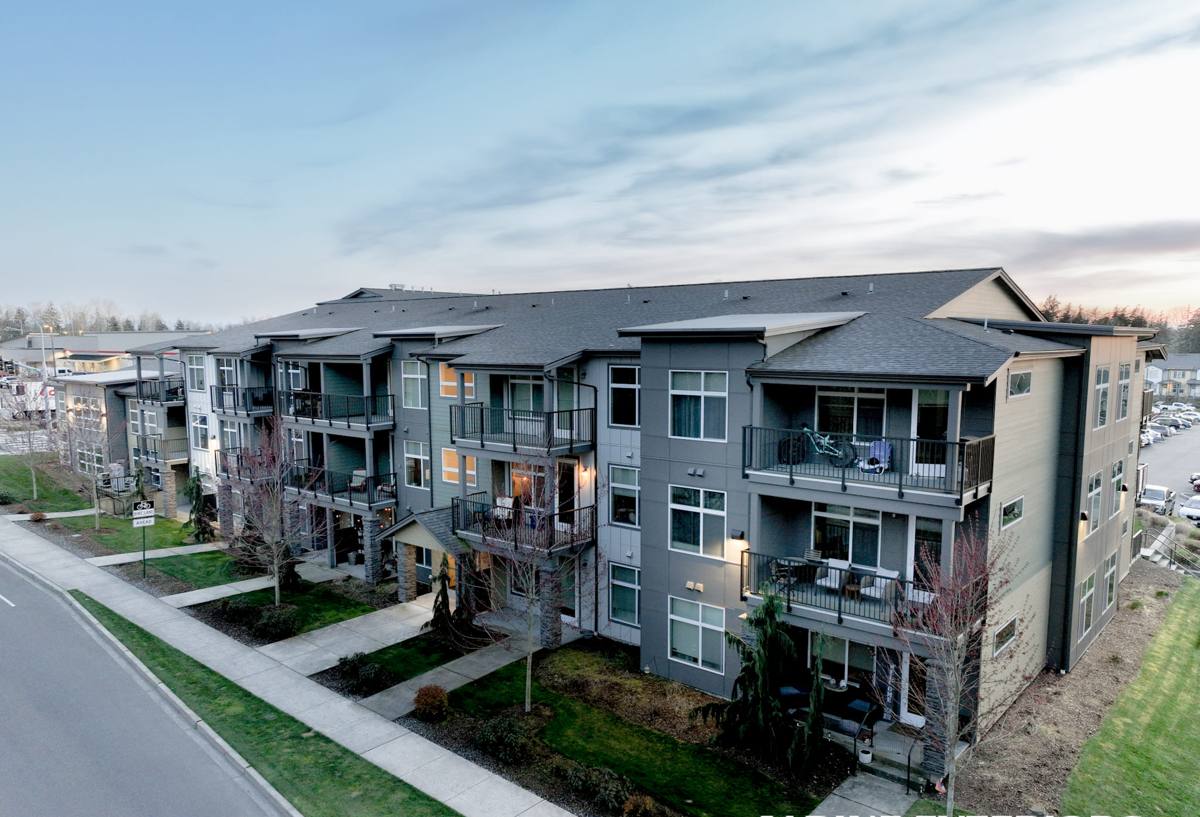
What Correct Siding Installation Actually Involves
Siding is a system, not just a surface. The board or panel you see is the last piece of a layered assembly that has to work together to keep water out and let any moisture that does get in escape. Skipping steps in this system is the single biggest reason siding fails early in Southwest Florida, long before the material itself would have worn out.
Moisture Management Behind the Siding
A correctly installed weather-resistive barrier, properly lapped and sealed at every seam, penetration, and window opening, is what actually keeps wind-driven rain out of the wall cavity. Flashing at windows, doors, and any wall penetration has to be integrated with that barrier in the right order — flashing tucked behind the barrier above it and over the barrier below it, so water always sheds outward and down. Get this sequence backwards and you've built a funnel instead of a barrier.
Fastening, Clearances, and Joints
Fiber cement siding has specific fastening requirements — nail type, spacing, and penetration depth all affect how the siding performs in high wind. Ground clearance and clearance from roof lines, decks, and patios need to be maintained so the bottom edge of the siding isn't sitting in standing water or splash-back. Butt joints between boards need to be caulked or flashed correctly, and expansion gaps have to be respected so the material isn't fighting itself as temperatures swing through a Florida summer.
None of this is visible once the job is finished. It's also exactly where corner-cutting shows up two or three years later as staining, buckling, or soft spots around windows.
Why We Install Only James Hardie Fiber Cement Siding
We made a deliberate decision to install one product line — James Hardie fiber cement siding — and nothing else. Not vinyl, not LP SmartSide, not Cemplank, not primed wood. That's not a marketing position; it's a standard we set based on what actually holds up under Gulf Coast conditions and what we're willing to warranty our labor against.
Fiber cement is non-combustible, which matters in a state where wildfire risk and building codes both push toward fire-resistant exteriors. Hardie's factory-applied ColorPlus finish is baked on under controlled conditions, which gives it far better color retention under intense UV than field-applied paint. And Hardie engineers specific product lines, including HZ5 formulations, for high-humidity, storm-exposed climates like ours — the material is formulated to resist moisture-related swelling and cracking better than general-purpose fiber cement or wood-based alternatives.
We're not going to tell you every other siding product is junk — that's not honest, and it's not the point. Vinyl is cheap and easy to install, but it deforms in high heat and doesn't stand up well to windborne debris. LP SmartSide and other wood-strand products depend heavily on perfect field sealing at every cut edge to resist moisture, and that margin for error is thin in a climate this wet and hot. Primed spruce or cedar looks great initially but demands a repainting and caulking schedule most homeowners underestimate. We standardized on Hardie because it gives Fruitville homeowners the best combination of storm performance, low maintenance, and a warranty structure that's actually meaningful, and we'd rather install one product exceptionally well than several products adequately.
Our Siding Installation Process for Fruitville Homes
- On-site assessment. We inspect the existing siding, sheathing, and trim to identify any moisture damage, rot, or structural issues that need to be addressed before new siding goes on — installing over a compromised wall assembly just hides a bigger problem.
- Product and profile selection. We walk through Hardie's board profiles (lap, shingle-style, panel) and color options so the final look fits the home and the neighborhood.
- Tear-off and substrate repair. Old siding comes off, damaged sheathing or framing gets repaired, and the wall is brought back to a sound, dry starting point.
- Weather-resistive barrier and flashing. A new barrier is installed and properly lapped, with flashing integrated at every window, door, and penetration before any siding goes up.
- Siding installation to manufacturer spec. Boards are fastened, spaced, and joined according to James Hardie's published installation requirements — not shortcuts, not "close enough."
- Trim, caulking, and final detailing. Corners, trim boards, and joints are sealed correctly so water has nowhere to travel behind the finished surface.
- Final walkthrough. We go over the finished job with the homeowner and confirm everything meets both Hardie's installation standards and our own.
Signs Your Fruitville Home May Need New Siding
Siding damage in this climate doesn't always announce itself. A lot of the warning signs are subtle until they aren't. Watch for:
- Visible warping, buckling, or waviness in the siding surface
- Soft or spongy spots when you press on the siding near the bottom edge or around windows
- Peeling, bubbling, or chronically fading paint that won't hold new coats
- Staining or streaking that keeps returning after cleaning, especially near seams
- Gaps opening up at corners, trim boards, or butt joints
- Rising utility bills that suggest the wall assembly is losing its insulating value
- Visible rot, mold, or a musty smell along interior walls that share an exterior wall with damaged siding
Any one of these on its own might just need a repair. Several of them together usually means the underlying wall system — not just the surface material — needs attention.
What Affects the Cost of Your Siding Installation
Every home is different, so we don't quote pricing sight unseen, but the factors that move the number are consistent. This is meant to help you understand what you're paying for, not to replace an actual estimate.
| Factor | Why It Matters | Effect on the Project |
|---|---|---|
| Substrate condition | Rot or moisture damage found under old siding has to be repaired before new siding goes on | Adds material and labor beyond the siding itself |
| Home size and complexity | More corners, dormers, and trim detail mean more cutting, fitting, and flashing work | Increases labor time relative to simple, flat elevations |
| Siding profile chosen | Lap, shingle-style, and panel profiles have different material and install requirements | Changes material cost and installation complexity |
| Trim and detail work | Window surrounds, corner boards, and fascia detailing add finish-level labor | Adds cost but significantly affects curb appeal and durability |
| Access and site conditions | Multi-story sections, tight lot lines, and landscaping can affect equipment and staging | May add labor time or require additional equipment |
Why Local Fruitville Experience Matters
A crew that already works in and around Fruitville knows what Sarasota County's inspection process expects, understands how the local building codes address wind resistance for this region, and has already seen how homes in this area age under Gulf Coast sun and humidity. That's different from a crew that installs siding occasionally as one of several services, or one that's used to a different climate's demands.
Familiarity with the area also means fewer surprises during the project — knowing what substrate conditions tend to show up on homes of a certain age in this part of Sarasota County, understanding typical lot layouts and access constraints, and being able to schedule around Florida's storm season rather than getting caught mid-project by it. Hiring a crew with that local track record isn't a nice-to-have; it directly affects whether the job gets done right the first time.
Living With Your New Siding
One of the practical advantages of James Hardie fiber cement is how little ongoing maintenance it demands compared to wood or vinyl once it's properly installed. It won't rot, it resists pests, and the factory-applied ColorPlus finish is designed to hold its color far longer than field-applied paint under intense Florida UV. That doesn't mean zero maintenance — periodic rinsing to clear salt residue and organic buildup, and keeping an eye on caulked joints over the years, is still good practice in this climate. But it's a meaningfully lighter maintenance load than most alternatives, which matters when you're weighing long-term cost, not just the installation price.
James Hardie also backs its products with a transferable limited warranty, which adds real value if you sell the home down the line — a documented, professionally installed Hardie system is something a buyer's inspector will recognize as a solid investment rather than a question mark.
If your Fruitville home's siding is showing its age, or you're planning ahead of storm season and want to know where you stand, we're happy to take a look and walk you through what we find. There's no pressure and no obligation — just a straightforward assessment and a free estimate based on your home's actual condition.