 Sarasota Roofing
 Why Windows in Fruitville Take More Punishment Than People Expect
Fruitville sits inland from the Gulf compared to the barrier islands, but it's still Sarasota County, and it still gets the full weather package: hurricane-force wind events, intense UV exposure nearly year-round, wind-driven rain that finds every gap in a window's seal, and salt-laden air that works its way in from the coast on a normal breeze. None of that stops at the city line. Windows here fail for the same reasons they fail closer to the water — just sometimes a little slower.
What actually wears out a window in this climate isn't usually one dramatic event. It's the accumulation: UV breaking down seals and vinyl over years, humidity cycling in and out of the frame, and wind loads flexing glass and hardware every storm season. A window that was installed correctly can shrug most of that off for decades. A window that was installed with a shortcut — bad flashing, wrong fasteners, gaps behind the trim — tends to show it within a few years, usually as a leak, a fogged pane, or a frame that won't latch square anymore.
What "Correct" Actually Means for a Window Installation
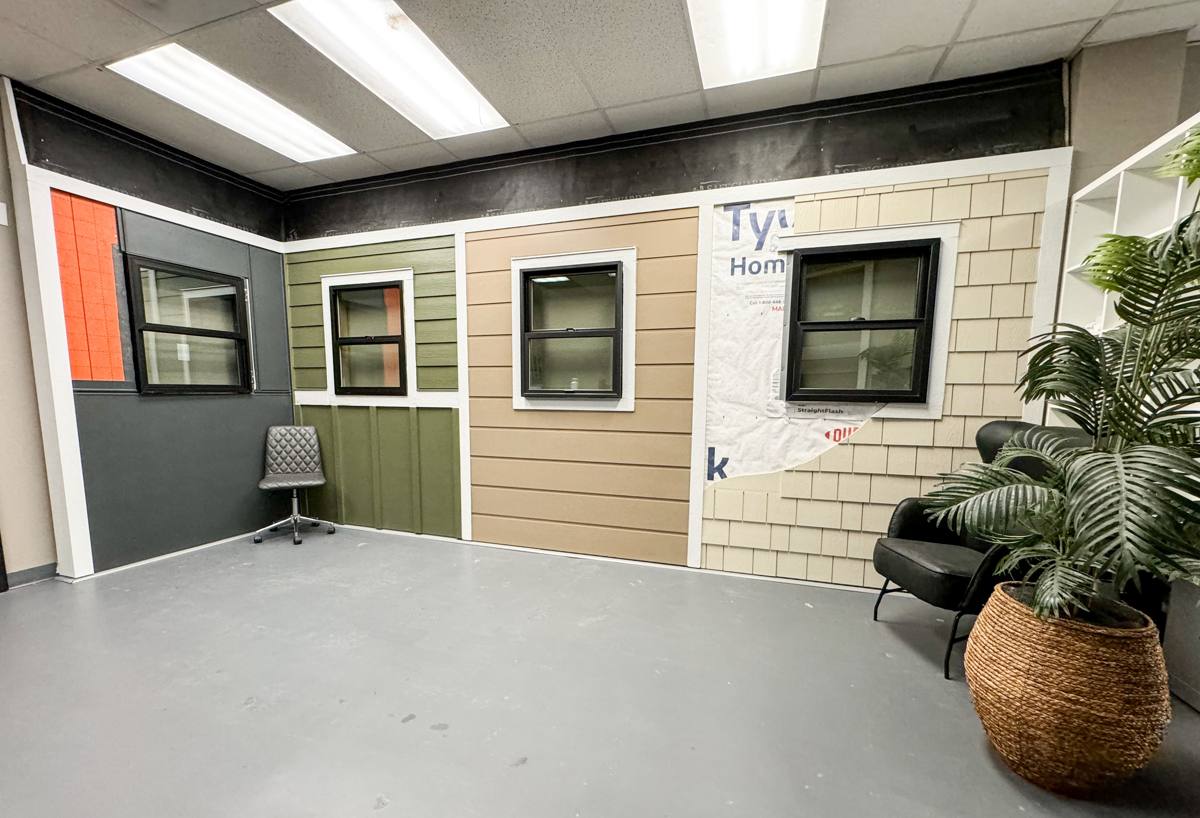
A lot of window problems aren't product problems — they're installation problems. The window itself can be a good one and still fail if it wasn't set, flashed, and sealed correctly for this climate. There are a few things that matter more here than they would in a drier, calmer part of the country.
Impact-Rated Glass and Florida Building Code
Sarasota County falls within Florida's High-Velocity Hurricane Zone design pressure requirements for much of the region, and window products installed here need to meet the wind-load and impact standards that apply to your specific home and elevation. That means the glass, the frame, and the anchoring all have to be rated and installed as a system — not just a strong pane dropped into a stock frame. We pull permits and install to the pressure ratings your home actually requires, not a generic minimum.
Proper Flashing and Water Management
Wind-driven rain doesn't fall straight down — it gets pushed sideways into the wall assembly during a storm. A window opening needs flashing tape and sealant details that direct any water that gets past the frame back out, not into the wall cavity. This is the step that gets rushed on fast jobs, and it's the one that causes hidden rot and drywall damage that doesn't show up until a year or two later.
Sealing, Insulation, and UV-Stable Materials
Low-quality sealants and vinyl components break down under constant UV exposure faster here than in most of the country. We use sealants and frame materials rated for sustained sun exposure, and we insulate the gap around the frame properly instead of relying on caulk alone to do a foam gap's job.
Choosing the Right Frame Material for a Fruitville Home
There's no single "best" window material — the right choice depends on your home's exposure, your budget, and how much upkeep you want to do. Here's how the common options actually compare for this climate:
| Frame Material | Coastal/UV Durability | Maintenance | Typical Cost Position |
|---|---|---|---|
| Vinyl | Good; quality varies a lot by manufacturer | Low | Lower to mid |
| Aluminum | Very good structurally; needs a quality finish to resist corrosion | Low to moderate | Mid |
| Fiberglass | Excellent; very stable under UV and heat cycling | Low | Higher |
| Wood-clad | Attractive but the most exposure-sensitive; needs a well-maintained exterior clad | Higher | Higher |
Most Fruitville homeowners land on vinyl or fiberglass for the balance of cost and low maintenance. Aluminum still shows up on larger openings and commercial-adjacent properties where its strength-to-frame-width ratio matters. We'll walk you through what makes sense for your specific openings rather than pushing one material across the board.
Signs Your Windows Are Past Their Useful Life
Homeowners often live with a failing window for years because the signs are gradual. Worth checking for:
- Fogging or a permanent haze between panes on double-pane units (a sign the seal has failed)
- Difficulty opening, closing, or locking — frames can warp slightly from heat and humidity cycling
- Visible daylight or a draft around the frame when the window is shut
- Soft trim, staining, or a musty smell near the window after heavy rain
- Noticeably higher cooling bills without another clear cause
- Chalky, brittle, or cracking vinyl or sealant on the exterior frame
- Condensation forming on the inside of the glass regularly, even with normal indoor humidity
Any one of these is worth a look. Several together usually means it's time to talk about replacement rather than another round of caulk and patch.
Our Custom Window Process
1. On-Site Assessment and Measurement
We start at your home, not with a phone estimate. Every opening gets measured individually — older homes especially rarely have perfectly uniform openings, and a window ordered to the wrong dimension is the single most common cause of installation headaches.
2. Product Selection Based on Exposure
We talk through which elevations of your home take the most direct sun, wind, and rain, and match glass and frame choices accordingly. A window on a sheltered north-facing wall doesn't need to carry the same spec as one on an exposed, storm-facing side.
3. Permitting
Window replacement in Sarasota County generally requires a permit, and impact-rated installations need to document the pressure rating used. We handle the permit process as part of the job so you're not left tracking down inspections yourself.
4. Installation Day
Old windows come out, the opening gets inspected for hidden rot or water damage before anything new goes in, flashing and sealant are applied per manufacturer and code specification, and the new window is set, shimmed level and square, and secured to the fastening schedule the product rating requires.
5. Final Inspection, Cleanup, and Walkthrough
We check operation on every window, confirm the seals and trim look right, clean up the work area, and walk you through anything you should know about care or warranty coverage before we consider the job done.
What Drives the Cost of a Custom Window Job
"Custom" pricing varies more than almost any other exterior project because so many factors are specific to your home. Rather than throw out a number that won't hold up once we see your openings, here's what actually moves the price:
| Cost Factor | Why It Matters |
|---|---|
| Impact rating required | Higher wind-pressure zones and larger openings need heavier glass and frame construction |
| Number and size of openings | Larger and non-standard sizes cost more to manufacture and install |
| Frame material chosen | Vinyl, aluminum, fiberglass, and wood-clad all sit at different price points |
| Existing opening condition | Rot or water damage found during removal adds repair work before the new window goes in |
| Permitting and inspection | Part of every legitimate installation in the county; skipping it isn't a real savings |
| Grid, tint, or specialty glass options | Decorative and performance upgrades add cost on top of the base unit |
We give you a real, itemized number after we've actually looked at your windows — not a per-window average that falls apart once the job starts.
Why Hiring a Crew That Already Works in Fruitville Matters
Window installation done right depends on knowing what a given climate and code jurisdiction actually demand — not just following a national instruction sheet. A crew that regularly works in and around Sarasota County already knows the permitting process, the wind-pressure documentation inspectors expect to see, and the water-management details that matter for this specific mix of sun, salt, and storm exposure. That familiarity shows up in fewer surprises during the job and fewer callbacks after it.
It also means we're not guessing at how your home's construction era or exposure typically behaves. Homes in this area come in a real mix of ages and building styles, and each one has its own quirks around framing, stucco returns, and existing trim details. Experience with that variety, rather than a single production-home template, is what keeps an installation from turning into a series of on-site improvisations.
Caring for Your Windows After Installation
A correctly installed window in this climate still benefits from a little upkeep:
- Rinse frames and glass periodically to clear salt residue, especially after wind events
- Inspect exterior sealant and caulk lines once a year for cracking or gaps
- Keep weep holes on the exterior frame clear of dirt and debris so water can drain properly
- Operate locks and hardware a few times a year to keep mechanisms from sticking
- Have any fogging, sticking, or soft trim looked at early rather than waiting
None of this is heavy maintenance — it's the kind of five-minute check that catches a small problem before it becomes a wall repair.
Ready to Talk About Your Windows?
If your Fruitville home's windows are original, aging, or just not holding up the way they should against Sarasota's wind, rain, and sun, we're happy to take a look and give you an honest read on what's going on and what your options are. Fill out the form below for a free, no-pressure estimate — no obligation, just a straight answer about what your windows actually need.