 Sarasota Roofing
 Building a Deck That Actually Holds Up in Fruitville
Fruitville sits inland from the coast but still lives under the same Gulf Coast weather that shapes every outdoor structure in Sarasota County — hurricane-force winds during storm season, intense year-round UV that never really lets up, wind-driven rain that finds its way into every gap and seam, and salt-laden air that corrodes hardware faster than most homeowners expect. A deck built to generic national standards, or built by a crew that mostly works somewhere else, tends to show its weaknesses here within a few seasons: cupped boards, rusted fasteners, loose railings, soft spots where water sat too long. A deck built correctly for this climate looks and performs the same way five and ten years out as it did on day one.
This page is about one thing: custom deck construction for Fruitville homes, done the way this climate actually requires. Not a generic overview of decking in general — the specific decisions that matter when the deck you're building has to survive Sarasota County summers, storm seasons, and everything in between.
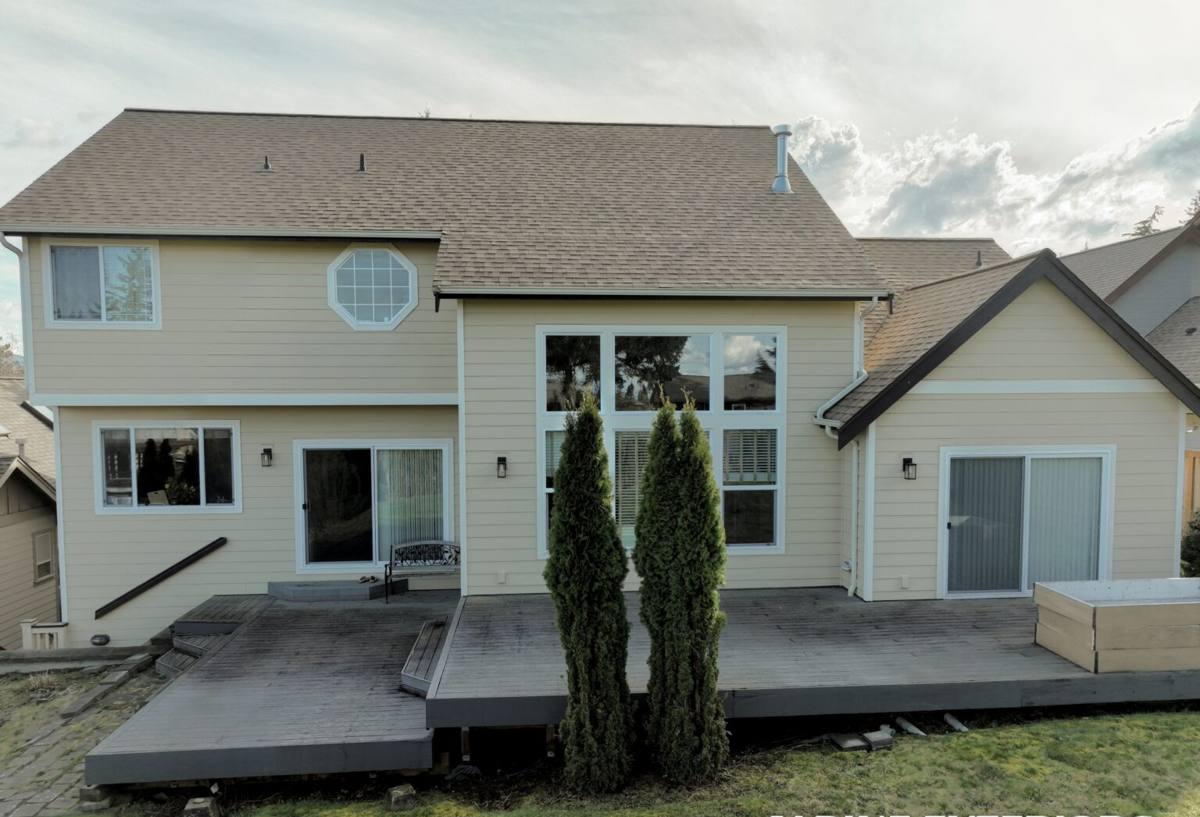
What Fruitville Homes Actually Need From a Deck
Most Fruitville properties are residential lots with a mix of mature tree cover and open sun exposure, which matters more than people think. A deck tucked under oak canopy deals with more organic debris, more shade-driven moisture retention, and slower drying after rain. A deck in full sun deals with surface temperatures that can make certain materials uncomfortable to walk on barefoot by midday and accelerates UV breakdown of any lower-grade material. Before we talk about boards or fasteners, we look at where the deck actually sits — sun exposure, drainage direction, proximity to the house's roofline and gutters, and how water moves across that part of the lot during a heavy summer downpour.
That site read drives real decisions: joist spacing and ventilation under the deck, whether we need to redirect roof runoff away from the structure, and how much airflow the framing needs to actually dry out between storms instead of staying damp for days.
Common Design Goals We Hear From Local Homeowners
- A low-maintenance surface that won't need refinishing every year in this sun
- Railing and fastener systems that won't rust or streak within a couple of seasons
- A deck that ties into the house's existing roofline, siding, or pool area cleanly
- Shade or partial cover options for a usable deck in July and August
- Enough structural margin to handle furniture, grills, and gatherings without flex
Choosing the Right Decking Material for This Climate
Material choice is the single biggest factor in how a Sarasota-area deck ages. There's no universally "best" decking material — there's a best material for a given budget, sun exposure, and maintenance appetite. Here's how the common options actually compare under real Gulf Coast conditions, not showroom conditions.
| Material | UV & Heat Behavior | Moisture & Salt Air | Maintenance |
|---|---|---|---|
| Pressure-treated wood | Fades and grays within 1-2 years without upkeep; can get hot but tolerable | Prone to warping and splitting if not sealed regularly | Annual cleaning and re-sealing recommended |
| Capped composite | Fade-resistant cap layer; some lines run noticeably warmer underfoot in full sun | Handles moisture and salt air well; capped shell resists staining | Occasional washing, no sealing or staining required |
| PVC decking | Very stable under UV and heat; minimal fading over time | Fully moisture-resistant, best option directly near pools or low, damp areas | Lowest maintenance of the three, periodic cleaning only |
| Tropical hardwoods | Naturally dense and UV-tolerant, but grays without oiling | Naturally moisture-resistant when properly installed and maintained | Requires periodic oiling to maintain color and protect the surface |
We walk every Fruitville homeowner through this trade-off honestly. If budget is the priority and you're willing to stay on top of sealing, treated wood is a legitimate choice. If low-maintenance, long-term performance in full Florida sun is the priority, composite or PVC earns its higher upfront cost. We don't push one product line as a blanket recommendation — the right call depends on your specific site, sun exposure, and how much upkeep you actually want to do.
Framing and Fasteners: Where Budget Decks Fail First
The decking surface is what you see, but the framing and hardware underneath are what determine whether the deck survives a hurricane season intact. This is also where corner-cutting shows up first, because it's hidden.
Footings and Post Anchors
Post footings need to be sized and set to actual local soil conditions and frost-free depth requirements, with post bases anchored mechanically rather than just set in concrete. In wind events, uplift on a deck structure is a real load path — proper post-to-footing and post-to-beam connections are what keep a deck from racking or lifting at the corners during sustained high winds.
Fasteners and Hardware in Salt Air
Standard galvanized fasteners corrode faster near the Gulf Coast than most homeowners expect, especially in structures exposed to open air and wind-driven rain. We use stainless steel or coated fasteners rated for coastal exposure, along with hurricane ties and structural connectors at key framing points — not because it's required everywhere, but because it's the difference between hardware that's still tight in eight years and hardware that's rust-streaked and loosening in three.
Ledger Attachment
Where a deck attaches to the house, the ledger board connection is one of the most common failure points nationally, and even more so where wind-driven rain regularly drives moisture behind ledger boards that weren't flashed correctly. Proper flashing, waterproof membrane, and through-bolted connections at the ledger keep water out of the house's structure and keep the deck's primary connection point solid.
Permits and Wind Load Requirements in Sarasota County
Sarasota County enforces Florida Building Code wind load and construction standards, and most custom deck projects in the Fruitville area require a permit, particularly for structures over a certain height, attached decks, or anything involving structural framing changes to the house. Permit review typically checks footing depth and spacing, structural connections, guard and railing heights, and stair geometry.
Skipping permitting on a deck project might save time upfront, but it creates real problems later — unpermitted structural work can complicate a home sale, cause issues with insurance claims after storm damage, and in some cases require the deck to be torn out and rebuilt to code. We handle the permitting and inspection process as part of the job, so you're not left tracking down county requirements yourself.
Our Custom Deck Process, Start to Finish
- Site visit and design consultation — we walk the property, discuss how you'll actually use the space, and talk through material and layout options honestly, including trade-offs.
- Structural design and material selection — footing layout, framing plan, and decking material are finalized based on your site conditions and budget.
- Permit submission — we prepare and submit the permit package to Sarasota County and schedule required inspections.
- Framing and structural build — footings, posts, beams, and joists go in first, built to the load and fastener standards this climate requires.
- Decking, railing, and finish work — surface material, railings, stairs, and any lighting or accessories are installed and detailed.
- Final walkthrough and inspection — we review the finished deck with you and confirm final county inspection sign-off.
Every step is sequenced so nothing gets covered up or finished before it's been done correctly — framing gets inspected before decking goes down, and flashing gets checked before it's hidden behind trim.
Maintenance: Keeping a Deck Sound Through Florida Summers
Even a well-built deck needs some ongoing attention in this climate. Salt air, humidity, and intense sun don't stop working on a structure just because it was installed correctly. A short seasonal routine goes a long way toward protecting the investment.
- Rinse the deck surface periodically to clear salt residue, pollen, and organic debris before it stains or holds moisture
- Check fastener heads and railing connections at least once a year for early signs of corrosion or looseness
- Inspect under the deck after major storms for standing water, debris buildup, or framing movement
- Re-seal or re-oil wood decking on the manufacturer-recommended schedule — don't wait until it's visibly gray and dry
- Keep gutters and downspouts near the deck clear so roof runoff isn't dumping extra water onto or under the structure
- Trim back overhanging vegetation that keeps sections of the deck shaded and slow to dry after rain
Why a Crew That Already Works Fruitville Matters
Deck construction that ignores local conditions tends to look fine at handoff and fall apart in the details over the next few years — the fastener that wasn't rated for salt air, the footing depth that wasn't matched to local soil, the permit step that got skipped and surfaces later during a home sale or insurance claim. A crew that regularly works in Fruitville and across Sarasota County already knows the county's permitting process, has a working sense of how different lots in the area drain and how sun exposure varies block to block, and has already seen which material and hardware choices actually hold up here versus which ones just look good in a showroom.
That familiarity shows up in fewer surprises during the project and a deck that's built for the conditions it will actually face, not generic conditions from a manufacturer's spec sheet written for a different climate entirely.
Get a Straight Answer on Your Deck Project
If you're planning a new deck or replacing one that hasn't held up to Sarasota's weather, we're glad to take a look and give you an honest read on material options, structural needs, and what the project will realistically involve for your property. Reach out using the form below for a free, no-pressure estimate.