 Sarasota Roofing
 Decking Built for How Fruitville Actually Weathers
Fruitville homeowners ask us for composite decking for a simple reason: a deck here doesn't just sit outside, it gets worked over. Between the sun overhead most of the year, the humidity that never really leaves, the wind-driven rain that comes sideways during a summer storm, and the salt air that drifts inland from the Gulf, a deck in this part of Sarasota County earns its keep. Composite decking, installed correctly, is built to take that punishment without the constant upkeep a wood deck demands.
This page covers composite decking specifically for Fruitville properties — what the local climate does to a deck, what a correct installation looks like, and why the details matter more here than they would somewhere with a milder climate.
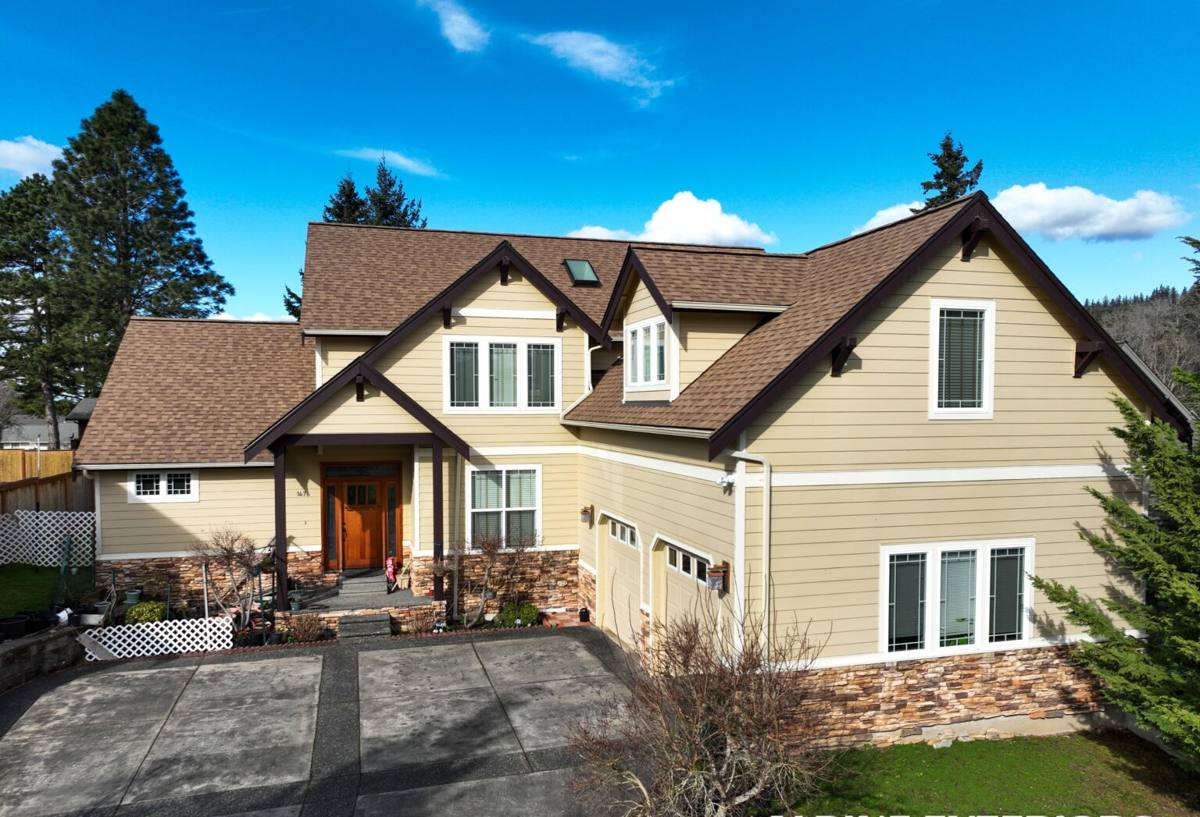
What Sarasota's Climate Does to an Outdoor Deck
Sun and UV Exposure
Florida sun is intense and it's out year-round, not just in summer. UV breaks down cheap plastics, fades color, and dries out wood fibers until boards crack and splinter. A deck facing west or south with no shade will take the worst of it, and that exposure never really lets up the way it would in a northern climate.
Humidity and Wind-Driven Rain
High humidity keeps moisture in contact with decking materials for longer stretches than most parts of the country ever see. Add wind-driven rain during a storm and water gets pushed into joints, fastener holes, and end grain that would normally stay dry. That's where wood rot and mold problems start, and where poor drainage under the deck becomes a real issue instead of a theoretical one.
Salt Air
Fruitville sits close enough to the coast that salt air is part of the equation, even without being beachfront. Salt accelerates corrosion in fasteners and hardware, which is why the metal components under a deck matter just as much as the boards on top.
Hurricane-Force Wind
Sarasota County sees tropical systems and the occasional direct hit. A deck attached to the house needs a ledger connection, framing, and railing that can take real wind load — not just support foot traffic on a calm day.
Why Composite Decking Fits This Environment
Composite decking is engineered wood fiber and plastic, and the better products are capped on all four sides with a protective shell. That construction is a good match for what Fruitville's climate throws at a deck. Here's how it stacks up against solid wood on the factors that actually matter here:
| Factor | Solid Wood Decking | Capped Composite Decking |
|---|---|---|
| Moisture absorption | Absorbs water, swells and shrinks with humidity | Resists moisture penetration at the cap layer |
| UV fade / sun damage | Grays, dries, and splinters without regular refinishing | Color is engineered to resist fading; still fades some over years |
| Rot and insect damage | Vulnerable, especially in humid, shaded areas | Not susceptible to rot or termite damage |
| Maintenance | Sanding, staining, sealing on a recurring schedule | Periodic washing; no sealing or staining required |
| Fastener corrosion risk | Depends entirely on hardware chosen | Same risk — hardware selection still matters |
| Typical lifespan with proper install | Shorter without diligent upkeep | Longer, backed by manufacturer warranties |
Composite isn't maintenance-free, and it isn't the right call for every budget or every homeowner's taste — some people genuinely prefer the look and feel of real wood and are willing to keep up with it. But for Fruitville's climate specifically, composite removes the two biggest failure points wood struggles with here: constant moisture exposure and relentless UV.
What a Correct Composite Deck Installation Involves
The Substructure Underneath
The boards get the attention, but the framing underneath is what determines whether a deck lasts. Joists, beams, and posts need to be sized and spaced correctly for composite's weight and flex characteristics, which aren't identical to solid wood. Pressure-treated or coated framing lumber matters here — untreated substructure in this humidity is asking for trouble even if the decking on top is composite.
Fasteners and Hardware
Given the salt air and humidity, we don't cut corners on hardware. Stainless steel or coated, corrosion-resistant fasteners and structural connectors are worth the extra cost, because replacing a deck board is a lot easier than replacing a failed structural connection.
Ledger Board and Flashing
If the deck attaches to the house, the ledger board connection is the single most important structural and waterproofing detail on the whole project. Proper flashing keeps wind-driven rain from working its way behind the ledger and into the house's wall structure — a mistake here causes hidden water damage long before anyone notices a problem on the surface.
Board Spacing and Expansion Gaps
Composite boards expand and contract with heat and humidity swings. Gaps between boards and at end joints need to be set correctly for our temperature range, not just eyeballed — too tight and boards buckle in the summer heat, too loose and it looks sloppy and traps debris.
Ventilation and Drainage Underneath
Air needs to move under the deck. Poor ventilation traps humidity against the framing and accelerates problems even with rot-resistant materials on top. Grading and drainage around the deck's footprint also matter, so standing water isn't sitting against posts and footings after every storm.
Choosing the Right Board for Fruitville's Sun
Not all composite boards are built the same, and the differences matter more in a hot, sunny climate than they would elsewhere.
- Capped vs. uncapped composite: fully capped boards resist moisture and staining far better than older-generation uncapped composite, which can still absorb some moisture at cut ends.
- Color choice affects surface temperature: darker boards get noticeably hotter underfoot in direct Florida sun. Lighter and mid-tone colors stay more comfortable for barefoot use on a west-facing deck.
- Grain and texture: deeper wood-grain texture hides everyday wear and small debris better than a smooth, flat finish.
- Manufacturer warranty terms: warranties vary in what they cover — fade, staining, structural integrity — and for how long. Reading the actual terms matters more than the marketing on the box.
Our Process for a Fruitville Decking Project
- On-site assessment: we look at the attachment point, existing structure if there is one, grading, drainage, and sun exposure before recommending anything.
- Material and layout discussion: we walk through board options, color, railing style, and layout based on how the space will actually be used.
- Permitting: deck construction and modifications typically require a permit through the applicable local building department — we handle that step as part of the project.
- Demolition of the old deck, if applicable: removing failing wood decking and inspecting what's underneath before building on top of it.
- Framing and installation: substructure first, then decking, railing, and any stairs, with attention to the fastener and flashing details covered above.
- Final walkthrough: we go over the finished deck with you, including basic care so it stays looking right.
Maintaining a Composite Deck in This Climate
Composite cuts down maintenance dramatically compared to wood, but "low-maintenance" isn't "no-maintenance" — especially with the pollen, humidity, and salt air Fruitville deals with. A simple seasonal routine keeps a composite deck performing the way it's supposed to:
- Rinse or sweep off pollen, leaves, and debris regularly — organic buildup in gaps traps moisture and can lead to surface mold even on composite.
- Wash the deck surface periodically with soap and water or a manufacturer-approved cleaner to prevent mildew film, especially in shaded spots.
- Check railing connections and fasteners once or twice a year for corrosion or loosening, particularly after hurricane season.
- Keep gutters and downspouts near the deck clear so water isn't dumping directly onto or under the decking.
- Inspect under-deck ventilation isn't blocked by storage or overgrown landscaping.
- After any major storm, walk the deck and check the ledger connection, posts, and footings for movement or standing water.
Cost Factors to Understand Before You Budget
Every Fruitville deck project is different, so instead of a flat number, here's what actually moves the price up or down:
| Factor | Impact on Cost |
|---|---|
| Deck size and shape | Larger footprints and multi-level or wraparound designs cost more than a simple rectangle |
| Removal of an existing deck | Demolition and disposal of old wood decking adds to the project |
| Framing material | Pressure-treated vs. coated or composite substructure changes both cost and longevity |
| Board tier | Entry-level capped composite costs less than premium lines with enhanced fade and stain resistance |
| Railing style | Composite or aluminum railing systems cost more than basic options but hold up better in this climate |
| Site access and grading | Difficult access or drainage corrections add labor time |
| Permitting requirements | Varies by scope of work and local jurisdiction |
We'll walk through all of this during an estimate so you know exactly what's driving the number, rather than guessing at a per-square-foot figure that doesn't account for your specific property.
Why a Crew That Already Works Fruitville Matters
A deck built by someone unfamiliar with this area's soil, drainage patterns, storm exposure, and permitting process is more likely to run into avoidable problems. A crew that regularly works in and around Fruitville already knows how the local building department handles deck permits, what wind and moisture conditions the structure actually needs to withstand, and what installation shortcuts show up as failures a few storm seasons later. That familiarity translates into fewer surprises during the project and a deck that's built for the conditions it will actually face, not just the conditions on a spec sheet.
If you're considering a new composite deck or replacing a failing wood one in Fruitville, we're happy to take a look and give you a straightforward, no-pressure estimate — just fill out the form below to get started.