 Sarasota Roofing
 Why Siding Choice Matters More in Palmer Ranch Than It Looks
Palmer Ranch is one of the larger established planned communities in south Sarasota County, with homes ranging from properties built in the 1980s and 1990s through much newer construction. That mix means a lot of siding out there is well past the point where it's doing its job — faded, soft at the bottom edges, or patched in places where moisture finally won. Because many neighborhoods in this area include an HOA architectural review process, homeowners here also need siding decisions that hold up to both weather and community standards for years, not just something that looks good on installation day.
We install fiber cement siding for a living, and we only install one brand of it. This page is about what that actually means for a Palmer Ranch home specifically — not siding in general, but what your house is up against and what a correctly done job looks like here.
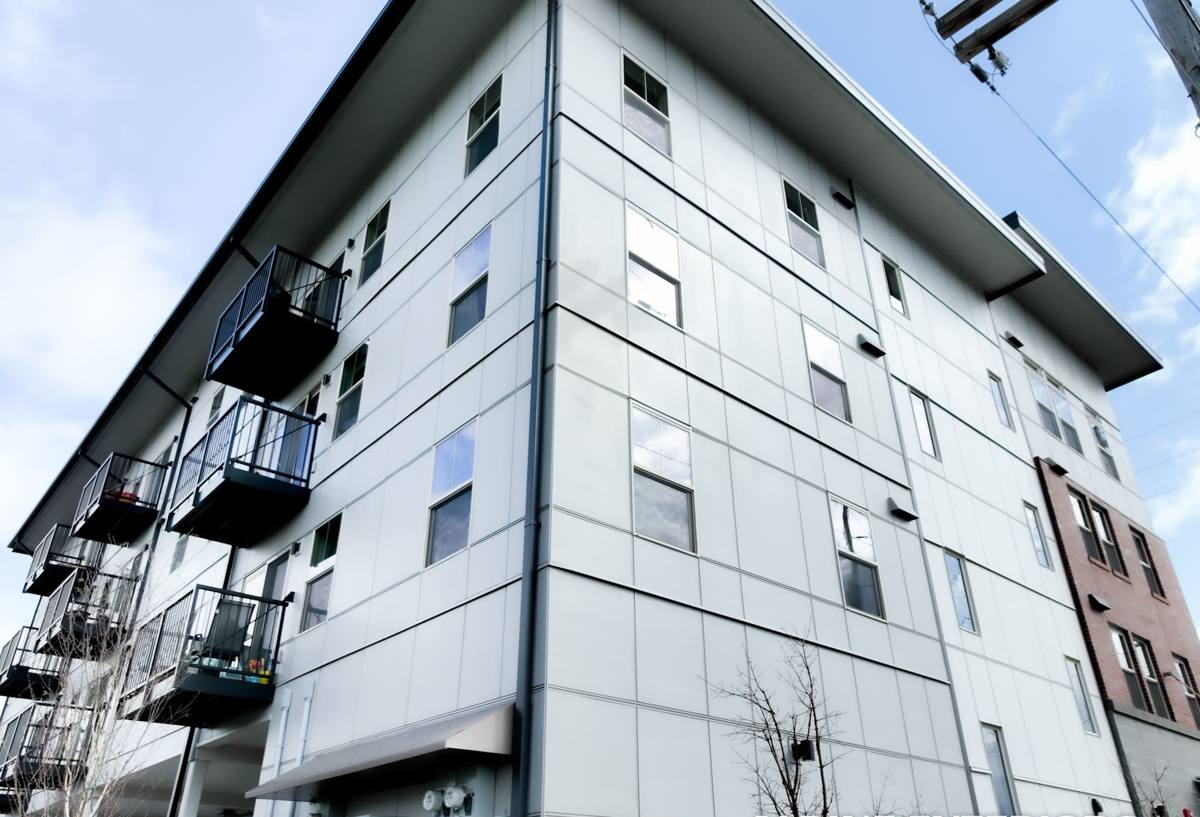
What Sarasota's Climate Actually Does to Siding Over Time
Palmer Ranch sits close enough to the Gulf and open water that homes deal with a combination of stresses most inland siding never sees. None of these show up on day one. They show up in year three, five, or ten, depending on what's on the wall and how it was installed.
Hurricane-Force Wind
Wind doesn't just push on siding — it gets underneath it. Loose panels, thin lap boards, and poorly fastened trim become the first things that peel, crack, or fly off in a storm. The siding material matters, but so does whether it was nailed, gapped, and flashed to actually resist wind load rather than just look finished.
Intense, Year-Round UV
Sarasota doesn't get a real winter break from sun exposure. Siding here takes a near-constant UV load twelve months a year. Paint-grade products and lower-quality finishes chalk, fade, and break down faster under that kind of exposure than they would in a more moderate climate.
Salt Air
Even homes that aren't waterfront pick up salt in the air this close to the coast. Salt accelerates corrosion in fasteners and metal trim, and it can be tough on finishes that aren't formulated to shed it. Over time, salt exposure is part of why some siding systems look tired well before their expected lifespan is up.
Wind-Driven Rain
Florida storms rarely come straight down. Wind-driven rain gets pushed sideways and upward into laps, seams, corners, and anywhere flashing was skipped or shortcut. This is the single biggest reason siding fails from behind rather than from the front — water gets behind the cladding and the sheathing underneath rots long before the visible siding looks bad.
Why We Install Only James Hardie Fiber Cement
We don't install LP SmartSide, vinyl, Cemplank, Allura, or primed wood siding like spruce or cedar. That's not a marketing position — it's a standard we hold because of how those products perform, specifically, under the four conditions above. Vinyl can deform and pop loose in high wind and takes a visible UV beating over time. Engineered wood products depend heavily on maintained paint film and sealed edges to resist moisture, which is a hard bar to clear in a climate this wet and humid. Other fiber cement brands may be reasonable products, but we've standardized on one system so our crews install it the same correct way on every job, every time.
The HZ5 Climate Line
James Hardie engineers its siding for different climate zones, and HZ5 is the formulation built for hot, humid, high-moisture regions like the Gulf Coast of Florida. It's designed to resist moisture-related damage and hold up under sustained heat and humidity better than a one-size-fits-all product would.
ColorPlus Factory Finish
Rather than relying on field-applied paint, Hardie's ColorPlus finish is baked on in a controlled factory environment, which gives it better UV and fade resistance than most site-applied coatings — a meaningful advantage given how much direct sun a Palmer Ranch elevation faces most of the year. It also comes backed by a substantial, transferable product warranty, which matters if you sell the home before the siding's useful life is up.
What a Correct Fiber Cement Install Actually Involves
Fiber cement is a forgiving material in terms of durability, but it is not forgiving of sloppy installation. Most of the siding failures we get called out to inspect trace back to installation shortcuts, not the material itself.
Flashing and Clearances
Every window, door, and roofline intersection needs proper flashing so wind-driven rain has a path to shed rather than a path inside. Siding also needs correct clearance from roof lines, decks, and grade — installed too tight, it wicks moisture instead of shedding it.
Fastening and Joints
Fiber cement needs to be fastened per manufacturer spec — correct nail type, placement, and depth — not just "nailed until it holds." Butt joints need to be treated and sometimes flashed themselves, not simply butted together and caulked over.
Caulking Rules
Caulk is a finishing detail, not a waterproofing strategy. Where a job relies on heavy caulk to compensate for a poor-fitting joint or missing flashing, that's a sign of a shortcut that will show up as a failure point in a few years.
Our Process for Palmer Ranch Projects
Assessment and Measure
We start by walking the exterior and identifying problem areas — soft spots, prior water intrusion, trim that's already failing — not just measuring square footage. This tells us what's happening behind the current siding before we ever price the job.
Prep and Removal
Old siding comes off, and the sheathing underneath gets inspected and, where necessary, repaired before anything new goes up. Covering damaged sheathing with new siding just hides a problem that gets worse.
Install and Inspection
Installation follows Hardie's published fastening, clearance, and flashing specifications, and we check our own work against that spec before calling a job finished — not just against how it looks from the curb.
Cost Factors for a Palmer Ranch Siding Project
Every home is different, so we don't quote from a distance, but these are the variables that actually move the price on a project like this:
| Factor | Why It Matters |
|---|---|
| Home size and story count | More square footage and second-story work both add material and labor time |
| Condition of existing sheathing | Hidden rot or water damage found during tear-off requires repair before new siding goes on |
| Siding profile and accessories | Lap width, trim detail, and corner treatments affect both material cost and install time |
| Number of window and door openings | Each opening needs flashing and trim work, which adds labor regardless of home size |
| HOA-specified color or profile requirements | Some Palmer Ranch communities have architectural guidelines that narrow product or color choices |
We'll walk you through where your home falls on each of these during a free estimate, with the actual condition of your walls factored in rather than a generic per-square-foot number.
Why a Crew That Already Works Palmer Ranch Matters
Every neighborhood has its own quirks — home age patterns, common construction details from a given building era, and in many cases an HOA process that needs to sign off on exterior changes before work starts. A crew that's already done siding work in the area knows what those review committees typically expect in terms of documentation and timing, knows the common sheathing and framing conditions in homes built in a particular era locally, and isn't learning the neighborhood on your dime. That familiarity translates into fewer surprises mid-project and a smoother permitting and approval process.
Maintenance After Installation
Fiber cement is low-maintenance compared to wood or vinyl, but "low-maintenance" isn't "no-maintenance," especially in a salt-air, high-UV environment. A simple annual routine keeps a correctly installed job performing for the long haul:
- Rinse the exterior once or twice a year to clear salt residue and airborne grime, especially on sides facing prevailing wind
- Walk the perimeter after major storms and check caulked joints, trim edges, and any penetrations for cracking or separation
- Keep sprinklers and irrigation from directly and repeatedly soaking the base of the siding
- Trim back landscaping that holds moisture against the wall or blocks airflow along a wall section
- Watch for soft spots, staining, or bubbling paint near ground level, which usually points to moisture getting behind the siding rather than a surface issue
- Have any HOA-required exterior touch-ups or color matching done with ColorPlus-compatible products so the factory finish integrity isn't compromised
Get a Straight Answer on Your Palmer Ranch Home
If your siding is original to the house, showing wear, or you're just planning ahead for a Florida-grade exterior, we're glad to come take a look and give you a straightforward, no-pressure estimate — no invented urgency, just an honest read on what your home actually needs. Fill out the form below and we'll get in touch to schedule a time.