 Sarasota Roofing
 Windows Built for the Way Gulf Gate Estates Actually Lives
Gulf Gate Estates sits close enough to the Gulf that salt air, humidity, and storm exposure are part of daily life, but far enough inland to still bake under full Florida sun most of the year. That combination is hard on windows. Original single-pane or early double-pane units in this neighborhood's older ranch and split-level homes are usually the single biggest source of wasted cooling energy in the house, and often the weakest point in the building envelope when a storm rolls through.
Replacing those windows isn't just a comfort upgrade. Done correctly, it's a Sarasota County code compliance issue, a wind-load and impact-resistance issue, and an energy-bill issue all at once. Done poorly — wrong glass package, wrong installation method, wrong attention to flashing and sealant — it creates leaks, fogged glass, and warranty headaches within a few years. This page covers what a correct energy-efficient window job looks like specifically for homes in this part of Sarasota.
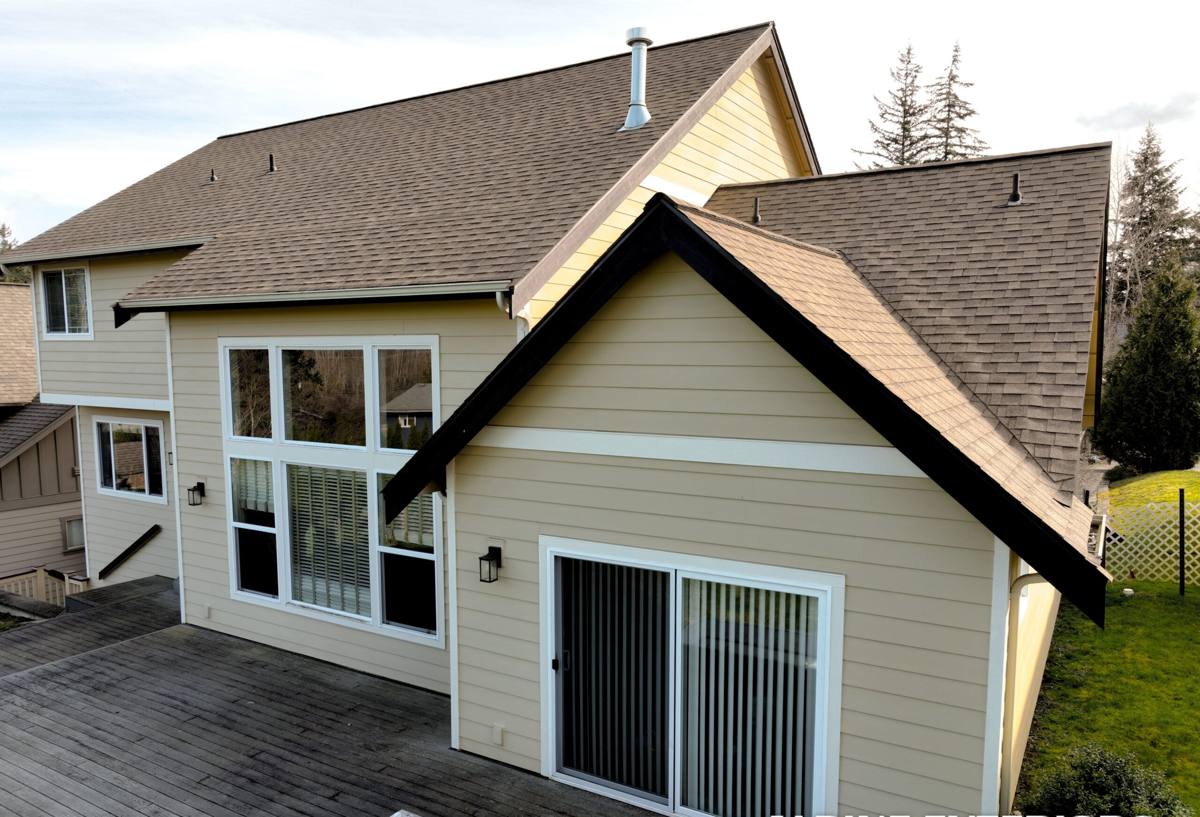
What Gulf Gate Estates Homes Are Up Against
Four regional stressors drive window failure and energy loss here, and they compound each other:
- Hurricane-force wind and pressure cycling: even homes outside a storm's direct path get repeated wind-load stress over years, which fatigues seals and frames faster than in inland climates.
- Wind-driven rain: water doesn't just fall in this area, it gets pushed sideways into any gap in flashing or sealant, which is why installation quality matters as much as the window unit itself.
- Intense, near-constant UV exposure: year-round sun degrades vinyl, weakens seals, and breaks down low-quality glazing compounds faster than in most of the country.
- Salt air corrosion: proximity to the coast accelerates corrosion of hardware, screws, and lesser-grade aluminum components, even a few miles inland.
An energy-efficient window package for this neighborhood has to answer all four of these at once, not just deliver a good U-factor on a spec sheet.
What "Energy-Efficient" Actually Means Here
Glass and Coatings
Low-E (low-emissivity) coated, insulated glass units are the baseline for this climate. The coating reflects infrared heat before it transfers indoors, which matters enormously in a market where cooling load — not heating load — dominates the utility bill nearly every month of the year. The two numbers that matter most:
- U-factor — how well the window resists heat transfer overall. Lower is better.
- SHGC (Solar Heat Gain Coefficient) — how much solar heat passes through the glass. In Sarasota County, a lower SHGC is almost always the right call, since blocking solar heat matters more here than retaining it.
Frame Material
Frame choice affects both energy performance and long-term durability against salt air and UV. There's no single "right" answer for every home — it depends on budget, window size, and how exposed the home is.
Impact Rating
In coastal Sarasota County, most window replacements need to meet Florida Building Code wind-borne debris requirements, either through impact-rated glass or an approved protective system. Impact-rated glass has the added benefit of blocking significant UV and reducing outside noise, on top of its storm protection role.
Frame Material Comparison for This Climate
| Frame Material | Energy Performance | Coastal Durability | Maintenance |
|---|---|---|---|
| Vinyl | Strong insulator, good U-factor | Resists corrosion well; quality varies by manufacturer | Low — no repainting needed |
| Aluminum | Conducts heat more than vinyl unless thermally broken | Needs a marine-grade or coated finish near the coast to resist corrosion | Moderate — hardware and finish need periodic checks |
| Fiberglass | Excellent insulator, very stable in heat | Very good; resists warping and corrosion | Low, but higher upfront cost |
| Wood/Wood-clad | Good insulator | Poor without diligent upkeep in humid, salty air | High — we generally don't recommend it for this specific exposure |
We don't install every material on this list for every home. On wood-clad units in particular, our standard is to steer homeowners toward vinyl, aluminum, or fiberglass options for direct coastal or high-humidity exposure — not because wood windows are bad products, but because the maintenance burden they carry in this specific climate rarely matches what a Gulf Gate Estates homeowner actually wants to sign up for.
Signs Your Current Windows Are Costing You Money
Most homeowners don't realize how much a tired window is costing them until they compare it to a proper replacement. Walk your home and check for these:
- Glass that feels warm to the touch on the inside during the afternoon, even with the AC running
- Visible condensation or fogging between panes (a sign the seal has failed)
- Rooms near west- or south-facing windows that run noticeably hotter than the rest of the house
- Frames that are chalky, pitted, or show corrosion around hardware and screws
- Windows that are difficult to open, close, or lock — a sign the frame has shifted or warped
- Noticeable outside noise or drafts even when the window is fully closed
- Rising cooling bills over the past few summers with no other explanation
How We Handle an Energy-Efficient Window Job in Gulf Gate Estates
Every home in this neighborhood is a little different in age, orientation, and exposure, so we don't sell a one-size package. Our process:
- On-site assessment: we look at existing frame condition, wind exposure by elevation (a west-facing window takes very different abuse than one tucked under an eave), and any signs of moisture intrusion around current openings.
- Glass and frame selection: we walk through U-factor, SHGC, and frame material trade-offs based on your budget and how that specific wall of the house is exposed to sun and wind.
- Code and permitting check: we confirm what Sarasota County requires for your specific wind zone and whether impact-rated glazing or an approved alternative applies to your replacement.
- Removal and opening prep: old units come out carefully, and we inspect the rough opening for hidden water damage or rot before anything new goes in — a step that's easy to skip and expensive to regret later.
- Flashing and sealant installation: this is where wind-driven rain either gets stopped or gets in. We flash and seal to manage water at every opening, not just caulk over the gap.
- Final fit and function check: every window gets tested for smooth operation, a tight seal, and proper alignment before we consider the job done.
Cost Factors to Expect
Exact pricing depends on window count, size, glass package, and frame material, but these are the main levers that move the cost of a project up or down:
| Factor | Effect on Cost |
|---|---|
| Impact-rated glass vs. standard insulated glass | Impact-rated typically costs more upfront but can reduce or eliminate separate storm protection costs |
| Frame material | Vinyl is typically the most budget-friendly; fiberglass and higher-end aluminum systems cost more |
| Window size and configuration | Larger openings, custom shapes, or sliding/casement hardware add cost over standard fixed or single-hung units |
| Number of openings replaced at once | Doing a full-home replacement in one project is usually more cost-effective per window than doing it in phases |
| Rough opening condition | Hidden rot or water damage found during removal can add repair costs before the new window goes in |
We give straight numbers during the in-home assessment rather than a phone quote, because so much of the real cost depends on what we find at the opening itself.
Why Local Experience in Gulf Gate Estates Matters
Window installation is one of those jobs where the manufacturer's spec sheet only tells half the story. The other half is judgment: knowing how a particular block of Gulf Gate Estates homes tends to be built, what wind exposure looks like on a given elevation, and what Sarasota County's inspectors actually look for on a permitted window job. A crew that works this specific area regularly isn't guessing at any of that — they've already seen how these homes hold up, where past installations tend to fail, and what it takes to get a job through inspection the first time.
That familiarity also shows up in smaller ways: knowing which HOA or neighborhood conventions to plan around, showing up with the right permit paperwork already in hand, and not treating a coastal Sarasota home like it's the same job as a window replacement two hours inland.
Maintaining Your Investment
Even the best window package benefits from basic upkeep in this climate. A quick seasonal checklist:
- Rinse frames and glass periodically to clear salt residue, especially after windy weather off the Gulf
- Check weep holes (the small drainage openings in the frame) to make sure they're clear of debris so water can drain properly
- Inspect exterior caulk and sealant lines once a year for cracking or separation
- Lubricate hardware and tracks on operable windows to keep salt air from seizing moving parts
- Watch for early condensation between panes, which signals a seal issue worth addressing before it worsens
If you're weighing whether it's time to replace the windows in your Gulf Gate Estates home, we're happy to take a look and give you an honest read on condition, options, and cost — no pressure, no obligation. Fill out the form below to schedule a free estimate.