 Sarasota Roofing
 Why Siding Takes a Beating in Downtown Sarasota
Downtown Sarasota sits close to the water, which means the same breeze that makes the neighborhood pleasant to live in also puts real stress on a home's exterior. Salt-laden air corrodes fasteners and finishes faster than it does further inland. Intense, near year-round UV breaks down pigments and surface coatings. And when a tropical system or a strong summer thunderstorm rolls through, wind-driven rain gets forced sideways into every seam, lap, and joint in the siding system. None of this is unique to one street or one block downtown — it's the reality for the whole Sarasota County coastline — but the mix of older bungalows, mid-century homes, and newer infill construction packed into the downtown core means we see every possible siding condition in a very small radius.
Siding that was installed without accounting for these conditions tends to fail early: paint chalks and peels years ahead of schedule, seams open up and let water behind the cladding, and trim boards absorb moisture and swell. A siding replacement done right in this part of Sarasota isn't just a cosmetic upgrade — it's a chance to correct whatever let the old siding fail in the first place.
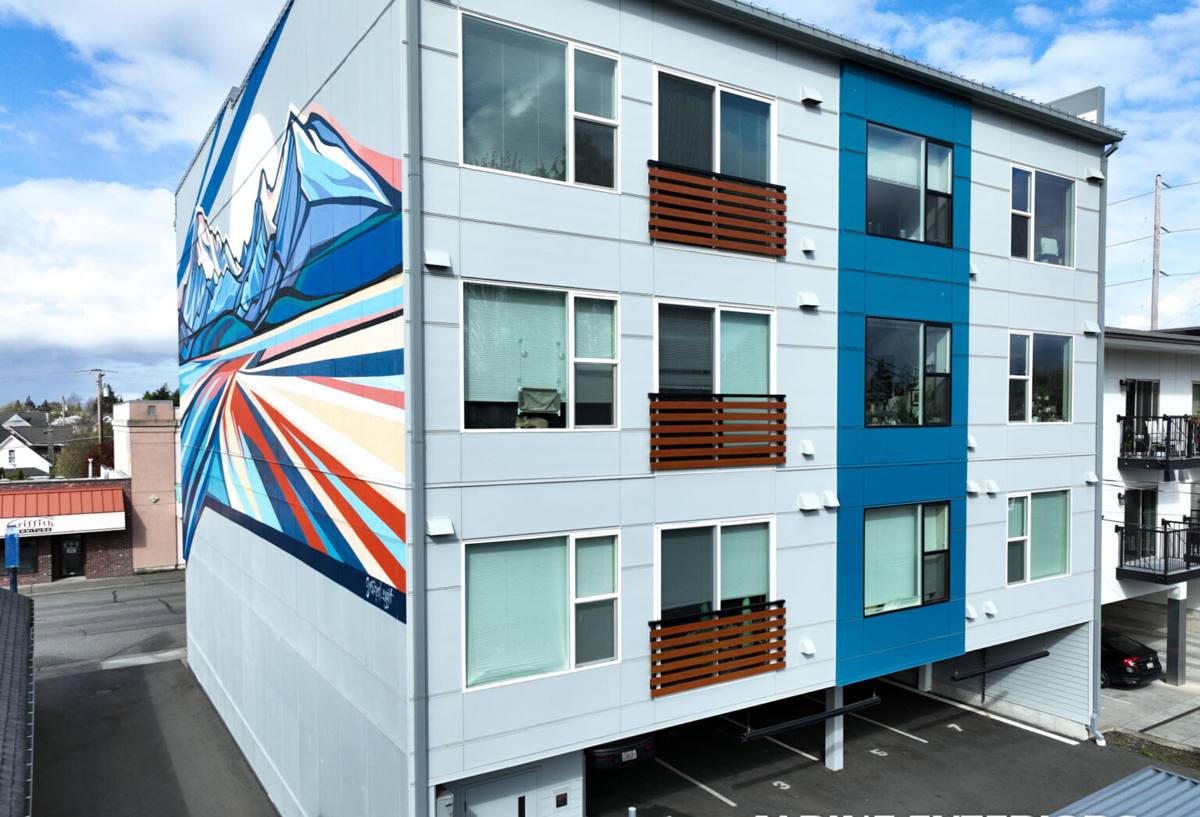
Signs a Downtown Sarasota Home Needs Replacement, Not Repair
Visible surface damage
Cracked, buckled, or bowed panels, chalky or peeling paint that returns within a year or two of repainting, and soft spots you can press a finger into are all signs the material itself — not just the finish — is failing.
Moisture getting behind the cladding
Dark streaking below seams, blistering paint, and a musty smell near exterior walls usually mean water is finding its way behind the siding rather than shedding off the surface the way it's supposed to. On a home this close to the Gulf, that moisture rarely dries out completely between rain events, which accelerates rot in the wall assembly behind the siding.
Widespread age-related failure
If a handful of boards are failing, a repair can make sense. If failure is showing up across most elevations at once, it's usually a sign the whole system — material, house wrap, flashing — reached the end of its service life at the same time, and patching individual boards just delays a full replacement while spending money that won't carry forward.
What a Correct Siding Replacement Actually Involves
Tear-off and a real inspection
Removing the old siding is also the only point in the project where the sheathing, framing, and water-resistive barrier underneath are fully visible. A replacement that skips a careful inspection here is gambling that everything behind the old siding is sound — on a Downtown Sarasota home that's been absorbing salt air and storm rain for years, that's not a safe assumption.
Water-resistive barrier and flashing
Fiber cement siding is not the primary water barrier — the house wrap and flashing details behind it are. Every window, door, and penetration needs flashing that directs water back out, lapped correctly with the barrier beneath. This is the step that's invisible once the job is finished and the step most likely to get shortcut by a crew in a hurry.
Fastening and clearances to manufacturer spec
Fiber cement siding has to be fastened at the pattern, spacing, and embedment the manufacturer specifies, and it needs proper clearance from the ground, roofline, and any horizontal trim so water can drain and the material can dry. Getting this wrong doesn't show up as a problem on day one — it shows up as premature failure two or three years later.
Trim, joints, and sealant
Butt joints, corners, and trim transitions are where most siding leaks originate. Correct installation backs joints where needed, uses the right sealant for the material, and doesn't rely on caulk alone to do a flashing detail's job.
Why We Only Install James Hardie Fiber Cement
We standardized on James Hardie fiber cement siding for every job we take on, including replacements in Downtown Sarasota, and we don't install vinyl, LP SmartSide, Cemplank, Allura, or wood siding. That's not a marketing position — it's a decision based on what actually holds up in this climate when installed correctly.
James Hardie's fiber cement is non-combustible, which matters on infill lots downtown where homes often sit closer together than in a lot of suburban Sarasota County neighborhoods. It's engineered in climate-specific formulations, including a version built for hot, humid, moisture-heavy regions like the Gulf Coast, and it carries a factory-applied ColorPlus finish that's baked on and warranted against fading rather than relying on a field-applied paint job to survive intense Florida UV. The company backs it with a strong, transferable limited warranty, which also matters if the home is ever sold.
How it compares to the alternatives
| Material | Moisture & rot behavior | UV / color stability | Wind-driven rain performance | Ongoing maintenance |
|---|---|---|---|---|
| James Hardie fiber cement | Won't rot; engineered moisture resistance | Factory ColorPlus finish resists fading | Dense material, proper laps shed wind-driven rain well | Low — occasional wash, no repainting cycle |
| Vinyl siding | Doesn't rot, but panels can warp, buckle, or blow off in high wind | Color molded in but can fade and chalk over time | Can allow water intrusion at loose or damaged panels | Low, but damaged sections often need full-panel replacement |
| LP SmartSide (engineered wood) | Wood-based; vulnerable to moisture if the finish is compromised | Field or factory finish, needs recoating over time | Sensitive to prolonged moisture exposure at cut edges and joints | Moderate — finish maintenance and edge sealing matter |
| Untreated wood / cedar | Rots without diligent upkeep; attractive to pests | Fades and weathers quickly without regular refinishing | Absorbs moisture unless finish is kept in good condition | High — repainting or restaining on a recurring cycle |
Every one of those alternatives can be installed well and can perform for a while. What pushed us to standardize on Hardie is what happens over the following ten or fifteen years of Sarasota sun, salt, and storms with the ordinary amount of upkeep most homeowners actually give their siding — not the ideal amount.
Our Siding Replacement Process
- On-site inspection of the current siding, trim, and any visible signs of moisture or storm damage
- Written estimate covering material, labor, tear-off, disposal, and any sheathing or flashing repairs anticipated
- Permitting handled through the appropriate local building department before work begins
- Tear-off, sheathing inspection, and repair of any damaged wood before new material goes up
- Installation of house wrap, flashing, James Hardie siding, and trim to manufacturer specification
- Final walkthrough so you can see the finished work and ask questions before we consider the job done
Working Within Downtown Sarasota's Lots and Rules
Downtown Sarasota isn't a blank canvas — many properties sit on tight infill lots with limited side-yard access, some are part of condominium or homeowners' associations with architectural review requirements, and some are older homes where the existing trim profiles and reveal patterns are worth matching rather than replacing wholesale. A crew that regularly works in this part of the city plans for narrow staging areas, coordinates with HOA or architectural review boards where they apply, and pulls permits through the correct local building department before starting, rather than treating those steps as an afterthought.
Wind resistance isn't optional here, either. Florida Building Code wind provisions apply to exterior work throughout Sarasota County, and correct fastening schedules and clearances aren't a nice-to-have — they're what keeps siding attached and watertight the next time a named storm tracks anywhere near the Gulf Coast.
What Homeowners Can Do Between Now and Replacement
If replacement isn't urgent yet, a few habits slow down the damage salt air and sun do to existing siding:
- Rinse siding periodically to remove salt residue, especially on elevations facing the water or open exposure
- Keep sprinklers and irrigation from spraying directly on siding, which keeps it wet longer than rainfall alone
- Trim back landscaping that holds moisture against the wall or blocks airflow and sun from drying it out
- Check caulking at trim joints and penetrations once a year and have gaps addressed before they let water in
- Have any soft, discolored, or bowed sections inspected promptly rather than waiting for them to spread
Why Local Experience Matters for This Job
Siding replacement done by a crew that already works in Downtown Sarasota shows up in details that are easy to miss otherwise: knowing which blocks deal with tighter access and adjusting the job plan accordingly, understanding which local boards need to sign off on exterior changes before a permit clears, and having a feel for how quickly salt air and storm exposure actually age a house in this specific location versus a generic coastal estimate. It also means a crew that has already solved the logistics of downtown parking, staging materials on small lots, and working around neighbors in close proximity — none of which shows up on an estimate but all of which affects how smoothly the job goes.
If your Downtown Sarasota home's siding is showing its age or storm wear, we're happy to take a look and give you an honest assessment of whether it needs full replacement or targeted repair. Use the form below to request a free, no-pressure estimate.