 Sarasota Roofing
 Why Downtown Sarasota Siding Takes a Beating
Downtown Sarasota sits close enough to the bay and the Gulf that salt air is a constant factor in how exterior materials age, even a few miles inland. Add in Sarasota County's intense, near year-round UV exposure, seasonal wind-driven rain, and the real possibility of hurricane-force wind gusts, and you have a climate that is genuinely hard on siding. Homes in this part of the city range from older bungalows and mid-century construction to newer builds near the core, and all of them share the same exposure: sun, salt, humidity, and wind working on the exterior every single day, not just during storm season.
Siding repair here isn't just cosmetic patchwork. Done correctly, it's about restoring a weatherproof envelope around the home — something that has to hold up to the next tropical storm, not just look good for photos. That's the standard we hold every repair to.
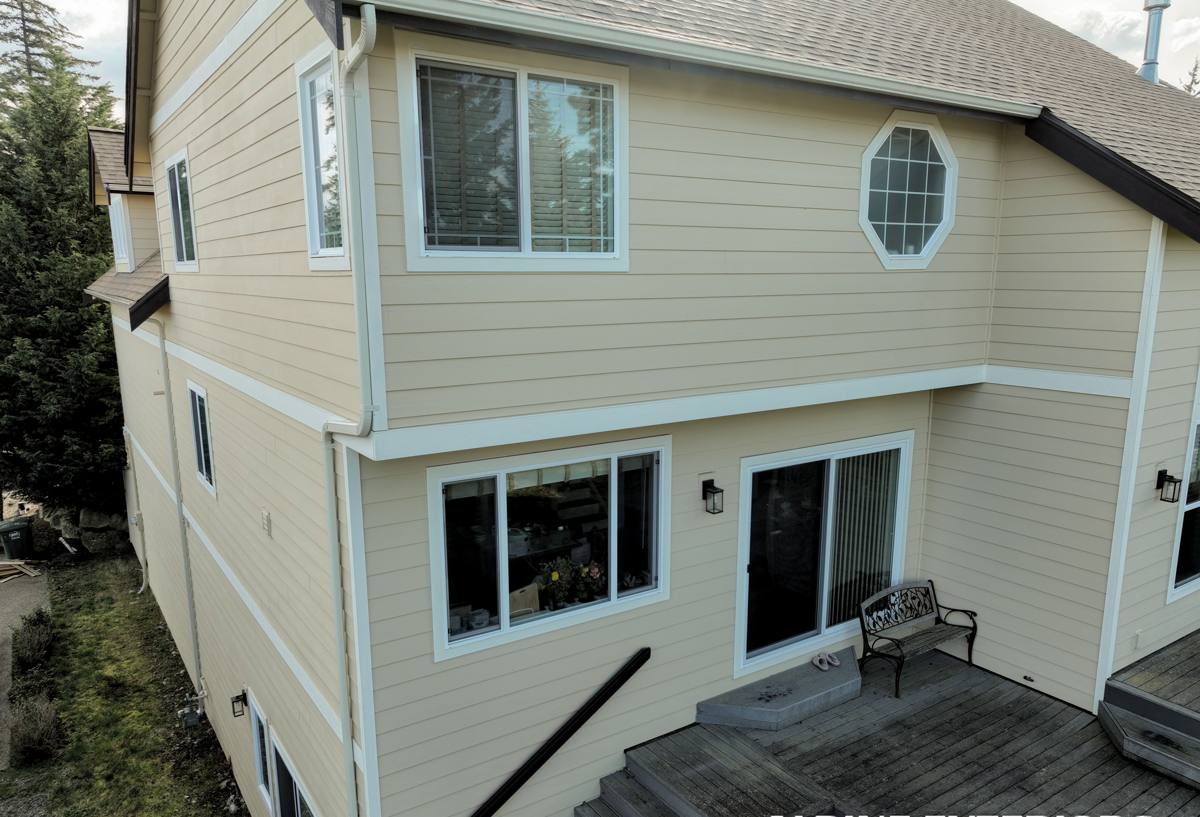
Common Types of Siding Damage We See in This Area
Wind and Impact Damage
High winds can crack, lift, or fully detach siding panels, especially at corners and edges where wind pressure concentrates. Wind-driven debris — palm fronds, loose gutters, patio furniture — adds impact damage on top of that. Even when panels stay attached, wind can loosen fasteners enough that water starts working its way behind the siding.
UV Fading and Surface Breakdown
Sarasota's sun exposure is intense for most of the year. Lower-quality siding materials and finishes chalk, fade, or degrade faster here than in milder climates, leaving mismatched color patches and a chalky surface that no longer sheds water the way it should.
Moisture Intrusion
Wind-driven rain finds any gap in flashing, caulking, or panel seams and pushes water behind the siding rather than letting it run off the surface. Left alone, this leads to trapped moisture, wood rot in sheathing, and eventually mold — problems that are far more expensive to fix than the siding itself.
Salt Air Corrosion
Salt in the air accelerates corrosion of exposed fasteners, trim flashing, and any metal components in the siding system. Corroded fasteners lose their grip over time, which is one of the quieter causes of loose or failing panels in homes near the water.
What a Correct Siding Repair Actually Involves
A repair that only addresses what's visible from the street is a repair that will fail again. A correct job goes several layers deeper.
Inspecting Behind the Damaged Panel
Before any new material goes up, we check the condition of the water-resistive barrier, flashing, and sheathing behind the damaged section. If moisture has already gotten in, patching over it just traps the problem.
Matching Material, Profile, and Finish
Replacement siding needs to match the existing panel's exposure, profile, and color as closely as possible. This is easier when the home was built with a factory-finished product with a documented color system, and much harder with older or discontinued materials.
Correct Fastening for Wind Zones
Sarasota County falls within a high-velocity wind zone, and fastener type, spacing, and placement all matter for wind resistance. Repairs need to meet the same fastening standards as new installation, not shortcuts that happen to hold for now.
Sealing Cut Edges and Seams
Any cut or exposed edge on fiber cement siding needs to be properly sealed and finished. An unsealed edge is a direct path for moisture to enter the material over time, undermining an otherwise solid repair.
Flashing and Trim Integration
Repairs near windows, doors, corners, and roof lines have to tie back into the existing flashing correctly. This is where a lot of amateur repairs go wrong — the new siding looks fine, but the water management behind it was never restored.
Repair or Replace? How We Help You Decide
Not every damaged section needs a full re-side, but there's a point where patch repairs stop making financial sense. Here's how we generally weigh it:
| Factor | Favors Repair | Favors Replacement |
|---|---|---|
| Extent of damage | Isolated to a few panels or one wall | Widespread across multiple elevations |
| Underlying moisture | Sheathing and framing are dry and sound | Rot or sustained water intrusion found behind siding |
| Age of existing siding | Relatively recent, still under warranty | Original siding is decades old or already failing broadly |
| Material match | Matching panels are readily available | Discontinued profile or color, patches will visibly mismatch |
| Storm history | First repair after an isolated event | Repeated storm damage across multiple seasons |
We'll walk your home with you and give you a straight answer on which side of that line your siding falls on — we don't upsell a full replacement when a targeted repair will genuinely hold up.
Our Process for Downtown Sarasota Siding Repair
1. On-Site Inspection
We start with a full walk-around of the affected areas, checking not just the obvious damage but adjacent panels, corners, and trim that might be showing early signs of the same problem.
2. Diagnosis and Honest Recommendation
We explain what caused the damage, whether it's isolated or part of a broader pattern, and give you a clear repair-versus-replace recommendation with our reasoning, not just a price.
3. Sourcing the Right Material
For repairs, matching the existing siding's profile and finish is critical to a clean result. We work to source the closest match available, and we'll tell you upfront if an exact match isn't realistic.
4. The Repair Itself
Damaged sections are removed, the structure behind them is inspected and, if needed, addressed before new siding goes on, and the new material is installed to the same fastening and sealing standards as a full installation.
5. Final Check and Cleanup
We inspect the finished repair for fit, fastening, and sealed edges, and leave the site clean. A repair isn't done until it looks and performs like it was never damaged.
Why We Only Install James Hardie Fiber Cement
We're a James Hardie-exclusive contractor — we don't install vinyl, LP SmartSide, or other fiber cement brands, and that standard applies to repair work too. In a climate like Sarasota's, the material matters as much as the workmanship. James Hardie's fiber cement is non-combustible, engineered to resist moisture better than wood-based siding products, and available in HZ product lines specifically formulated for high-humidity, high-UV climates like Florida's. The factory-applied ColorPlus finish is baked on under controlled conditions, which holds color and resists fading far better than field-applied paint — a real advantage under Sarasota's sun. It also comes with a strong, transferable warranty when installed to manufacturer specification, which matters if you sell the home down the road.
When we repair Hardie siding, we're working within a system we know inside and out — the fastening patterns, the sealing requirements, the color-matching process. That familiarity is a big part of why the repair holds up.
Why It Matters to Hire a Crew That Already Works in Downtown Sarasota
Local Code and Wind Zone Knowledge
Sarasota County's building requirements and wind zone standards affect how siding repairs need to be fastened and detailed. A crew that regularly works in the area already knows these requirements cold, instead of learning them on your roofline.
HOA and Neighborhood Familiarity
Several neighborhoods in and around Downtown Sarasota have architectural review requirements for exterior work. A local crew is used to navigating that process without it turning into a delay for you.
Faster Response, Better Continuity
Being local means a faster site visit after a storm, and a crew that can come back and stand behind their own repair work without a long lead time. That matters when a hole in your siding is letting weather into your home right now.
Keeping Your Siding in Good Shape After Repair
Once your siding is repaired, a little routine attention goes a long way in this climate:
- Rinse salt residue and grime off the siding periodically, especially on sides facing prevailing wind
- Walk the exterior after any major storm and look for lifted panels, cracked caulking, or new gaps at trim
- Keep gutters and downspouts clear so water isn't sheeting down the siding face
- Trim back vegetation and palm fronds that can rub against or strike siding in wind
- Address small cracks or caulk failures early, before wind-driven rain has a chance to get behind the panel
- Have a professional inspect the siding after any storm with sustained high winds, even if damage isn't obvious from the ground
If you're dealing with damaged, aging, or storm-affected siding on a Downtown Sarasota home, we're happy to take a look and give you a straightforward, no-pressure assessment. Fill out the form below for a free estimate — we'll tell you honestly what your siding needs, whether that's a targeted repair or something more.