 Sarasota Roofing
 Why Downtown Sarasota Homes Need Windows Built for This Climate
Downtown Sarasota sits close to the water, which means the windows on a home here deal with a tougher mix of stress than windows just a few miles inland. Hurricane-force winds test the strength of the frame and the glass every storm season. Sun that beats down nearly year-round breaks down seals, fades finishes, and pushes cooling costs up. Wind-driven rain finds any gap in flashing or caulking and works it into a leak over time. And the salt air drifting off Sarasota Bay and the Gulf accelerates corrosion on hardware, screws, and metal components that would last decades longer in a drier, inland climate. A window that isn't built and installed with all four of these factors in mind will show problems years before it should. Downtown Sarasota's proximity to Sarasota Bay also means many properties sit in a higher wind-exposure category than homes set farther back from open water, which is a detail worth confirming before assuming a lower-cost window package will meet code.
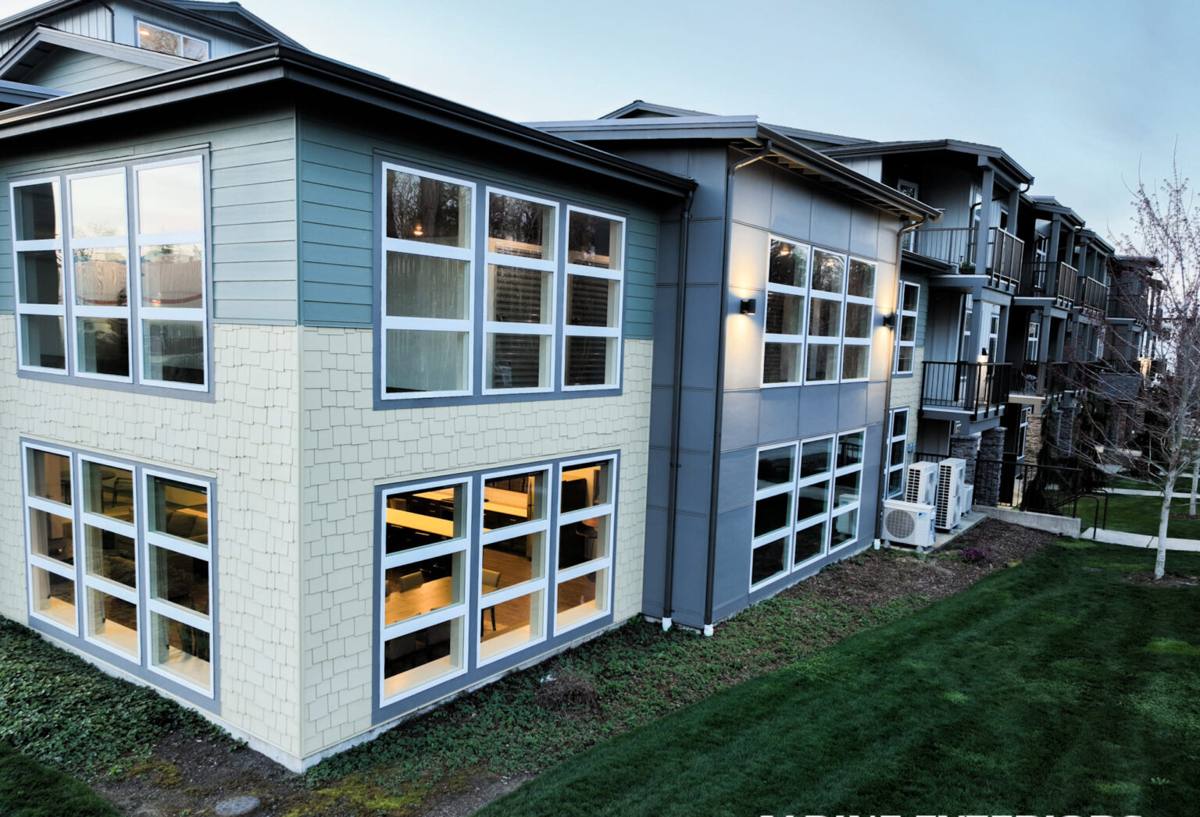
What Downtown Sarasota's Housing Stock Means for Window Replacement
Downtown Sarasota is a mix of older bungalow and mid-century homes, updated single-family houses, and newer condos and townhomes built closer to the bay. That mix matters for window work because the right approach depends heavily on what's already in the opening.
Older Homes
Homes built decades ago in this part of Sarasota often still have original wood-frame or early aluminum windows, single-pane glass, and openings that have shifted slightly as the structure has settled. Replacing these correctly means taking accurate field measurements of every opening rather than assuming they match a standard size, and it often means addressing wood rot or old, non-code flashing details that only become visible once the old window comes out. Because these older homes were often built before current wind-load standards existed, the replacement window and its installation details end up doing more structural work than the original one ever had to.
Newer Construction
Newer downtown properties usually already have impact-rated glass, but as those windows age, failed seals, foggy glass between panes, and worn weatherstripping become common. Replacement here is more straightforward, but it still needs to match current wind-load requirements, not just the age of the building it's going into. That's still worth checking against current code rather than assumed, since design pressure requirements have been updated more than once since many of these buildings went up.
What a Correct Custom Window Installation Involves
Impact-Rated Glass and Frame Strength
Coastal Sarasota County falls under Florida Building Code wind-borne debris requirements, which means new and replacement windows generally need to be either impact-rated or paired with code-approved protection. Impact glass uses a laminated interlayer that holds together under wind-driven impact instead of shattering, and the frame around it has to be rated to match — a strong pane set in a weak frame is still a weak point in the wall.
Flashing and Water Management
Most window failures we see aren't glass failures — they're water intrusion problems caused by flashing that was skipped, reused, or installed out of sequence. Correct installation means integrating flashing tape and pan flashing with the home's existing water-resistive barrier so water is directed out and down, never trapped behind the siding or stucco.
Sealing and Fastening
Sealant is a backup, not the primary defense — it has to be paired with correct mechanical fastening into structural framing, at the fastener spacing and edge distance the manufacturer specifies for the tested wind load. Skipping fasteners or using the wrong sealant chemistry against a given frame material is a common shortcut that fails quietly over a few seasons rather than showing up right away.
Frame Materials for Salt Air and Intense Sun
Not every window material handles Sarasota's coastal exposure the same way. Here's how the common options compare for this specific environment:
| Frame Material | Salt Air / Corrosion Resistance | UV & Heat Performance | Maintenance |
|---|---|---|---|
| Vinyl | Very good — won't corrode | Good with modern UV-stabilized formulations | Low |
| Aluminum | Fair — needs a quality coating or finish to resist pitting | Conducts heat more than other options | Moderate |
| Fiberglass | Excellent — very stable in coastal air | Excellent, low expansion and contraction | Low |
| Wood-Clad | Poor to fair without diligent upkeep | Good with proper finish, but the finish itself degrades under UV | High |
Hardware matters as much as the frame material. Screws, hinges, and locks in true coastal-grade, corrosion-resistant finishes cost more up front but hold up far longer against salt air than standard hardware, which can start showing rust within a couple of seasons this close to the water.
Glass and Coating Options for Sarasota's Sun and Salt
The frame is only part of the equation. The glass package affects comfort, energy bills, and longevity just as much.
Low-E Coatings
Low-emissivity coatings reflect a significant share of solar heat before it enters the home, which matters in a climate where air conditioning runs nearly year-round. They also help protect furniture, flooring, and finishes from UV fading over time.
Laminated and Impact Glass
Laminated glass, the type used in most impact-rated windows, holds its shape when broken instead of scattering, which is what protects the opening during a storm. As a side benefit, it also cuts down outside noise more than standard non-laminated glass.
Tint and Comfort Options
Some homeowners add a light tint or additional solar control coating on west- and south-facing openings that take the most direct afternoon sun. It can noticeably reduce hot spots in those rooms without darkening the whole house.
Impact Ratings, Codes, and Insurance
Because Downtown Sarasota falls within a wind-borne debris region under the Florida Building Code, replacement windows typically need to meet a tested design pressure rating appropriate to the home's location and height, and openings need to either be impact-rated or have code-compliant protection. This isn't just a box to check for a permit — it's what keeps the building envelope intact if a storm brings debris. It can also affect homeowners insurance: many carriers offer wind-mitigation credits for verified impact-rated openings, which can help offset the higher upfront cost of impact glass over the life of the windows.
What Drives the Cost of a Custom Window Project
Custom window pricing downtown varies more than people expect, and it's rarely just about the number of openings. The biggest swing factors are the ones below, and understanding them helps you compare quotes on an apples-to-apples basis rather than just looking at a bottom-line number.
- Frame material — vinyl and aluminum typically cost less upfront than fiberglass or wood-clad options.
- Glass package — impact-rated laminated glass, Low-E coatings, and added tint each add cost over basic single-pane glass.
- Design pressure rating — openings on taller sections of a home or more exposed elevations may need a higher-rated, more expensive window.
- Opening condition — hidden wood rot or out-of-square framing found during removal adds repair work before the new window can go in.
- Number and size of openings — larger openings and specialty shapes cost more than standard-size units.
- Permitting and inspection — required for most window replacement work in Sarasota County and built into the overall project cost.
We walk through these factors during the on-site estimate so you know exactly what's driving the number, rather than getting a flat quote with no explanation behind it.
Our Custom Window Installation Process
Every home downtown is a little different, so the process starts with specifics, not a generic package.
- On-site assessment and measurement — we check each opening, look at the existing flashing and framing condition, and measure precisely rather than relying on original builder specs.
- Product selection — we walk through frame material, glass package, and design pressure rating options that fit the home's exposure and your budget.
- Permitting — we handle the permit application and inspection scheduling required for window replacement in Sarasota County.
- Removal and installation — old windows come out, any rot or damaged framing gets addressed, new flashing is integrated correctly, and the new window is set, shimmed level and plumb, and fastened to the manufacturer's tested spec.
- Sealing and finish work — exterior and interior sealant, trim, and hardware installation.
- Final inspection and walkthrough — we confirm operation, weather sealing, and code sign-off before we consider the job done.
Signs Your Downtown Sarasota Home's Windows Need Attention
Coastal exposure tends to show up as specific, recognizable symptoms. If you're noticing any of these, it's worth having the windows looked at:
- Fogging or condensation between panes of double-pane glass, a sign the seal has failed
- Rust staining around hardware, hinges, or screws
- Windows that are hard to open, close, or lock, or that rattle in wind
- Visible gaps, cracked caulking, or soft or discolored trim around the frame
- Noticeably higher cooling bills without another clear cause
- Drafts or a faint whistling sound during windy weather
- Chalking, fading, or pitting on aluminum or older vinyl frames
Why Local Experience in Downtown Sarasota Matters
A crew that works Downtown Sarasota regularly already knows the Sarasota County permitting process, the wind-load expectations for homes this close to the bay, and how quickly salt air and sun exposure expose installation shortcuts elsewhere in the area. That familiarity shortens the permitting timeline, avoids rework, and means the products recommended are ones that have actually held up in this exact environment — not just on paper.
Caring for Your New Custom Windows
Coastal-grade windows still need some upkeep to get their full lifespan out here. Rinsing frames and tracks periodically to clear salt residue, keeping weep holes clear of debris and sand, and having seals and caulking checked every few years will go a long way toward protecting the investment — especially on homes closest to the water. This matters most heading into hurricane season, when a quick check of hardware, weep holes, and seals before storm watches begin is far easier than dealing with a leak mid-storm.
If you're weighing whether it's time to replace windows on a Downtown Sarasota home, we're happy to take a look and talk through honest options — no pressure, no obligation. Fill out the form below for a free estimate.