 Sarasota Roofing
 Why Southside Village Decks Take a Beating
Southside Village is one of Sarasota's older, established neighborhoods, with a mix of long-standing bungalow-style homes and newer construction sitting close together on mature, tree-lined lots. That combination of age, tree canopy, and proximity to the water creates a specific set of stresses on outdoor decking that a generic "Florida deck" conversation doesn't fully cover. Salt-laden air moves through the area regularly, accelerating corrosion on fasteners, brackets, and any exposed metal hardware. Shade from mature trees keeps some deck sections damp longer after rain, while unshaded sections bake in direct, near-constant Florida sun. That uneven exposure — some boards drying fast, others staying wet — is exactly the kind of condition that causes cupping, splitting, and uneven wear across a single deck.
Add in Sarasota County's exposure to wind-driven rain during storms and the occasional direct hit from hurricane-force wind, and you have a structure that's working harder than a deck in a drier, cooler climate ever would. None of this means a deck can't last in Southside Village — it means it has to be built and replaced with these specific conditions in mind, not with a one-size-fits-all approach.
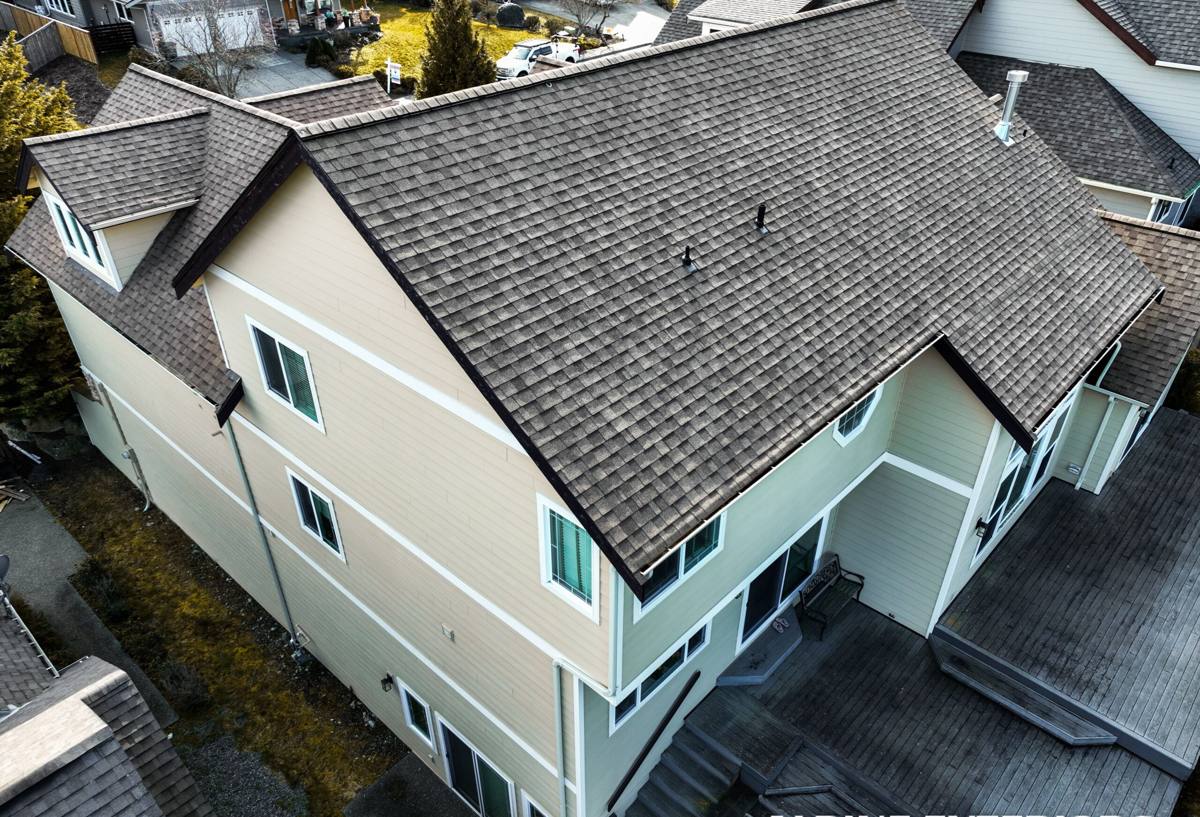
Repair or Replace? Reading the Signs
Not every tired-looking deck needs a full replacement, but in an older neighborhood like Southside Village, a lot of decks are reaching the point where patching no longer makes sense. Here's how we tell the difference on a job site.
Signs a repair is enough
- A handful of isolated boards are cracked, warped, or splintering, but the frame underneath is solid
- Railings are loose or wobbly but the posts themselves aren't rotted at the base
- Fasteners are rusted or backing out, but the wood around them is still sound
- The deck is structurally tight and level, with only cosmetic wear
Signs it's time to replace
- Soft, spongy, or crumbling wood at ledger boards, joists, or posts
- Visible gaps, sagging, or bounce when you walk across it
- Rot or insect damage where the deck meets the house — this is a common failure point in humid coastal climates
- Fastener corrosion widespread enough that hardware is failing across multiple areas, not just one spot
- The deck was built to older code and doesn't meet current wind and connection standards
A deck that's failing at the ledger — where it attaches to the house — is a safety issue, not a cosmetic one. That connection carries a huge share of the structural load, and in a storm-prone area it's one of the first things we inspect closely before recommending repair versus replacement.
What Southside Village's Older Homes Mean for a Deck Project
Many homes in this neighborhood were built well before current Florida Building Code wind and connection requirements existed. When we replace a deck attached to one of these older homes, we're not just swapping boards — we're often correcting ledger attachments, joist hangers, and post footings that were acceptable decades ago but wouldn't pass inspection today. That's a meaningful difference between a straightforward replacement and one on a newer home built to current standards.
Tree cover is another local factor. A lot of Southside Village lots have mature trees that shade part of the yard and drop leaves and debris onto decking year-round. That means moisture sits longer in some areas, and it also means drainage and airflow underneath the deck matter more than they would on an open, sun-exposed lot. We account for this in how we frame and space the deck, not just in what material sits on top.
Choosing the Right Decking Material for Sarasota's Climate
There's no single "best" decking material — there's a best fit for your budget, your maintenance appetite, and how much sun and moisture your specific deck sees. Here's how the common options actually perform in a coastal, high-UV, high-humidity environment like Southside Village.
| Material | How it holds up locally | Maintenance | General cost position |
|---|---|---|---|
| Pressure-treated wood | Affordable and familiar, but most prone to cupping, splitting, and fastener corrosion in salt air; needs consistent sealing | High — annual cleaning and resealing | Lowest upfront cost |
| Capped composite | Strong UV and moisture resistance; the cap layer resists staining and fading better than uncapped composite | Low — occasional washing | Mid to upper-mid |
| PVC decking | Fully synthetic, excellent moisture and salt resistance, doesn't absorb water like wood-based composites | Low — occasional washing | Highest upfront cost |
| Tropical hardwoods (e.g., ipe) | Naturally dense and durable, but installation is unforgiving and it still needs oiling to hold its color | Moderate to high | High |
We're generally cautious about uncapped, budget composite boards in this climate. Without a protective cap layer, they can absorb moisture at the core over time, which shows up as swelling or discoloration well before a capped product would. That's not a knock on composite decking as a category — it's why we're specific about which composite products we install and why the cap matters more here than it would in a drier climate.
Building to Sarasota County Wind and Code Requirements
Sarasota County sits in a high wind-load zone, and deck construction here has to meet Florida Building Code requirements for that exposure — proper ledger attachment, hurricane ties and joist hangers rated for the load, correctly sized and spaced footings, and railing systems that meet current height and load standards. A deck replacement is required to pull a permit in most cases, and the framing has to be inspected before it's covered by decking boards.
This is one of the biggest gaps we see with older, unpermitted decks: they were built to look right, but the connections that matter in a storm — ledger bolts, post-to-footing anchoring, railing attachment — weren't built to current wind standards. Replacing the deck is the opportunity to fix that permanently, not just refresh the surface.
Our Deck Replacement Process
1. On-site assessment
We inspect the existing deck's framing, ledger connection, footings, and any moisture or rot damage, and we talk through what you actually use the deck for so the rebuild fits your life, not just the old footprint.
2. Material and layout discussion
We walk through decking material options honestly, including trade-offs in cost, maintenance, and how each performs under Sarasota's sun and humidity, and we finalize a layout, railing style, and any structural changes.
3. Permitting
We handle the permit application and make sure the design meets current Sarasota County wind and building code requirements before work starts.
4. Demolition and disposal
The old deck comes out, including any hidden rot in the framing or ledger that wasn't visible from the surface — this is often where we find out whether a "repair" would have actually held up.
5. Framing rebuild
New footings, posts, joists, and ledger attachment go in to current code, with corrosion-resistant fasteners and hardware appropriate for salt air exposure.
6. Decking, railing, and finish work
Decking boards, railings, stairs, and any trim go on, followed by a final walkthrough with you before we close out the permit inspection.
What Deck Replacement Costs — and What Drives the Price
Every deck is different, so we're not going to throw out a number that doesn't mean anything until we've seen your project. What we can tell you honestly is what tends to move the price up or down.
| Cost factor | Why it matters |
|---|---|
| Deck size and shape | More square footage and complex angles or multiple levels mean more material and labor |
| Decking material | Pressure-treated wood costs less upfront than capped composite or PVC, but with a higher long-term maintenance cost |
| Framing condition | Rot at the ledger or footings found during demo can add scope that wasn't visible during the initial estimate |
| Height and stairs | Elevated decks need more substantial framing, railing, and often stairs, which adds cost |
| Railing style | Cable, glass, or composite railing systems cost more than standard baluster railing |
| Site access | Tight lots, mature trees, or limited equipment access can add labor time |
Broad ranges for a full deck replacement in this area typically run from the low thousands for a smaller, simple wood deck up to well into five figures for a larger composite or PVC deck with custom railing and multiple levels. The only way to get a number that means something for your home is a site visit — we'll give you a straight answer once we've actually looked at the deck.
Why a Crew That Already Works Southside Village Matters
A contractor who's worked on decks throughout this neighborhood already knows what tends to be hiding under an older Southside Village deck before they pull the first board — the typical age of construction in the area, how tree cover and lot layout usually affect drainage, and what Sarasota County's inspectors expect to see at framing inspection. That's not a small advantage. It means fewer surprises mid-project, a more accurate estimate up front, and a crew that isn't learning the neighborhood's quirks on your dime.
It also means we understand the balance homeowners here are usually trying to strike: keeping the character of an established neighborhood while making sure the structure underneath is built for real Gulf Coast weather, not just how it looked on the day it was finished.
Keeping Your New Deck Sound Season After Season
A correctly built deck still needs basic upkeep in this climate. A little consistency goes a long way toward protecting the investment.
- Rinse off salt residue, pollen, and tree debris regularly, especially on shaded sections that stay damp longer
- Check fastener heads and hardware for corrosion once or twice a year, particularly after storm season
- Keep gutters and downspouts near the deck clear so water isn't dumping directly onto or under it
- Reseal wood decking on the manufacturer's recommended schedule — don't wait until it looks dry and gray
- Trim back tree limbs and vegetation that keep sections of the deck shaded and damp
- After a major storm, do a quick visual check of railings, stairs, and footings before heavy use
If you're weighing whether your Southside Village deck needs a repair or a full replacement, we're happy to take a look and give you a straight, no-pressure assessment. Use the form below to request a free estimate.