 Sarasota Roofing
 Building Decks That Hold Up in Rosemary District
Rosemary District sits close to downtown Sarasota, which means the homes here deal with the same coastal exposure as the rest of Sarasota County, just with the added wear that comes from dense urban surroundings, reflected heat off pavement and buildings, and steady foot traffic in and out of outdoor living spaces. A deck built for this neighborhood has to do more than look good on day one. It has to survive hurricane-force wind gusts, months of intense UV exposure, wind-driven rain that finds its way into every gap and seam, and the slow corrosive creep of salt air coming off the Gulf. We build decks in Rosemary District with all of that in mind, not as an afterthought but as the starting point for every material and fastener decision we make.
A lot of deck problems in this area do not show up in year one. They show up in year three or four, when a fastener starts weeping rust down a board, when a ledger board that was not flashed correctly lets water into the house framing, or when a railing post that looked solid at install starts to wobble because the connection was never rated for real wind load. Our job is to make sure none of that happens on your project.
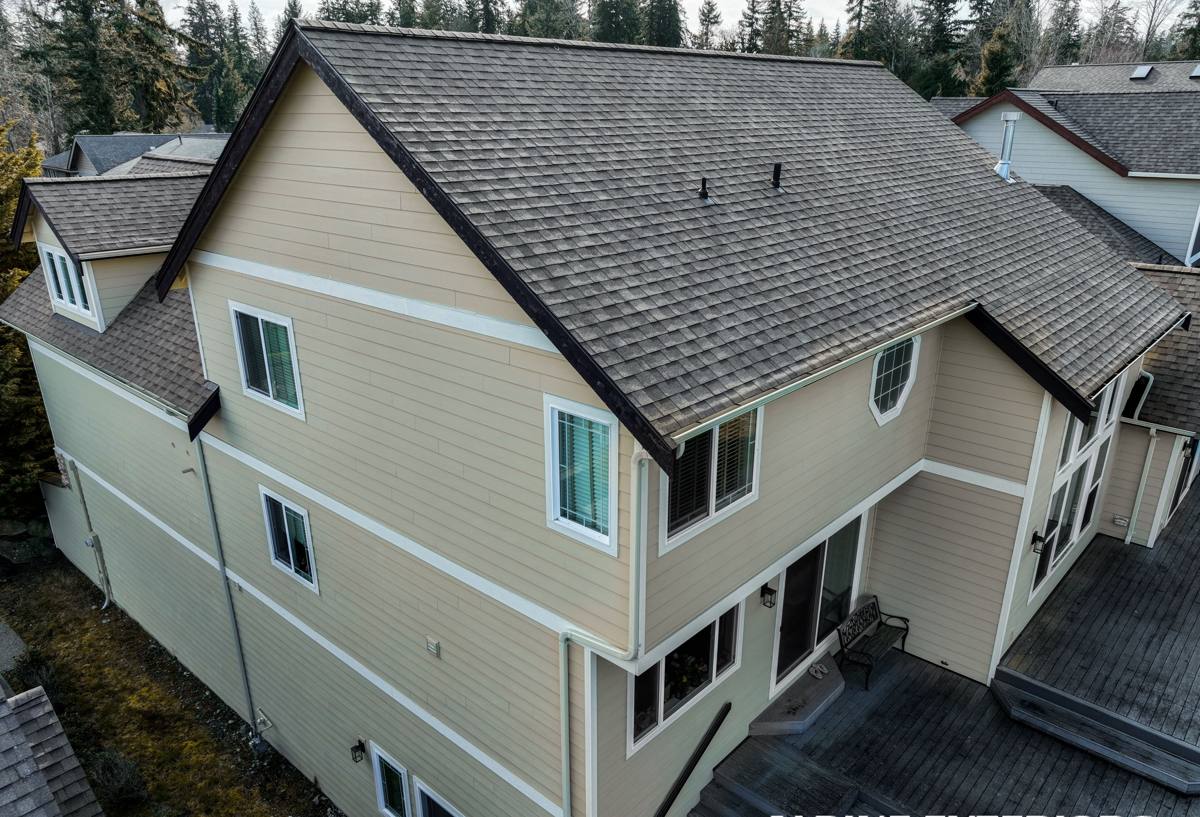
What a Sarasota Climate Actually Does to a Deck
It helps to understand the specific ways this climate attacks a deck, because it explains almost every decision in a correct build.
UV Exposure
Florida sun is relentless. Untreated or poorly finished wood grays and checks quickly, composite decking can fade unevenly depending on quality and pigment stability, and plastics and sealants that are not rated for high UV exposure break down faster than their labeled lifespan suggests. Material selection and finish quality matter more here than they would in a milder climate.
Wind-Driven Rain
Storms in this area rarely come straight down. Wind pushes rain sideways and upward, which means water gets into places a standard "shed water downhill" design never anticipates — behind ledger boards, under poorly sealed post bases, and into any gap where end grain is exposed. A deck that is not detailed for wind-driven rain will trap moisture in exactly the spots most prone to rot.
Hurricane-Force Wind Loads
Sarasota County sits in a wind-borne debris region, and decks, railings, and stair connections all need to be built to resist uplift and lateral loads, not just support the weight of people standing on them. A deck that is structurally fine for everyday use can still fail in a storm if the connections were not engineered for wind.
Salt Air Corrosion
Even inland from the barrier islands, Rosemary District gets enough salt-laden air off the Gulf to accelerate corrosion on standard fasteners and hardware. Once a fastener starts corroding, it weakens the whole connection it is part of, and it usually shows itself first as ugly staining on the deck boards around it.
Choosing the Right Decking Material
There is no single "best" decking material for every home — it depends on your budget, how much maintenance you want to take on, and how the deck will be used. Here is how the common options stack up for a Rosemary District home specifically.
| Material | UV & Fade Behavior | Maintenance | Salt Air Durability | Typical Lifespan |
|---|---|---|---|---|
| Pressure-treated pine | Grays and checks without regular sealing | High — needs re-sealing every 1-2 years | Good if fasteners are corrosion-rated | 10-15 years with upkeep |
| Tropical hardwood (e.g. ipe-type) | Fades to silver-gray unless oiled regularly | Moderate to high — periodic oiling | Very good, naturally dense | 25+ years |
| Capped composite | Stable with quality brands; low-quality composites can fade unevenly | Low — occasional washing | Excellent | 25-30 years |
| PVC decking | Very stable, resists fading well | Low | Excellent | 25-30+ years |
We do not push one material on every homeowner. What we will do is walk you through the honest trade-offs — a wood deck costs less up front but asks for more of your time and money over the years; composite and PVC cost more initially but largely remove the maintenance burden. What we steer away from is any product where the manufacturer's warranty structure or installation tolerances are not a good match for our climate, because a deck that looks great in a brochure photo and struggles in year three is not a good outcome for anyone.
Structural Details That Matter More Here Than Elsewhere
Ledger Attachment and Flashing
The ledger board — where the deck attaches to your house — is the single most common source of long-term failure on a deck anywhere, and wind-driven rain makes it a bigger risk here. Correct flashing detail keeps water from tracking behind the ledger and into your home's structural framing or sheathing. This is not an area to cut corners, and it is one of the first things we check when we look at an existing deck that has problems.
Footings and Post Bases
Footing depth and post base hardware need to account for both local soil conditions and wind uplift, not just vertical load. A post base that is only rated to hold a post down under its own weight will not necessarily keep it anchored when a storm tries to lift the whole structure.
Railing and Guard Connections
Railings take lateral force from people leaning on them and from wind. A railing post that is toe-screwed into a rim joist without proper blocking might pass a casual push test and still fail under real load. We build railing connections to resist the lateral forces the code requires, not just to look sturdy.
Joist Spacing and Board Direction
Joist spacing changes depending on the decking material you choose — composite and PVC boards generally need tighter joist spacing than solid wood to avoid bounce and long-term sagging between supports. Getting this wrong is a common cause of a deck that "feels soft" within a couple of years.
Fasteners and Hardware: The Detail Most Homeowners Never See
In a salt air environment, the fasteners and structural hardware you cannot see after the build is finished matter as much as the boards you can see. We use fasteners and connectors rated for coastal exposure — stainless steel or coated hardware appropriate to the metals involved — because standard hardware corrodes faster here than it would inland, and corroding fasteners eventually stain the decking and loosen structural connections. This is one of the least visible parts of a deck build and one of the easiest places for a lower-cost contractor to cut corners, since it does not show up on a quote line the way decking material does.
Our Deck Building Process
Every deck we build in Rosemary District follows the same process, whether it is a small platform off a back door or a larger multi-level outdoor living space.
- On-site assessment. We look at your home's structure, the ledger location, drainage patterns, sun and wind exposure, and how you actually want to use the space.
- Material and layout discussion. We walk through decking options, railing style, and layout, with honest pros and cons for each based on your budget and maintenance preference.
- Permitting and engineering. We handle the permit application through Sarasota County or the City of Sarasota as applicable, and provide any engineering documentation the plan requires.
- Foundation and framing. Footings, posts, ledger attachment with proper flashing, and joist framing sized for your chosen decking material and local wind requirements.
- Decking, railing, and stairs. Installed to the manufacturer's specifications where a warranty is involved, with corrosion-rated fasteners throughout.
- Final walkthrough and inspection. We walk the finished deck with you, and it goes through the required county or city inspection before we consider the job done.
Permitting in Sarasota County
Deck construction almost always requires a permit, and depending on height, size, and attachment to the home, an engineer's letter or plans may be required as well. Skipping permitting is a real risk — beyond the legal exposure, an unpermitted deck can complicate a home sale down the road and may not have been checked by anyone for the wind and structural requirements that actually protect you and your family. We handle the permitting process as a standard part of every deck build so you are not left navigating county requirements on your own.
Maintenance: What Actually Keeps a Deck Going
Even a well-built deck needs some ongoing attention in this climate. Here is a practical checklist for keeping a Rosemary District deck in good shape year-round.
- Rinse off salt residue, pollen, and organic debris every few weeks, more often during peak season
- Check railing posts and stair stringers annually for any movement at the connection points
- Inspect fastener heads for early rust staining, especially near the ledger and stair stringers
- Reseal or re-oil wood decking on the schedule recommended for your specific wood species
- Keep gutters and downspouts clear so runoff is not being funneled directly onto or under the deck
- Clear debris from between boards so moisture is not held against the wood or framing underneath
- After any major storm, do a visual check of railings, stairs, and the ledger connection before heavy use
Why a Crew That Already Works Rosemary District Matters
A deck built by a crew that has already worked through Sarasota County's permitting process and understands how this specific climate treats decking materials and hardware is a different outcome than one built by a crew that is guessing at local conditions. We know which details actually matter here — ledger flashing, fastener corrosion resistance, wind-rated railing connections — because we have seen what happens when those details are skipped. That is not something you can fully verify from a sales brochure or a national franchise's standard spec sheet; it comes from building in this exact environment, on homes like yours, in a neighborhood we already know.
Let's Talk About Your Deck
If you are planning a new deck or need to talk through repairing or replacing one that has not held up, we are happy to take a look and give you an honest read on what your home needs. Reach out for a free, no-pressure estimate — we will walk the site with you, answer your questions about materials and cost, and give you a clear picture before you decide anything.