 Sarasota Roofing
 Building a Deck in Fruitville: What the Location Actually Demands
Fruitville sits inland from the coast along the Fruitville Road corridor east of downtown Sarasota, but "inland" in Sarasota County doesn't mean sheltered. Homes here still see the same subtropical sun, the same summer thunderstorm pattern, and the same salt-laden air that moves off the Gulf and settles over the whole county. A deck built for a mild climate simply doesn't hold up the same way here, and a lot of the deck problems we get called out to inspect trace back to a build that never accounted for local conditions in the first place.
This page is about one job, done right, for this area: building a deck that's designed and assembled to handle what Sarasota County actually throws at it, not a generic build dropped into a hot, humid, storm-prone environment.
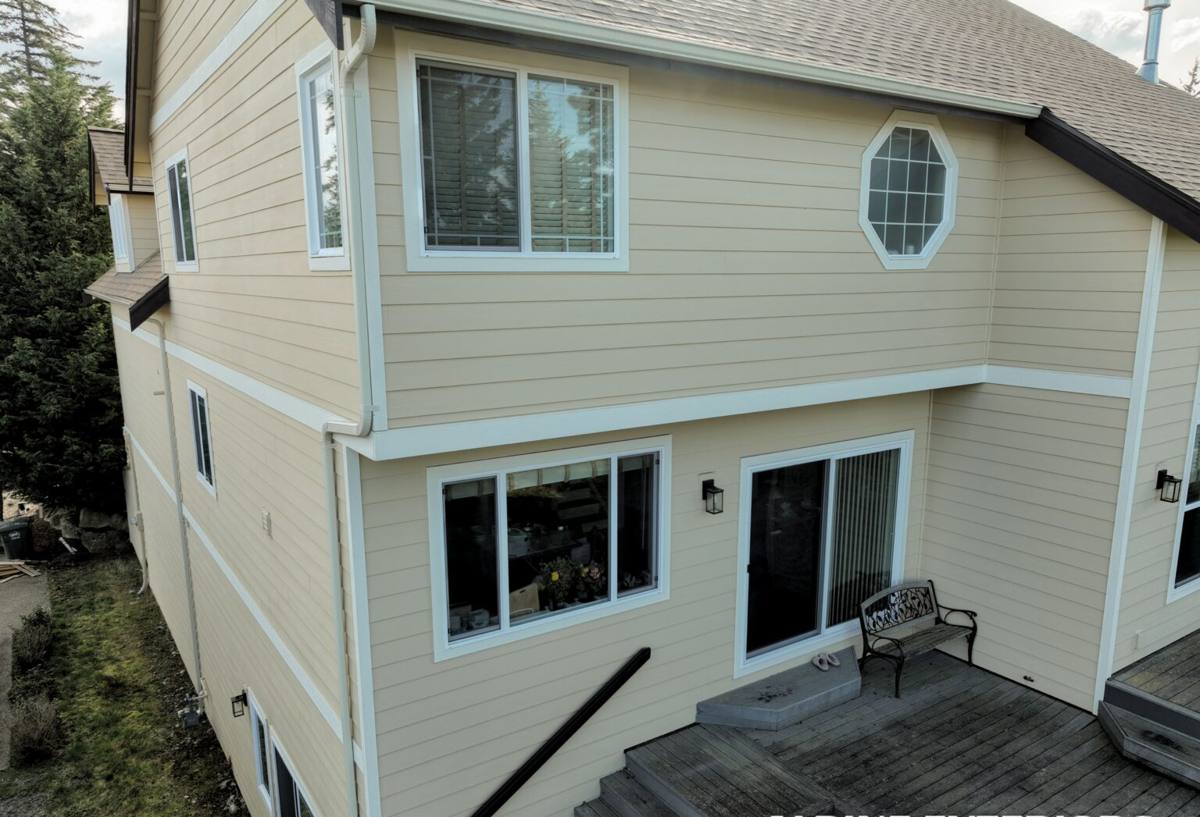
What Sarasota's Climate Does to an Outdoor Deck
UV Exposure
Florida sun is intense and consistent nearly year-round. On a deck, that means constant thermal cycling — boards heat up, expand, cool down, contract, day after day. Untreated or poorly finished wood grays, cracks, and splinters faster here than almost anywhere else in the country. Even capped composite products can fade if a low-grade material is used.
Wind-Driven Rain and Humidity
Sarasota's rainy season brings heavy, often wind-driven rain that gets pushed sideways into gaps, fastener heads, and end grain that a vertical rain would never reach. Combined with the region's baseline humidity, that moisture doesn't evaporate quickly. Wood that isn't properly sealed on cut ends, and framing that doesn't drain and ventilate underneath, stays damp longer than it should — which is exactly the condition that leads to rot and fastener corrosion.
Salt Air and Corrosion
You don't have to be beachfront to feel the effects of salt air in this county. It travels on the breeze and slowly attacks lower-grade metal — screws, joist hangers, bolts, railing brackets. Once a fastener starts corroding, it loses holding strength long before it looks obviously bad, which is part of why fastener selection matters as much as the decking material itself.
Hurricane-Force Wind Loads
Sarasota County's building code reflects its exposure to tropical storms and hurricanes. A deck isn't just a platform — it's a structure that has to resist uplift and lateral load, especially if it's attached to the house or supports a roof, pergola, or railing that catches wind. Ledger attachment, post anchoring, and railing post connections all get evaluated with that in mind.
Choosing Decking Material for a Fruitville Backyard
There's no single "best" decking material — there's a best material for your budget, your maintenance appetite, and how the deck will be used. Here's how the common options actually compare under Sarasota conditions.
| Material | Upfront Cost | Maintenance | Performance in Sun, Rain & Salt Air | Typical Lifespan |
|---|---|---|---|---|
| Pressure-treated pine | Lowest | Annual sealing/staining recommended | Prone to graying and splitting if not maintained; needs sealed end cuts | 10–15 years with upkeep |
| Composite (capped) | Mid to upper-mid | Occasional washing, no sealing or staining | Handles UV and moisture well; quality varies by brand and cap thickness | 25–30+ years |
| Tropical hardwood | Upper-mid to high | Periodic oiling to maintain color and prevent checking | Naturally dense and rot-resistant, but still needs UV protection | 20–25+ years |
| PVC / cellular decking | Highest | Lowest — wipe-down cleaning only | Doesn't absorb moisture; very stable in sun and salt exposure | 25–30+ years |
For most Fruitville homeowners, the real decision comes down to how much maintenance you're willing to keep up with over the years. Pressure-treated pine is the honest budget choice, but only if you'll actually reseal it. Composite and PVC cost more up front and pay it back in time you're not spending on upkeep. Hardwood sits in between — beautiful and durable, but it wants attention too.
What's Underneath Matters More Than What's On Top
Homeowners naturally focus on decking boards because that's what you see and walk on, but the framing underneath is what determines whether the deck is safe and how long it actually lasts. In this climate, we pay particular attention to:
- Footings: sized and set to local frost-free depth requirements and soil conditions, not guessed at.
- Ledger board attachment: properly flashed where the deck meets the house, so wind-driven rain doesn't work its way behind the siding or into the rim joist over time.
- Joist spacing and hangers: matched to the decking material's span rating — composite and hardwood often need tighter joist spacing than standard pine.
- Post-to-beam and post-to-footing connections: engineered for uplift resistance, not just downward load, given the wind exposure here.
- Under-deck ventilation and drainage: framing set up so water sheds away instead of pooling against wood or trapping humidity underneath.
A deck that looks identical on top can perform completely differently underneath depending on whether these details were handled correctly. This is the part of the job that isn't visible after the final board goes down, which is exactly why it has to be done right the first time.
Hardware and Fasteners: The Part Nobody Sees but Everyone Relies On
Standard zinc-coated screws and brackets are not a good match for Sarasota's salt air and humidity. We build with stainless steel or hot-dip galvanized fasteners, joist hangers, and structural hardware rated for coastal or corrosive-exposure use. It costs more than hardware-store-grade fasteners, but it's one of the cheapest ways to add years of structural life to a deck, because corroded fasteners are one of the most common causes of premature deck failure we see in this region — long before the decking boards themselves would need replacing.
Permitting and Inspections in Sarasota County
Deck construction in Sarasota County generally requires a building permit, and inspections at key stages — typically footings, framing, and final. The permitting process also confirms wind load and structural requirements specific to your property's location and the deck's design (attached vs. freestanding, height above grade, and railing requirements all factor in). Skipping permits might seem faster, but it creates real problems later: unpermitted structures can complicate home sales, insurance claims, and future renovations. We handle the permit process and inspections as a standard part of the job, not an add-on.
Our Deck Building Process
- On-site assessment: we look at grade, drainage, sun exposure, existing structure (if replacing a deck), and how you actually plan to use the space.
- Design and material selection: layout, decking material, railing style, and any add-ons like stairs or built-in seating, matched to your budget and maintenance preferences.
- Permitting: we prepare and submit what Sarasota County requires and schedule inspections along the way.
- Demolition and site prep (if applicable): removal of an old deck and correction of any hidden rot or damage to the ledger area before rebuilding.
- Framing: footings, posts, beams, and joists built to code and to the wind and moisture conditions specific to this area.
- Decking, railing, and finish work: boards, railings, stairs, and hardware installed with attention to fastener spacing, expansion gaps, and clean sightlines.
- Final walkthrough and inspection: we review the finished deck with you and close out the permit with the county.
Keeping a Fruitville Deck Looking Good for Decades
Even a well-built deck needs some seasonal attention in this climate. A simple annual routine goes a long way:
- Rinse the deck surface periodically to remove salt residue, pollen, and organic buildup before it stains or feeds mildew.
- Check fastener heads and railing connections once a year for early signs of corrosion or loosening.
- Reseal or restain wood and hardwood decking on the schedule the product calls for — don't wait until it's visibly gray and dry.
- Keep gutters and downspouts near the deck clear so water isn't dumping directly onto or under the structure.
- Trim back vegetation that's shading boards and keeping them damp longer than they should be.
- After a major storm, do a quick visual check of posts, railings, and stairs before regular use resumes.
Why Hire a Crew That Already Works in Fruitville
Building codes, wind load requirements, and permitting steps vary by county and jurisdiction, and Sarasota County has its own specific requirements that a crew unfamiliar with the area can easily misjudge. A contractor who regularly works in and around Fruitville already knows the local permitting office's expectations, understands how this specific climate treats different materials over time, and has seen firsthand which shortcuts show up as callbacks two or three years down the road. That experience shows up in fewer surprises during the build and a deck that's still solid well after the first few Florida summers and storm seasons have had their say.
If you're thinking about a new deck or need to replace one that's past its prime, we're happy to walk the property with you and put together a straightforward, no-pressure estimate. Fill out the form below and we'll follow up to schedule a time that works for you.