 Sarasota Roofing
 Why Bee Ridge Homes Put Real Demands on Siding
Bee Ridge sits inland from the Gulf compared to the barrier islands, but "inland" in Sarasota County still means salt-laden air, tropical humidity, and the same hurricane exposure that the rest of the region deals with every storm season. Homes here take a combination of stresses that few other parts of the country see all at once: sustained UV load that runs nearly year-round, wind-driven rain that gets forced sideways into siding seams and laps, and the kind of humidity that keeps moisture sitting against exterior walls long after a storm passes. Add in the occasional hurricane-force wind event, and you have a climate that is genuinely hard on exterior building materials.
Siding in Bee Ridge isn't just a cosmetic layer — it's the first line of defense for the wall assembly behind it. When it's the wrong product, or the right product installed poorly, problems don't stay cosmetic for long. Paint fails early, seams open up, moisture works its way behind panels, and what should have been a 30-plus-year exterior turns into a 10-year replacement job.
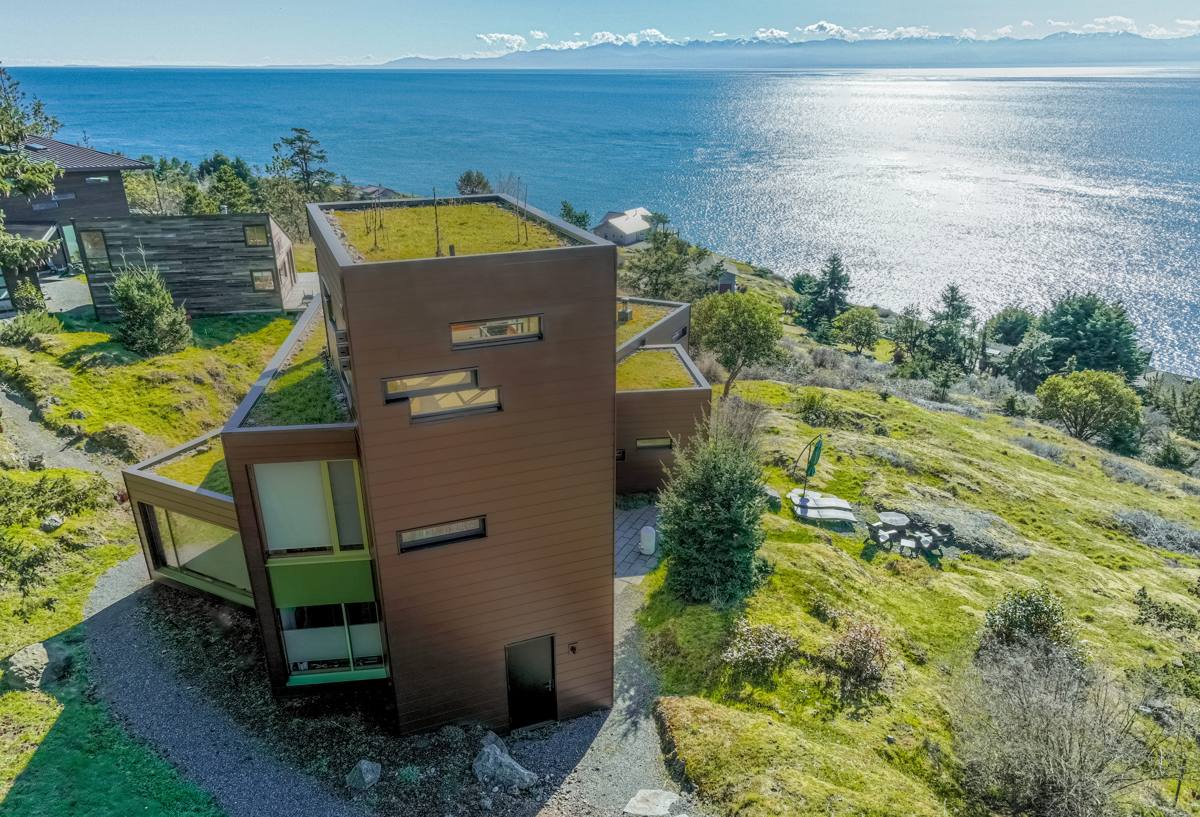
What This Climate Does to the Wrong Siding Choice
Every siding material reacts differently to Sarasota's conditions, and the failure patterns are predictable once you've seen enough of them:
- Vinyl softens and can warp under sustained high heat and direct sun exposure, and it has real wind-load limits that matter in a hurricane-prone county.
- Wood-based products (primed spruce, cedar) absorb moisture at cut edges and fastener penetrations; in a humid climate that means rot risk unless every edge is sealed and maintained without fail.
- Engineered wood siding (LP SmartSide) holds up reasonably well when installation and maintenance are perfect, but it's still a wood-strand product at its core, and moisture management has to be flawless for its full service life to hold up here.
- Lower-grade fiber cement (Cemplank, Allura, and similar) can perform, but factory finish quality, warranty structure, and manufacturer engineering for coastal wind zones vary product to product.
We install James Hardie fiber cement exclusively, and this page explains what that means specifically for a Bee Ridge home — not the general case, but what a correct job looks like on the ground here.
Why We Standardized on James Hardie
Fiber cement as a category is non-combustible and dimensionally stable in ways wood and vinyl products aren't, but not all fiber cement is engineered the same way. James Hardie builds region-specific formulations under its HZ product system, with an HZ5 line engineered for hot, humid, high-moisture climates like Florida's Gulf Coast. That regional engineering — plus the ColorPlus factory-applied finish, which cures under controlled conditions rather than relying on field-applied paint — is why we don't install other siding brands or materials. It's not that other products can't function; it's that after years of installs and repairs in this climate, Hardie's combination of engineering, finish durability, and warranty backing is what we're willing to put our name behind on a Bee Ridge home.
The ColorPlus finish matters more here than in milder climates. A factory-baked finish resists the fading and chalking that intense, near-constant Florida UV causes in field-applied paint, and it carries its own finish warranty separate from the substrate warranty — two layers of manufacturer backing instead of one.
James Hardie Product Lines Suited to This Area
| Product Line | Typical Use | Why It Fits Sarasota County |
|---|---|---|
| HardiePlank Lap Siding | Primary wall cladding, most common choice | HZ5 formulation engineered for high humidity and moisture exposure |
| HardiePanel Vertical Siding | Accent walls, gables, modern facades | Fewer horizontal laps means fewer water entry points in wind-driven rain |
| HardieTrim | Corners, fascia, window and door trim | Matches substrate durability so trim doesn't fail before the field siding does |
| HardieSoffit | Vented and non-vented soffit panels | Resists the moisture and pest issues that plague wood soffit in humid climates |
What a Correct Installation Actually Involves
Fiber cement performs to its rated lifespan only when it's installed to manufacturer specification — and in a wind and moisture climate like this one, the margin for error is smaller than in drier, calmer regions. A correct installation on a Bee Ridge home includes:
- A water-resistive barrier installed and lapped correctly behind the siding, not just tacked up as an afterthought.
- Proper flashing at every window, door, and roof-to-wall intersection — the places wind-driven rain actually gets pushed into a wall assembly.
- Correct fastener type, spacing, and penetration depth per Hardie's published installation manual, not generic siding nailing patterns.
- Minimum clearance from grade, roof lines, and decking so the siding bottom edge isn't sitting in standing water or splashback.
- Field-cut edges sealed with the correct primer/sealant where panels are trimmed on site.
- Joint and seam treatment that accounts for expansion and contraction across Sarasota's temperature and humidity swings.
Skip any one of these steps and you can end up with a premium product performing like a budget one. This is where installer experience matters as much as the material choice — Hardie's warranty itself is conditioned on installation following their published specs.
Our Process on a Bee Ridge Siding Job
1. On-Site Assessment
We walk the home in person, check the current siding and sheathing condition, look for existing moisture damage, and note anything about the property's exposure — tree cover, prevailing wind direction, drainage patterns — that affects the install plan.
2. Scope and Product Selection
We walk through plank versus panel options, trim details, and color, and put together a written scope so there's no ambiguity about what's included before work starts.
3. Tear-Off and Substrate Check
Old siding comes off and we inspect the sheathing underneath. Any rot or water damage found at this stage gets addressed before new siding goes up — covering a compromised substrate with new siding just hides the problem.
4. Water Barrier and Flashing
This is the step that determines whether the wall assembly actually sheds water the way it's supposed to for the next few decades. We don't shortcut it.
5. Installation to Manufacturer Spec
Fastening, spacing, clearances, and joint treatment follow Hardie's published requirements — the same requirements their warranty is conditioned on.
6. Final Walkthrough
We go over the finished job with the homeowner, including care and maintenance basics specific to the product and finish installed.
Maintenance and Longevity in This Climate
One of the practical advantages of factory-finished fiber cement is how little upkeep it asks for compared to wood or field-painted siding. That said, "low maintenance" isn't "no maintenance" — especially in a humid, salt-air environment. A reasonable maintenance rhythm for a Bee Ridge home includes:
- An annual visual walk-around, ideally after hurricane season, checking for caulk failure at trim joints and any impact damage.
- Periodic gentle washing to clear salt residue, pollen, and mildew buildup that Florida's humidity encourages.
- Prompt caulk touch-up at seams and penetrations — caulk fails well before the siding substrate does, and it's cheap insurance against water intrusion.
- Keeping irrigation heads and sprinklers from spraying directly on siding, which accelerates finish wear and mineral staining.
Done right, a James Hardie installation in this climate is engineered to hold its finish and structural integrity for decades, backed by a transferable warranty — a meaningful factor if the home changes hands.
Signs Your Current Siding Needs Attention
Homeowners in Bee Ridge often live with early warning signs longer than they should, mostly because they're subtle at first. Watch for:
- Paint that's chalking, peeling, or fading unevenly across a wall.
- Soft spots or visible warping, especially near ground level or under windows.
- Gaps opening up at seams, corners, or trim joints.
- Staining or discoloration that keeps returning after cleaning — often a sign of moisture working from behind.
- Visible cracking or buckling after a storm, even minor cracking that seems cosmetic.
- A musty smell near exterior walls inside the home, which can point to moisture already behind the siding.
Any one of these is worth a professional look before the next storm season, not after.
Why a Crew That Already Works Bee Ridge Matters
Siding installation isn't identical everywhere in Florida, let alone the country. A crew that already works Sarasota County homes has already dealt with the local permitting process, understands how Bee Ridge's mix of home ages and construction types affects the substrate they're working over, and has a feel for how the area's specific combination of sun exposure and storm patterns plays out on real walls, not just in a manual. That local track record shows up in fewer surprises mid-job and a finished product that's actually built for what this specific area throws at it — not a generic install plan borrowed from a drier, calmer climate.
If you're weighing a siding replacement or repair on a Bee Ridge home, we're happy to take a look and walk you through what we'd recommend and why. Reach out for a free, no-pressure estimate using the form below.