 Sarasota Roofing
 Building a Deck That Actually Holds Up in Bee Ridge
Bee Ridge is one of Sarasota County's established residential areas, sitting a bit inland from the barrier islands but still squarely inside the same Gulf Coast weather pattern that shapes every outdoor structure in this region. That means a deck here has to survive the same hurricane-force wind gusts, the same relentless UV exposure, the same wind-driven summer downpours, and the same salt-laden air that moves inland on sea breezes off Sarasota Bay. A deck that was built to a generic national spec, or built by a crew that mostly works further north where winters do the wearing instead of the sun, tends to show its age fast down here. A deck built for this specific climate does not.
This page is about one thing: custom deck design and construction for Bee Ridge properties, and what separates a deck that looks good for two seasons from one that still looks good in ten.
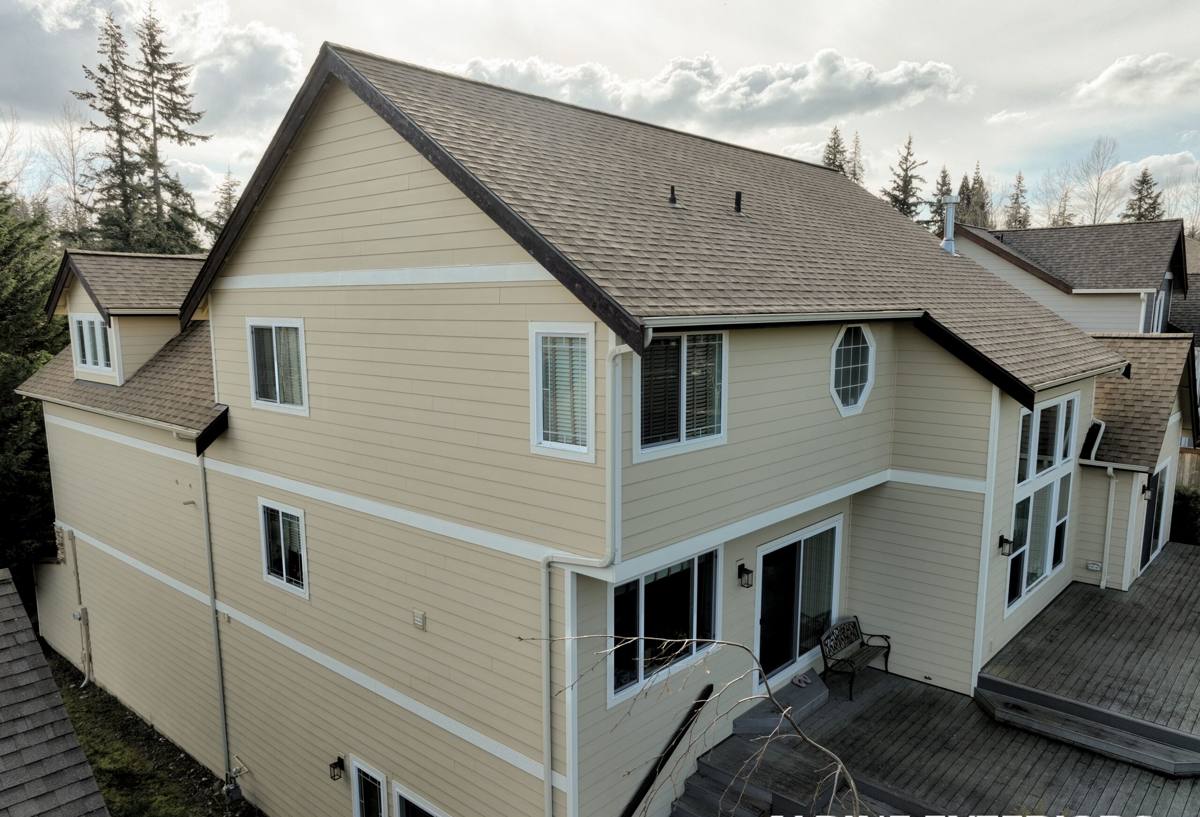
What "Custom" Should Actually Mean
Every deck is technically custom in the sense that it's built on-site to fit a specific yard. But a genuinely custom deck starts with how the space is actually used and how the house sits on the lot, not with a stock rectangle attached to the back door.
Reading the Lot First
Bee Ridge lots vary — some have mature tree canopy that throws real shade for part of the day, some are more open and take full sun most of the afternoon, some slope enough that a deck needs real engineering to land level and drain correctly. A custom design accounts for sun exposure, existing landscaping, sightlines from inside the house, and how close the structure sits to property lines, before a single board gets cut.
Matching the Deck to How You'll Use It
A deck meant for grilling and a couple of chairs is a different build than one meant to anchor outdoor dining, hold a hot tub, or wrap around toward a pool cage. Load requirements, footing spacing, and even railing style all follow from that use — which is why a real design conversation up front saves rework later.
Choosing Decking Material for This Climate
Material choice matters more in Sarasota County than in most parts of the country, because the combination of intense UV, high humidity, and periodic soaking rain is a tougher test than almost any other U.S. climate puts a deck through. Here's how the common options actually perform here, not in a showroom.
| Material | Upfront Cost | Maintenance | Heat Underfoot | How It Holds Up Locally |
|---|---|---|---|---|
| Pressure-treated pine | Lowest | Sealing every 1–2 years | Moderate | Affordable and workable, but needs consistent upkeep to resist checking, cupping, and moisture damage in our humidity |
| Composite decking | Mid to high | Occasional washing, no sealing | Can run hot in direct sun | Resists rot and doesn't need refinishing, but quality varies a lot by product line — capped composites hold color better than uncapped |
| PVC / cellular PVC | High | Lowest — soap and water | Runs hottest of the group | Fully moisture-proof, handles salt air and UV well, but is the most expensive option and installs less forgivingly |
| Tropical hardwood (e.g., ipe) | High | Periodic oiling to keep color | Stays cooler than composite/PVC | Naturally dense and rot-resistant, but requires disciplined maintenance or it silvers and can develop surface checking |
There's no single "right" answer here — it's a trade-off between upfront cost, how much upkeep you actually want to do, and how the deck will feel underfoot on a July afternoon. We'll walk through the real trade-offs for your specific project rather than pushing whatever has the best margin.
Framing and Structure: Building for Real Wind Loads
The part of a deck nobody sees is the part that matters most once a storm rolls through. Sarasota County's building code reflects the region's wind exposure, and a deck that's only "up to code on paper" but poorly executed in the field is where problems show up first — usually at the ledger board attachment or the post connections.
Fasteners and Hardware
Standard hardware corrodes faster in coastal humidity and salt air than most homeowners expect. We use stainless steel or hot-dip galvanized fasteners and connectors rated for coastal exposure, not the cheapest hardware that happens to fit — a deck is only as strong as its weakest connection point.
Footings, Posts, and Attachment
Footing depth and post spacing need to account for local soil conditions and wind uplift, not just weight. Ledger board attachment to the house — where a deck connects to an existing structure — is one of the most common failure points on poorly built decks, and it's also one of the easiest to get right with proper flashing and fastening.
Permits and Inspections
Custom decks in Sarasota County typically require a permit and inspection, and for good reason — it's the check that confirms the framing and attachment will actually perform in a real wind event, not just look finished. We handle the permitting process as part of the build rather than treating it as an afterthought.
Design Choices That Fit a Bee Ridge Backyard
Shade and Tree Canopy
Where a lot has established shade trees, working around the canopy rather than against it can make a deck usable in the middle of a Florida afternoon instead of only at dawn and dusk. Where a yard is more open, we'll talk through pergolas, shade sails, or orientation choices that cut down direct sun exposure without blocking the whole view.
Drainage and Grading
Florida's wind-driven rain doesn't fall straight down — it drives sideways, pools where it shouldn't, and finds any low spot in the yard. A deck built without attention to grading and drainage underneath and around it can turn into a standing-water problem during our wet season. Proper spacing between boards, correct slope, and thought given to where runoff actually goes are part of a correct design, not an add-on.
Pools, Screens, and Multi-Level Layouts
Many Sarasota-area decks connect to a pool area or transition into a screened lanai. Multi-level layouts and decks that tie into an existing pool cage need coordinated planning between the deck structure and whatever it's attaching to, so the transitions are clean and structurally sound rather than an obvious add-on.
How Our Process Works
- On-site consultation: We walk the property, look at sun exposure, drainage, existing structures, and talk through how you actually want to use the space.
- Design and material selection: We put together a layout and material recommendation based on your budget, maintenance preferences, and the realities of this climate.
- Permitting: We handle the Sarasota County permit process and make sure the design meets current wind and structural requirements.
- Construction: Framing first, with proper fasteners, footings, and ledger attachment, followed by decking, railing, and any finish work.
- Final walkthrough and inspection: We confirm everything passes inspection and walk you through basic care for whatever material you chose.
Maintaining a Deck Through Sarasota's Sun, Rain, and Salt Air
Even the right material and the best framing still benefit from some routine attention in this climate. A little consistency goes a lot further here than it would in a milder climate, simply because UV and humidity don't let up for months at a time the way they do up north.
- Rinse off salt residue, pollen, and organic debris regularly, especially after storms
- Reseal or oil wood decking on the schedule the product actually calls for — skipping a cycle in Florida shows up faster than elsewhere
- Check fastener heads and railing connections once or twice a year for early signs of corrosion
- Keep gaps between boards clear of leaves and debris so water keeps draining properly
- Watch for soft spots or discoloration near ledger boards and post bases — early signs of moisture intrusion are far cheaper to fix than deferred ones
Cost Factors Worth Understanding
Deck pricing depends on more than square footage. A few things that move the number up or down on most Bee Ridge projects:
- Material choice — pressure-treated, composite, PVC, and hardwood all sit at different price points, as shown above
- Height and grade changes — a deck that has to climb away from a sloped yard needs more structure than one built low to the ground
- Railing style and any built-in features like benches, planters, or lighting
- Whether the deck ties into an existing pool cage, lanai, or other structure, which adds coordination and flashing work
- Permitting and inspection requirements based on size and attachment method
We'll always walk you through where your budget is going and where there's room to adjust without cutting corners on the parts that affect longevity — the framing, the fasteners, and the attachment points.
Why Hiring a Crew That Already Works in Bee Ridge Matters
A contractor who works regularly in Sarasota County already knows the local permitting process, understands the wind and moisture demands of this specific climate, and has seen how different decking materials actually age here — not just how they're marketed. That familiarity shows up in fewer surprises during permitting, fewer callbacks after the first hard rain, and a deck that's designed for the yard you actually have rather than a generic template. It also means someone who can talk through trade-offs honestly, including telling you when a cheaper material will cost more in upkeep over time, or when a design idea won't hold up structurally the way it looks on paper.
If you're thinking about a custom deck for your Bee Ridge home, we're happy to walk the property, talk through material and design options, and give you a straightforward, no-pressure estimate — just fill out the form below to get started.