 Sarasota Roofing
 Asphalt Shingle Roofing Built for Bee Ridge's Climate
Bee Ridge sits inland enough to avoid direct coastal spray but close enough to Sarasota Bay and the Gulf that salt air, humidity, and hurricane-season wind still shape how a roof ages here. Homes in this part of Sarasota County see the same demands as the rest of the region: sustained summer heat that bakes shingles from above, sudden tropical downpours that test every seam and flashing point, and the occasional tropical storm or hurricane that pushes wind-driven rain sideways under anything not properly sealed. Asphalt shingle roofing remains the most practical, cost-effective option for most Bee Ridge homes when it's specified and installed correctly for this climate — the key phrase being "for this climate." A shingle roof built to a generic national spec will underperform here. One built with Gulf Coast wind and UV exposure in mind will hold up as it should.
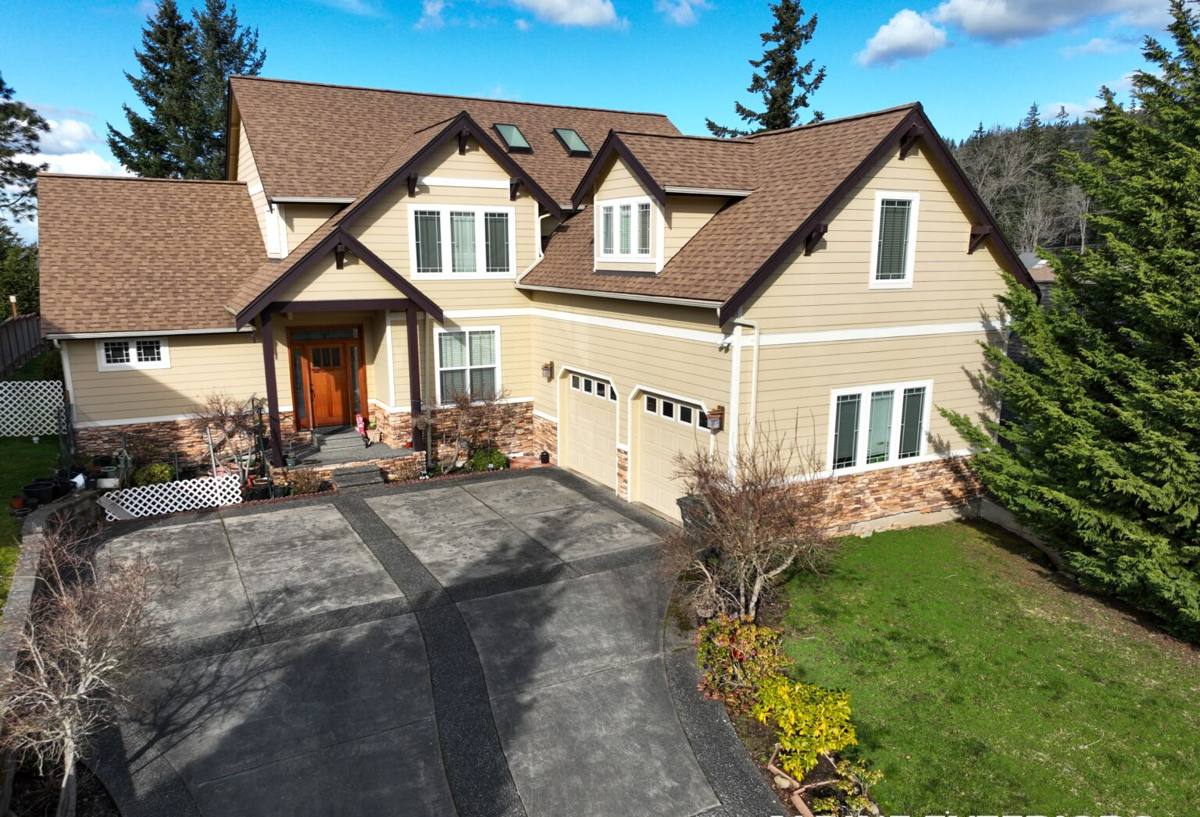
What Bee Ridge Homes Actually Need From a Shingle Roof
Not every asphalt shingle product or installation method performs equally well in Sarasota County. Before we talk about our process, it's worth being clear about what local conditions actually demand:
Wind Resistance That Matches Real Storm Exposure
Florida Building Code sets minimum wind-rating requirements by region, and Sarasota County's requirements reflect its hurricane exposure. Architectural shingles rated for higher wind speeds, installed with the correct nailing pattern and nail count, are the baseline — not an upgrade — for a Bee Ridge roof. Underrated shingles or a rushed nailing job are the two most common reasons we see wind damage on roofs that are otherwise still "young."
UV and Heat Tolerance
Sarasota gets intense, nearly year-round sun. UV breaks down the asphalt binders in shingles over time, which is why granule loss and premature brittleness show up faster here than in cooler climates. Shingle quality and proper attic ventilation both matter more in this heat than most homeowners realize — a hot, poorly ventilated attic bakes a roof from underneath as much as the sun bakes it from above.
Wind-Driven Rain Management
It's rarely the shingles themselves that leak first — it's the transitions: valleys, flashing around penetrations, and the underlayment beneath the shingles. Wind-driven rain during a tropical system can drive water sideways and even slightly uphill under a shingle tab, which is exactly why underlayment choice and flashing detail work matter as much as the shingle brand on top.
Salt Air and Corrosion
Even set back from the immediate coastline, Bee Ridge homes are exposed to salt-laden air carried inland. Fasteners, flashing, and any exposed metal components need corrosion-resistant materials — a detail that's easy to skip and hard to notice until it fails.
What a Correctly Installed Shingle Roof Includes
A roof that's going to hold up under Sarasota County conditions isn't just shingles nailed to plywood. Every layer does a job:
- Deck inspection and repair — any soft, delaminated, or water-damaged decking gets replaced before anything goes on top of it, not patched around.
- Self-adhering underlayment at eaves, valleys, and penetrations — the secondary water barrier that matters most when wind drives rain under the shingle layer.
- Synthetic or felt underlayment across the field — chosen for the roof's exposure and pitch, not just the cheapest option on the truck.
- Drip edge at eaves and rakes — directs water off the deck edge instead of letting it wick back into the fascia.
- Properly rated architectural shingles — matched to the wind-speed requirements for this part of Sarasota County.
- Correct nailing pattern and nail count — per manufacturer and code specification, not "close enough."
- Corrosion-resistant flashing at all penetrations, valleys, and wall transitions — pipe boots, chimney flashing, skylight curbs, and step flashing where a roof meets a wall.
- Ridge vent or equivalent attic ventilation — balanced intake and exhaust so heat and moisture don't build up under the deck.
Our Process for a Bee Ridge Roof Replacement
1. On-Site Inspection and Honest Assessment
We look at the whole system — deck condition, existing ventilation, flashing details, and any signs of past leaks — not just the shingles on top. You get a plain-English explanation of what's actually wrong and what's optional versus necessary.
2. Written Scope and Estimate
Before any work starts, you get a detailed scope covering materials, underlayment type, flashing work, and ventilation plan, along with a clear price. No vague line items.
3. Tear-Off and Deck Inspection
Full tear-off to the deck lets us actually see the plywood condition and catch any hidden damage from old leaks, rather than covering it up. Damaged sections get replaced.
4. Underlayment and Flashing First
The water-management layer goes down correctly — self-adhering membrane at vulnerable areas, new drip edge, and new flashing at every penetration and wall transition. This is the layer that determines whether a roof leaks during a tropical storm, regardless of how good the shingles look.
5. Shingle Installation to Spec
Shingles go down with the manufacturer's specified nailing pattern and count, matched to the wind-rating requirements for this area — not a generic installation shortcut.
6. Ventilation Check and Final Walkthrough
We confirm intake and exhaust ventilation is balanced, clean up the site, and walk the roof with you if requested so you understand what was done and why.
Cost Factors for a Bee Ridge Asphalt Shingle Roof
Every roof is different, but the same handful of factors drive most of the price variation we see on Sarasota County homes:
| Factor | Why It Affects Cost |
|---|---|
| Roof size and number of facets | More squares and more valleys/hips mean more material and labor time |
| Deck condition | Rotted or delaminated plywood found at tear-off requires replacement before shingles go on |
| Shingle wind rating and quality tier | Higher wind-rated architectural shingles cost more than basic three-tab, but are the appropriate baseline here |
| Underlayment upgrade | Self-adhering membrane in wind-vulnerable areas adds cost but reduces leak risk |
| Number of penetrations | Chimneys, skylights, and multiple vent stacks each require individual flashing work |
| Existing ventilation | Adding or upgrading ridge/soffit ventilation on an older home adds scope |
| Roof pitch and access | Steeper pitches and difficult access slow down safe, careful work |
We don't quote a number without seeing the roof, because any of these can shift a price significantly — but we'll walk you through exactly which factors apply to your home before you commit to anything.
Signs a Bee Ridge Roof Needs Attention
Homeowners often wait until there's an active leak, but shingle roofs usually give warning signs first:
- Granules collecting in gutters or at downspout outlets
- Shingles that look curled, cupped, or cracked, especially on south- and west-facing slopes
- Bald spots where granules have worn away, exposing the asphalt mat underneath
- Shingle tabs lifted or missing after a windstorm
- Soft spots noticeable when walking the roof
- Daylight visible through the attic decking
- Water stains on interior ceilings, especially near valleys or chimneys
- Musty attic smell suggesting trapped moisture
Any one of these on its own may not mean a full replacement is needed — sometimes it's a repair. But on a roof approaching or past the back half of its expected service life, they're worth having looked at before the next major storm season.
Why Local Experience in Bee Ridge Matters
A crew that regularly works in and around Bee Ridge and greater Sarasota knows the wind-rating requirements Sarasota County enforces, understands how the local permitting and inspection process works, and has already seen how different shingle products and installation details hold up through actual Gulf Coast hurricane seasons — not just a manufacturer's lab testing. That local track record matters more than it sounds: it's the difference between a roof that's technically code-compliant on paper and one that's actually built for the storms this area sees. It also means faster response if a storm does cause damage, because we're not traveling in from outside the area to assess it.
Maintenance That Extends Roof Life in This Climate
A correctly installed shingle roof in Sarasota County can still lose years of service life to neglect. A few habits make a real difference:
- Keep gutters and valleys clear of debris so water doesn't pool or back up under shingles
- Trim back overhanging branches that drop debris or scrape shingles in wind
- Have the roof inspected after any major storm, even if there's no visible interior leak
- Address small flashing or sealant issues promptly, before wind-driven rain finds them during the next storm
- Confirm attic ventilation isn't blocked by insulation or debris, especially after any attic work
If your Bee Ridge home needs a new shingle roof, a repair, or simply an honest inspection to know where things stand, we're glad to take a look. Use the form below to request a free, no-pressure estimate — we'll assess the roof, explain what we find in plain terms, and give you a clear, written price before any work begins.