 Sarasota Roofing
 Asphalt Shingle Roofing Built for The Meadows
The Meadows sits inland from the coast, but "inland" in Sarasota County doesn't mean sheltered. Homes here still take the full brunt of hurricane-force wind gusts, sit under intense subtropical UV for most of the year, and deal with wind-driven rain that finds every weak seam in a roof system. The neighborhood's mature tree canopy adds its own wear pattern — shade that keeps shingles cooler in some spots but also drops debris, holds moisture longer after a storm, and shortens the life of a roof that isn't properly ventilated. An asphalt shingle roof installed correctly for this specific combination of conditions performs very differently than one installed to a generic spec sheet.
This page covers what a correct asphalt shingle roofing job looks like for a home in The Meadows, what tends to go wrong when it's done without local knowledge, and how our process is built around this neighborhood specifically rather than a one-size-fits-all approach.
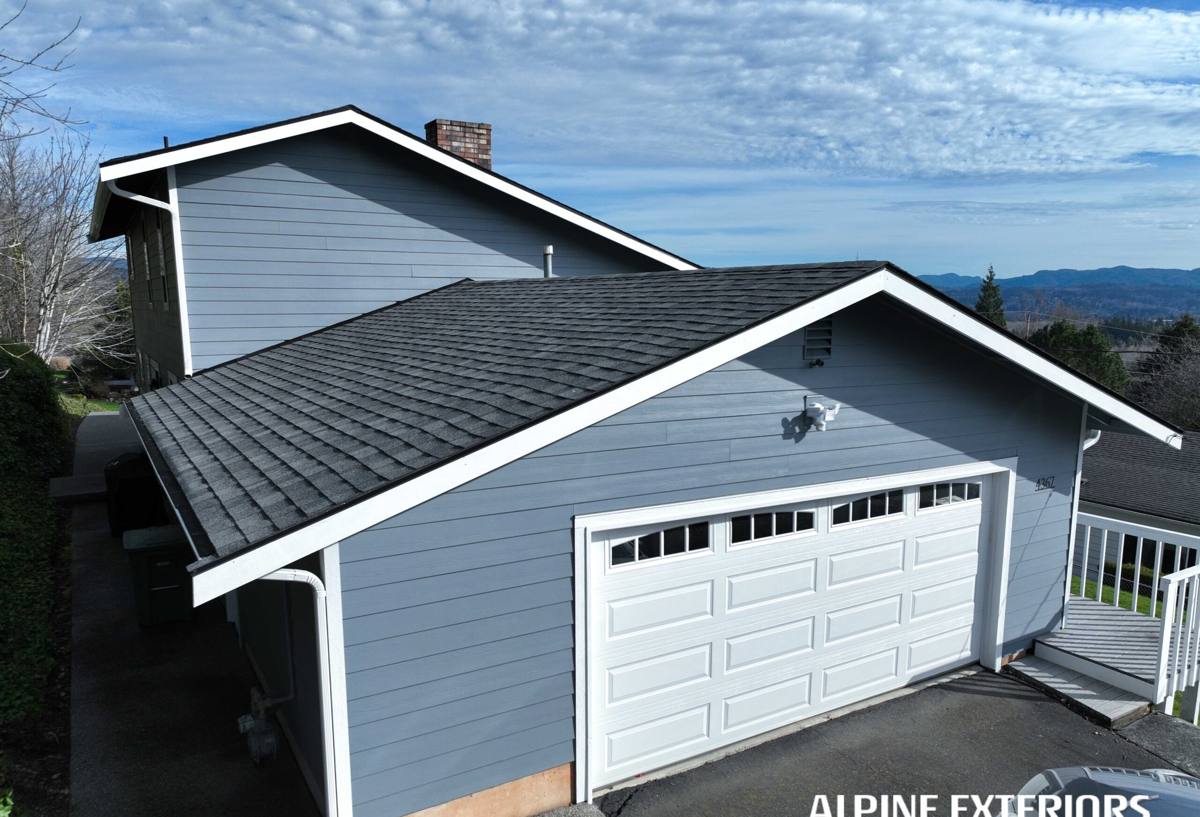
What Sarasota's Climate Actually Does to a Shingle Roof
Four forces do most of the damage to asphalt shingle roofs in this part of Sarasota County, and each one calls for a different fix at the installation stage rather than a repair after the fact.
Wind
Sustained tropical-storm and hurricane-force winds don't just tear shingles off in dramatic fashion — more often they work at the edges first: ridge caps, rake edges, and the perimeter of the roof field, where uplift pressure is highest. A shingle roof that wasn't fastened, sealed, and edge-detailed correctly will fail at those points years before the field of the roof shows any wear.
UV Exposure
Florida sun is harder on roofing materials than most of the country experiences. UV breaks down the asphalt binders in shingles over time, which is why granule loss and brittleness show up faster here than the shingle's rated lifespan would suggest if it were installed somewhere with milder sun.
Wind-Driven Rain
Rain that comes in sideways during a storm doesn't behave like rain falling straight down. It gets pushed up and under shingle tabs, around vents, and into any gap in flashing. Underlayment and flashing detail matter as much as the shingles themselves.
Salt Air and Humidity
Even set back from the water, Sarasota's air carries salt and moisture that accelerates corrosion on exposed metal fasteners, flashing, and vent components. Roofing hardware rated for drier inland climates corrodes faster here than its specs would suggest.
What a Correctly Installed Shingle Roof Includes
"Asphalt shingle roofing" covers a wide range of quality outcomes depending on what's underneath the shingles and how the details are handled. For a home in The Meadows, we treat the following as non-negotiable, not upgrades.
Wind-Rated Shingles and Fastening
Shingles carry a wind rating tied directly to how they're installed — nail count, nail placement, and adhesive sealant strip activation all affect the real-world rating, not just the product label. We install to the fastening pattern that matches Florida Building Code wind requirements for this area, not the manufacturer's minimum.
Synthetic Underlayment and Sealed Deck
A synthetic underlayment with taped or sealed seams gives the roof a second line of defense if wind-driven rain gets past the shingles. On tear-offs, we also check the deck itself for soft spots or old moisture damage before anything new goes down — covering a compromised deck just hides a problem that will resurface.
Proper Flashing at Every Penetration
Valleys, chimneys, skylights, and roof-to-wall transitions are where the majority of leaks start, not the open field of shingles. Correct flashing detail here matters more to long-term performance than the shingle brand.
Balanced Attic Ventilation
Intake at the eaves and exhaust at the ridge, sized correctly for the attic volume, keeps heat and moisture from building up under the roof deck. Under-ventilated attics run hotter, which shortens shingle life from the underside, and trap humidity that accelerates deck rot — a bigger issue under tree cover like much of The Meadows sees, where roofs dry out more slowly after rain.
Shingle Options and What They Trade Off
Not every home needs the highest wind and impact rating available, but every homeowner should understand what they're choosing between.
| Shingle Type | Typical Wind Rating | Best Suited For | Trade-Off to Know |
|---|---|---|---|
| 3-Tab Asphalt | Lower end of code minimum | Budget-conscious projects, secondary structures | Shorter lifespan under intense UV; less wind margin in exposed areas |
| Architectural (Laminate) | Mid to high, product-dependent | Most Meadows homes | Higher upfront cost than 3-tab, but better durability-to-cost balance |
| Impact-Rated Architectural | High wind and impact rating | Homes wanting maximum storm resistance, potential insurance credit | Highest material cost; insurance discount varies by carrier, not guaranteed |
We'll walk through these options honestly during the estimate, including what your specific insurance carrier does or doesn't credit for impact-rated materials — that varies enough between carriers that we don't make blanket promises about it.
Signs a Meadows Roof Needs Attention
Because much of The Meadows has substantial tree cover and mature landscaping, some warning signs are easy to miss from the ground. Here's what we tell homeowners to watch for between inspections:
- Granules collecting in gutters or at downspout discharge points
- Shingles that look curled, cupped, or have visibly darker patches (often trapped moisture)
- Soft or spongy spots when walking the roof, especially near valleys
- Daylight visible through the attic roof deck, or musty odor in the attic
- Missing or lifted ridge cap shingles after any significant wind event
- Debris buildup in valleys that holds moisture against the shingles longer than it should
- Rust streaks around vent boots, flashing, or exposed fasteners
Any one of these on its own isn't necessarily an emergency, but they're worth a professional look before the next storm season rather than after.
Our Process for The Meadows
1. Inspection and Honest Assessment
We start on the roof and in the attic, not just with a drive-by. We look at deck condition, ventilation, flashing, and how the current roof has actually held up to this neighborhood's conditions — not a generic checklist.
2. Written Estimate
You get a clear scope of work and pricing before anything is scheduled, including what shingle tier and underlayment package we're recommending and why, based on what we found.
3. Tear-Off and Deck Check
Old roofing comes off down to the deck. We don't install over existing layers on a full replacement — it hides deck problems and voids most manufacturer warranties. Any damaged decking is identified and addressed before underlayment goes down.
4. Underlayment, Flashing, and Shingle Installation
Installed to the fastening and flashing standards described above, with attention to the wind uplift and rain-intrusion points that matter most in this area.
5. Ventilation Check
We confirm intake and exhaust are balanced for the attic, adjusting or adding ventilation components where the existing setup falls short.
6. Final Walkthrough and Cleanup
A final inspection with you, magnetic sweep for stray fasteners, and full site cleanup before we consider the job done.
What Affects Cost
Every roof is priced based on the specifics of the job, not a flat per-square rate. The main factors we weigh:
| Factor | Why It Matters |
|---|---|
| Roof size and number of facets | More cuts, valleys, and edges mean more labor and material waste |
| Roof pitch | Steeper roofs are slower and require more safety setup |
| Number of existing layers | Multiple old layers add tear-off labor and disposal cost |
| Deck condition | Rotted or soft decking needs replacement before shingles go down |
| Shingle tier chosen | 3-tab, architectural, and impact-rated materials carry different material costs |
| Ventilation and flashing work needed | Correcting an under-ventilated or poorly flashed roof adds scope beyond reshingling |
We'd rather walk you through these line items during the estimate than quote a number with no explanation behind it.
Permits and Local Code
Roof replacements in Sarasota County require a permit, and the installation has to meet current Florida Building Code wind requirements for this region — that includes fastening schedules and, depending on the scope, secondary water barrier requirements. We handle permitting as part of the job rather than leaving it to the homeowner, and we schedule inspections at the required stages. If your property falls under an HOA, we're glad to work from any architectural guidelines on shingle color or style that apply — just have those available at the estimate so we can quote accordingly.
Maintenance That Actually Extends Roof Life
A correctly installed roof still needs basic upkeep, especially under the tree cover common in this neighborhood:
- Clear valleys and gutters of leaf and debris buildup, particularly after storms
- Trim overhanging branches back from the roofline to reduce abrasion and debris load
- Schedule a professional inspection after any major wind event, even without visible damage
- Address small leaks or lifted shingles promptly rather than waiting for the next storm season
- Keep attic ventilation paths (soffit vents especially) clear of insulation or debris blockage
Why Hire a Crew That Already Works This Neighborhood
Roofing crews that work across Sarasota County regularly get a feel for how different neighborhoods age differently — tree cover, prevailing wind exposure, and typical roof age all vary block by block. A crew already familiar with The Meadows knows what to check for beyond the generic inspection: where tree debris tends to collect, which roof orientations catch the worst of storm winds locally, and what permitting and HOA documentation typically looks like for homes here. That familiarity shows up as fewer surprises during the job and a roof that's built for the conditions it will actually face, not just the conditions on a spec sheet.
Warranty and What to Expect Afterward
Manufacturer warranties on shingles vary by product tier, and workmanship warranties are separate from material warranties — we explain both clearly at the time of estimate so there's no confusion about what's covered and for how long. After installation, we recommend periodic visual checks and prompt attention to any storm damage, since most warranty terms require reasonable maintenance to stay valid.
If you're weighing a repair against a full replacement, or just want an honest read on where your current roof stands, we're happy to take a look. Fill out the form below for a free, no-pressure estimate — we'll walk the roof, explain what we find in plain terms, and give you a straightforward quote with no obligation.