 Sarasota Roofing
 Roofing in a Community Built Under a Tree Canopy
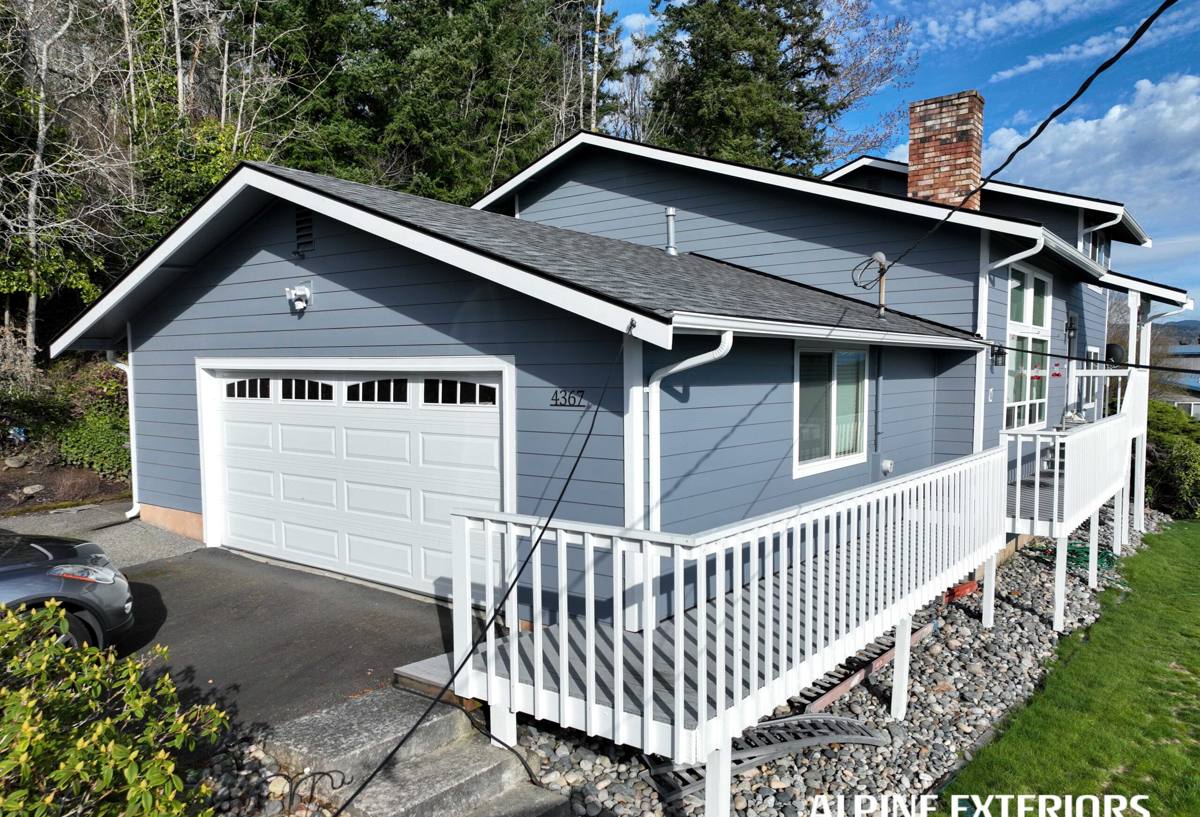
The Meadows is one of the more established, heavily wooded neighborhoods in Sarasota, and that mature tree canopy is a big part of what makes it different from a lot of newer subdivisions in the area. It's also part of what makes roof repair here a slightly different job than roof repair on a wide-open lot. Overhanging limbs mean more organic debris on the roof deck year-round, more shaded sections that stay damp longer after rain, and more opportunity for branches to abrade shingles or tiles during wind events. A roof under heavy tree cover ages differently than one that bakes in full sun all day, and a repair crew needs to account for that.
We've worked on enough roofs in this part of Sarasota County to know the pattern: valleys and north-facing slopes that collect leaves and pine needles, gutters that clog faster than average, and moss or algae growth showing up in shaded spots years before it would on a sun-exposed roof. None of that is a defect in your roof — it's just what a tree-shaded Florida roof deals with, and repair work here needs to address the cause, not just patch the symptom.
What Sarasota's Climate Does to a Roof
Regardless of tree cover, every roof in Sarasota County is working against the same regional conditions. Hurricane-force winds test every fastener, flashing seam, and shingle tab a roof has. Intense, near-constant UV exposure breaks down asphalt shingles and dries out sealants faster than in most of the country. Wind-driven rain finds its way into gaps that would never leak in a calm, straight-down rainstorm. And salt air drifting in off the Gulf slowly corrodes exposed metal — nails, flashing, vent caps, drip edge — long before it would in an inland climate.
In The Meadows specifically, that combination of climate stress and tree cover means two things tend to fail first: flashing and sealant around penetrations (vents, chimneys, skylights), and shingle or tile edges where wind has worked at a spot that was already weakened by UV or moisture. A repair that only addresses the visible symptom — say, a stained ceiling — without checking the flashing, underlayment condition, and surrounding material is a repair that's going to fail again.
Why "Just Patch It" Often Isn't Enough
A lot of roof leaks in this area aren't caused by one obvious hole. They're caused by a chain of small failures: a cracked pipe boot, a lifted shingle tab from wind, granule loss from years of UV exposure, and moisture sitting under debris in a shaded valley. Fix only the first thing you find and the leak often comes back somewhere nearby within a season or two. A correct repair traces the water path, not just the drip point.
Signs Your Roof Needs Repair, Not Just a Look
Most homeowners in The Meadows notice a problem indoors before they ever get on a ladder. Here's what typically points to a roof issue worth having checked:
- Water stains on ceilings or upper interior walls, especially after heavy rain or a storm
- Missing, curled, or cracked shingles visible from the ground or a neighbor's upstairs window
- Granules collecting in gutters or at downspout outlets
- Visible moss, algae, or dark streaking on shaded roof sections
- Soft or spongy spots on the roof deck when walked (should only be checked by a professional)
- Daylight visible through the attic roof deck
- Debris buildup in valleys that never seems to fully clear, even after cleaning
- Rusting or lifted flashing around chimneys, skylights, or roof vents
Any one of these on its own might be minor. Several together, or one that keeps recurring in the same spot, usually means the underlying issue is bigger than what's visible from the ground.
What a Correct Roof Repair Actually Involves
A proper repair starts with finding the actual source of the problem, which is not always where the interior stain shows up — water travels along rafters and decking before it drips, so a stain in one room can trace back to a failure point several feet away on the roof. Once the source is confirmed, the repair typically includes:
1. Removing and Inspecting the Affected Area
Damaged shingles, tiles, or roofing material are removed, along with any compromised underlayment, so the deck itself can be inspected for rot, soft spots, or water damage that needs to be addressed before anything goes back on.
2. Repairing or Replacing the Deck
If the plywood or OSB decking has soaked up water and softened, that section gets replaced. Covering over damaged decking with new shingles is a shortcut that fails again, usually within a year or two.
3. Correcting Flashing and Underlayment
Flashing around vents, chimneys, and valleys is one of the most common failure points in this climate. Repairs need new underlayment and properly sealed, correctly lapped flashing — not just a bead of roofing cement over the old piece.
4. Matching Materials
Shingles fade with UV exposure, so a repair on an older roof often means sourcing the closest reasonable match rather than an exact one. We'll tell you honestly what to expect on color match before starting, rather than let it surprise you.
5. Final Seal and Cleanup
Proper nailing pattern, sealed tabs, and a clean job site when we leave — including magnetic sweeps for stray nails, which matters more on a property with kids, pets, or a pool.
Common Roof Types in The Meadows and What Repair Looks Like for Each
Homes in this neighborhood span several decades of construction, so we see a real mix of roofing materials. Repair approach differs by material:
| Roof Type | Typical Repair Focus | Tree-Canopy Consideration |
|---|---|---|
| Asphalt shingle | Wind-lifted tabs, granule loss, flashing seals, isolated section replacement | Faster algae/moss growth in shade; more frequent debris clearing needed |
| Concrete or clay tile | Cracked or slipped tiles, underlayment failure beneath intact-looking tile, ridge and hip repair | Falling limbs can crack individual tiles without visible surface damage elsewhere |
| Metal panel | Fastener backout, seam sealant failure, panel scratches from debris | Salt air accelerates fastener corrosion; shaded areas can trap moisture at seams |
| Flat or low-slope (additions, lanais) | Membrane seam separation, ponding water, flashing at wall transitions | Leaf litter blocks drains, contributing to ponding and premature membrane wear |
Whatever material your home has, the repair goal is the same: fix the actual cause, restore the water barrier fully, and leave the roof able to handle the next wind and rain event, not just look fixed until then.
Our Repair Process
We keep the process straightforward because most homeowners just want the leak stopped and the roof made sound without a lot of runaround:
- Inspection. We get on the roof (weather permitting) and in the attic if accessible, tracing the water path rather than guessing from ground level.
- Honest assessment. We tell you what's actually wrong, what caused it, and whether it's a straightforward repair or a sign of broader wear that's worth planning around.
- Written scope and estimate. You know what's being done and roughly what it will cost before work starts.
- Repair. Deck repair, underlayment, flashing, and matching material installed to manufacturer specification and local code.
- Cleanup and walkthrough. Site cleared, debris hauled, and we'll show you what was done and why.
What Drives the Cost of a Roof Repair
| Factor | Why It Matters |
|---|---|
| Extent of deck damage | Rotted plywood or OSB has to be replaced, not covered over — this is often the biggest cost swing |
| Roofing material | Tile and metal repairs generally take more labor and specialized handling than asphalt shingle |
| Roof pitch and access | Steeper roofs and limited access (tight tree cover, tall trees near the work area) affect labor time |
| Age of existing roof | Older roofs may need a broader repair to avoid a mismatched patch that fails again soon |
| Flashing and penetration count | More vents, skylights, and chimney penetrations mean more potential leak points to correct |
Because of this variation, we avoid quoting a number over the phone without seeing the roof. Ranges you'll hear elsewhere for "roof repair" often don't reflect what your specific situation needs, and we'd rather give you an accurate number after a real look than a low number that changes once we're up there.
Why Hiring a Crew That Already Works The Meadows Matters
Roofing licensing and permitting in Sarasota County has specific requirements, and wind-mitigation and code standards here reflect the region's hurricane exposure — repairs that don't meet current code can create problems at resale or with insurance. Beyond the paperwork side, familiarity with a specific neighborhood is a real advantage. A crew that's worked roofs in The Meadows already understands the tree-cover patterns, the typical roof ages and materials in the area, and how HOA guidelines here tend to handle exterior work and material appearance. That familiarity shortens the guesswork and reduces the odds of a repair that technically works but doesn't fit the neighborhood's standards.
It also matters for storm response. When wind or a fallen limb causes damage, having worked in the area before means we're not learning the neighborhood's access points, common roof types, or typical failure patterns for the first time during an emergency call.
Maintenance Between Repairs
A repair fixes what's currently wrong, but a few habits extend the life of the fix, especially under tree cover:
- Keep gutters and valleys clear of leaves and debris, particularly after storms
- Trim back limbs that overhang or touch the roof surface
- Have the roof visually checked after any significant wind event, even without an obvious leak
- Address small issues (a lifted tab, a cracked tile) before the next heavy rain, not after
- Keep an eye on attic ventilation — poor airflow traps heat and moisture, aging shingles faster
If you're dealing with a leak, storm damage, or just want an honest read on a roof issue you've noticed at your Meadows home, we're glad to take a look. We offer free, no-pressure estimates — no obligation, just a straight assessment of what's going on and what it would take to fix it right. You can reach out using the form below to get started.