 Sarasota Roofing
 Roof Repair for Laurel Park Homes
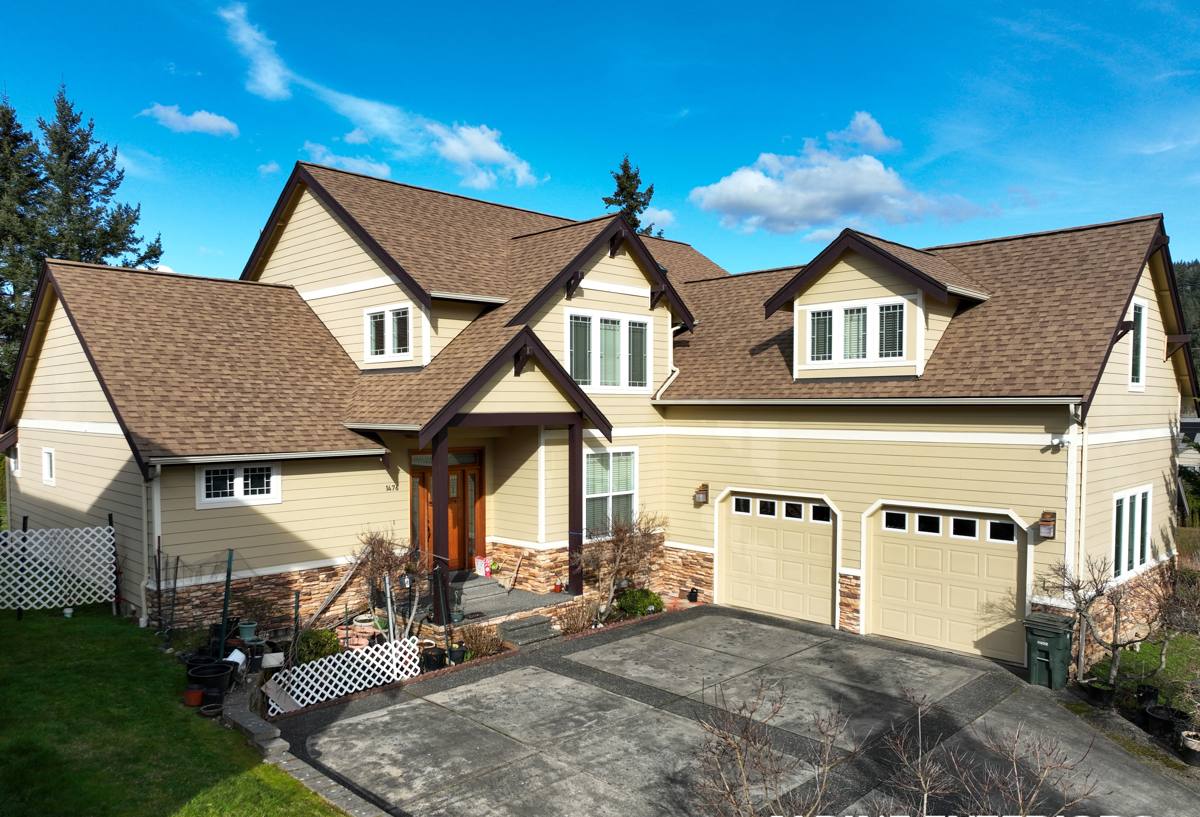
Laurel Park's mix of older bungalow-style homes and newer infill construction sits close enough to Sarasota Bay that every roof on the street is dealing with the same combination of problems: intense sun, salt-laden air, wind-driven rain, and the occasional direct hit from a tropical system. A roof that would last decades in a drier, cooler climate can start showing real trouble here in half that time if it isn't maintained or repaired correctly the first time. This page covers what roof repair actually means for a home in this part of Sarasota, what we look for, and how we handle it.
What Makes Roofs in This Part of Sarasota Wear Faster
Year-Round UV Exposure
Florida sun isn't seasonal the way it is farther north — it's a near-constant load on roofing materials twelve months a year. UV breaks down the oils and asphalt binders in shingles, dries out sealant, and causes granule loss that shows up as bald patches or excessive grit in the gutters. Once granule loss starts, the underlying asphalt is exposed and ages much faster.
Salt Air and Humidity
Being close to the coast means airborne salt settles on roofing materials and metal components. Salt accelerates corrosion on exposed fasteners, flashing, and drip edge, and it holds moisture against the roof surface longer than it would inland. Metal flashing and fasteners that aren't rated for coastal exposure corrode faster here than the same products would twenty miles inland.
Wind-Driven Rain
A lot of leaks in this area aren't from rain falling straight down — they're from rain being pushed sideways and upward under shingle edges, around vent boots, and into valleys during storms with sustained wind. A roof can shed a normal rain shower without issue and still leak badly during a wind event because the water is attacking from a different angle.
Hurricane-Force Wind
Sarasota County sits in a wind zone where roofs need to hold up to hurricane-force gusts, not just steady breeze. Repairs that don't account for uplift — loose fastening patterns, under-sealed ridge caps, unsecured flashing — tend to be the first thing that fails in the next storm, even if they looked fine on a calm day.
Common Roof Repair Issues We See in This Area
- Cracked, curling, or missing shingles from sun exposure and wind lift
- Failed pipe boots and vent flashing where rubber seals have dried out and split
- Corroded or lifted metal flashing at chimneys, walls, and roof-to-roof transitions
- Soft spots or leaks at valleys where water volume concentrates during heavy rain
- Soffit and fascia damage from long-term moisture intrusion at the roof edge
- Nail pops and sealant failure around fasteners exposed to repeated heat cycling
- Isolated storm damage — a section of shingles or a piece of flashing torn loose by wind
What a Correct Roof Repair Actually Involves
A repair that only addresses the visible symptom tends to come back. If a ceiling stain shows up under a valley, the fix isn't just sealing the spot that's leaking — it's tracing the water back to where it's actually entering, which is often several feet away from where it shows up inside. That means pulling back shingles to check the underlayment, inspecting flashing for gaps or corrosion, and confirming that water is being shed correctly at every layer, not just patched over at the surface.
It also means matching materials correctly. Shingles fade over time, so a patch using new material next to old will stand out, and using a different shingle profile or weight than what's already on the roof can create a weak point instead of a solid repair. Flashing and fasteners should be rated for coastal exposure, not general-purpose hardware that will corrode faster in this environment. And any repair has to leave the surrounding roof properly sealed and fastened — not just the specific spot that failed.
Our Roof Repair Process
1. Inspection and Diagnosis
We start by identifying the actual source of the problem, not just the symptom. That includes checking the roof surface, the flashing details, the attic side if accessible, and any related trouble spots nearby that may fail next if left alone.
2. Clear, Written Estimate
You get a straightforward explanation of what's wrong, what we recommend, and why — in plain language, with a written price before any work starts. No pressure to upgrade to a full replacement if a repair genuinely solves the problem.
3. The Repair Itself
We use materials matched to your existing roof where possible, fasteners and flashing suited to coastal exposure, and installation methods that account for wind uplift, not just fair-weather performance. Work areas are protected and the site is cleaned up when we're done.
4. Follow-Through
We stand behind the work we do. If something related to the repair doesn't perform the way it should, we want to hear about it and make it right.
Repair or Replace? What We Actually Look At
Not every roof problem calls for a full replacement, and not every repair is worth doing on a roof that's genuinely at the end of its life. Here's the general framework we use when we're standing on the roof:
| Factor | Repair Usually Makes Sense | Replacement Usually Makes Sense |
|---|---|---|
| Roof age | Well within expected lifespan for the material | Near or past the material's typical service life |
| Extent of damage | Isolated to one area or a specific detail | Widespread across multiple sections |
| Underlying decking | Solid, no rot or soft spots found | Soft, rotted, or water-damaged decking present |
| Granule loss / shingle condition | Localized, surrounding shingles still pliable | Widespread brittleness or bald patches across the roof |
| History of repeat leaks | First occurrence or isolated storm damage | Recurring leaks in different spots over time |
When a roof is genuinely a repair candidate, we say so. When it isn't, we'll explain exactly why a patch would just be a short-term fix and let you decide how to move forward.
What Affects the Cost of a Roof Repair
Roof repair pricing varies quite a bit based on what's actually wrong, and we'd rather give you an honest range in person after a look at the roof than a number that doesn't hold up. In general, cost is driven by:
- Scope — a single vent boot or a section of ridge cap is a much smaller job than re-flashing a valley or replacing a run of shingles
- Access — roof pitch, height, and how easily we can get equipment and materials to the work area
- Underlying damage — if decking or underlayment needs to be replaced along with the visible surface material, that adds labor and material
- Material matching — sourcing shingles or metal that reasonably match your existing roof can affect cost and lead time
- Roof age and condition overall — repairs on an older roof sometimes turn up related issues nearby worth addressing at the same time
We give a written estimate before any work starts, so there's no guessing after the fact.
Why a Crew That Already Works Laurel Park Matters
Roofing that's correct for Sarasota County isn't the same as roofing that's correct somewhere with a milder climate and no hurricane exposure. A crew that regularly works this area already understands the wind and building code requirements that apply to repair work here, knows which fastening and flashing practices actually hold up to coastal salt exposure over time, and has a feel for how the housing stock in this part of Sarasota was originally built — which matters when you're trying to match materials or work around older construction details rather than tearing everything out and starting over.
There's also a practical side to it: familiarity with the neighborhood means fewer surprises about permitting, quicker turnaround because we're not learning the area for the first time on your roof, and a better sense of what a genuinely sound repair looks like on homes built the way yours likely was.
Signs You Likely Need a Roof Repair — A Quick Checklist
Most roof problems give some warning before they turn into an interior leak. Worth checking for:
- Missing, cracked, or curling shingles, especially after a windy storm
- Granules collecting in gutters or at downspout outlets
- Water stains or discoloration on interior ceilings, especially near valleys or chimneys
- Visible daylight through the attic roof deck, if accessible
- Soft or spongy spots when walking the roof (best left to a professional to check)
- Rusted, lifted, or cracked flashing around vents, chimneys, or roof-to-wall transitions
- Sagging sections along the roofline or at the fascia
- A musty smell in the attic, which can indicate slow, ongoing moisture intrusion
Catching any of these early is almost always cheaper and less disruptive than waiting until there's active water coming through the ceiling.
If you're seeing any of these signs on a home in Laurel Park or elsewhere in Sarasota, we're glad to come take a look. Estimates are free, there's no pressure to do more work than the roof actually needs, and you'll get a straight answer about whether you're looking at a repair or something bigger — use the form below to get started.