 Sarasota Roofing
 Reroofing Southside Village: What This Neighborhood Actually Needs
Southside Village sits close enough to Sarasota Bay that salt air, humidity, and wind load are part of daily life for every roof in the area, not just the ones facing the water directly. Homes here run the gamut from older bungalows and mid-century cottages to newer infill construction, and each of those roof types ages differently under Gulf Coast conditions. A new roof installation in this neighborhood isn't just a tear-off and reshingle — it's an opportunity to correct whatever the original roof got wrong and build something that's actually matched to Sarasota County's climate and code requirements.
We work in Southside Village regularly, which matters more than it might sound. Knowing the housing stock, the tree canopy that drops debris and holds moisture against a roof deck, and how the local permitting office likes plans submitted all shave time and guesswork off a project that homeowners in other parts of the county don't get the benefit of.
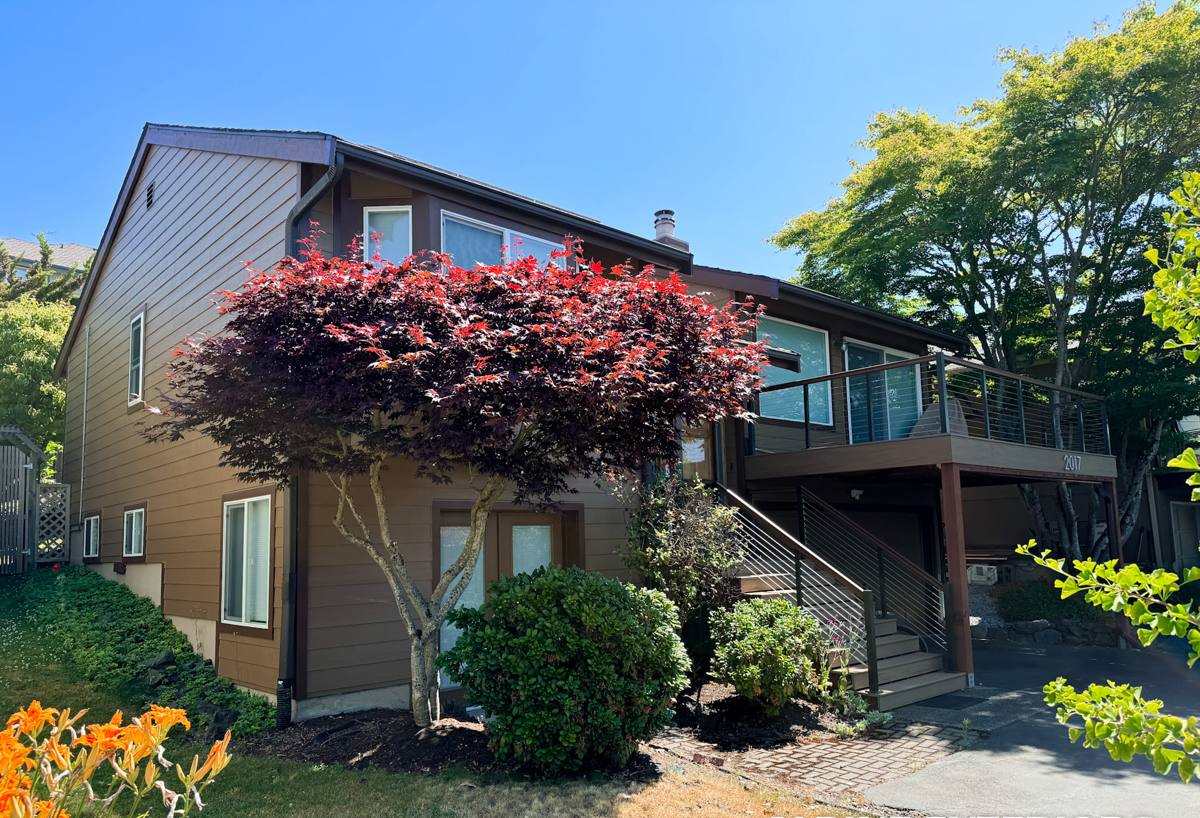
What Sarasota's Climate Does to a Roof Over Time
Four things drive roof failure here, and they compound each other:
- Hurricane-force wind — even roofs that never take a direct hurricane hit see repeated high-wind events that work loose fasteners, lift shingle tabs, and fatigue flashing over the years.
- Intense, year-round UV — Florida's sun degrades asphalt shingle mat and breaks down sealants faster than in most of the country, shortening the effective life of lower-grade materials.
- Wind-driven rain — Sarasota storms rarely fall straight down. Rain gets pushed sideways under laps, around penetrations, and into any gap in flashing that a calmer climate could get away with.
- Salt air — proximity to the bay accelerates corrosion on exposed fasteners, metal flashing, and vent stacks, even for homes that aren't waterfront.
None of these are exotic problems — they're the normal operating environment for a roof in this part of Sarasota County. A new roof installed without accounting for all four is a roof that will underperform its expected lifespan, regardless of what material sits on top.
What Florida's Building Code Requires for a New Roof
Wind Uplift and Fastening
Florida Building Code sets minimum wind resistance standards that are considerably stricter than most of the country, and coastal Sarasota County falls into the higher end of the state's wind speed design maps. That affects nailing patterns, fastener count, and how shingles or panels are rated and installed — not just the material choice. A roof that meets code minimums for a low-wind-speed region and gets installed here anyway is a roof that's already behind before the first storm season.
Secondary Water Barrier
Florida code and most insurers now recognize a sealed roof deck — a secondary water barrier created with a self-adhering underlayment or a taped seam system — as a meaningful upgrade. If wind ever removes shingles or tile during a storm, a sealed deck is the difference between a roofing repair and a full interior loss. It's not required in every case, but on a new install it's worth discussing, and it's often eligible for an insurance credit through the state's wind mitigation inspection.
Permits and Inspection
New roof installations in Sarasota County require a permit and a final inspection. This isn't paperwork for its own sake — it's the record that confirms the work meets current code, which matters both for resale and for insurance claims down the line if a storm ever does damage.
Choosing the Right Roofing System for Southside Village
There's no single "best" roofing material for this neighborhood — the right call depends on the home's structure, the budget, and how long the homeowner plans to stay. Here's an honest comparison of the systems we install most often in this part of Sarasota:
| Material | Typical Lifespan Here | Wind Performance | Salt Air / UV Resistance | Relative Cost |
|---|---|---|---|---|
| Architectural asphalt shingle | 15–25 years | Good, with high-wind-rated products and proper fastening | Moderate — sealants and mat degrade fastest of the options here | $ |
| Standing seam metal | 30–50 years | Excellent when properly fastened | Very good with coated/corrosion-resistant fasteners and panels | $$$ |
| Concrete or clay tile | 30–50 years | Excellent when tiles are properly attached; underlayment is the weak point | Very good — tile itself is inert to salt and UV | $$$ |
| Modified bitumen / TPO (low-slope sections) | 15–20 years | Good with correct seam welding and edge detail | Moderate — depends heavily on installation quality | $$ |
A point worth being straightforward about: tile and metal both outlast shingle by a wide margin here, but the underlayment beneath them does most of the actual waterproofing work over the life of the roof. We don't cut corners on underlayment just because the surface material is durable — a premium roof covering over a weak underlayment system is still a weak roof.
Our New Roof Installation Process
1. Inspection and Deck Assessment
Before we quote anything, we inspect the existing roof and, once tear-off begins, the deck underneath. Salt air and humidity can hide rot or delaminated plywood that isn't visible from the surface. Any compromised decking gets replaced — this is the step that determines how the rest of the roof performs, so we don't skip it or guess at it.
2. Tear-Off and Prep
Full tear-off to the deck, not an overlay. Overlaying a new roof on top of an old one traps moisture, hides existing damage, and voids most manufacturer warranties — it's a shortcut we don't take.
3. Underlayment and Flashing
This is where wind-driven rain resistance actually comes from. We install underlayment rated for the local wind exposure, pay close attention to valleys and penetrations, and replace flashing around chimneys, walls, and vents rather than reusing old pieces that have already fatigued from sun and salt exposure.
4. Installation to Code
Shingles, metal panels, or tile go down using the fastening pattern required for Sarasota County's wind speed zone — not a generic national minimum. Every penetration gets properly boot-flashed and sealed.
5. Final Inspection and Cleanup
We walk the completed roof, coordinate the county's final inspection, and do a magnetic sweep and full site cleanup so nothing is left behind in the yard or landscaping.
Ventilation: The Step That Gets Skipped Most Often
A new roof without correct attic ventilation is a roof that ages faster than it should. In Sarasota's heat and humidity, an under-ventilated attic traps heat and moisture, which shortens shingle life from underneath, can encourage mold and wood rot on the deck, and drives up cooling costs. We size intake and exhaust ventilation to the attic space during every new install rather than reusing whatever vents happened to be there before — it's a low-cost step that protects the much larger investment of the roof itself.
Permitting, Insurance, and Wind Mitigation
A new roof is one of the few home improvements that can directly lower a Sarasota County homeowner's insurance premium. Once the roof is complete and permitted, a wind mitigation inspection documents the upgrades — impact-rated or securely fastened roofing, a sealed deck, hip roof geometry where applicable — and that report goes to the insurer for a potential credit. We handle the permitting and provide the documentation homeowners need to request that inspection; it's a straightforward process but an easy one to lose track of if it isn't planned for from the start.
Why a Crew That Already Works Southside Village Matters
Southside Village is a walkable, closely-built neighborhood with mature trees, narrow lots in places, and homes close enough together that staging, dumpster placement, and material delivery take some local know-how to do without disrupting neighbors. A crew that already works in the area knows how to run a job here efficiently — where to stage materials, how to protect landscaping and adjacent structures, and what the local permitting office expects on submittals, which keeps the schedule from stalling on avoidable paperwork delays. That familiarity translates into fewer surprises and a faster, cleaner project for the homeowner.
Before Your Install: A Homeowner's Checklist
- Confirm your contractor is licensed and insured in Florida, and ask to see current proof of both
- Get the scope in writing: tear-off to deck, underlayment type, flashing replacement, and material specifications
- Ask who pulls the permit — it should be the contractor, not the homeowner
- Move vehicles away from the driveway and clear the immediate work area
- Trim back low tree limbs near the roofline if practical, to give the crew clear access
- Remove or protect wall-hung items in the attic and top-floor rooms — installation causes vibration
- Plan for pets to be indoors or elsewhere during the loudest phases of tear-off
- Ask about the wind mitigation inspection and insurance documentation before the job wraps up
What a Fair Estimate Looks Like
Cost on a new roof installation depends on the roof's size and pitch, the material chosen, how much decking needs replacing, and any added scope like upgraded underlayment or ventilation work. We won't give a number over the phone without seeing the roof — anyone who does is either guessing or leaving something out. A proper estimate includes a physical inspection, a written scope, and a clear material specification so there's no ambiguity about what's being installed.
If your roof in Southside Village is aging, storm-damaged, or you're simply planning ahead, we're happy to take a look and walk you through your options with no pressure to decide on the spot. Use the form below to request a free estimate.