 Sarasota Roofing
 Board & Batten Siding in Laurel Park
Laurel Park is one of Sarasota's older, close-in neighborhoods, and its housing stock reflects that: a mix of bungalow-era homes, mid-century additions, and newer infill construction sitting on small lots close to downtown. Board and batten siding — vertical panels with raised battens covering the seams — shows up a lot in this kind of neighborhood because it fits the architectural character of older Florida homes while still reading as clean and current on newer builds. It's a look Laurel Park homeowners ask for specifically, and it's a siding profile we install often in this part of Sarasota.
What most homeowners don't realize going in is that board and batten isn't just a look — it's a system, and how that system is built determines whether it holds up to a Sarasota County summer and hurricane season or starts failing at the seams within a few years. This page covers what board and batten needs to do here, what a correct installation actually involves, and how we handle it in Laurel Park.
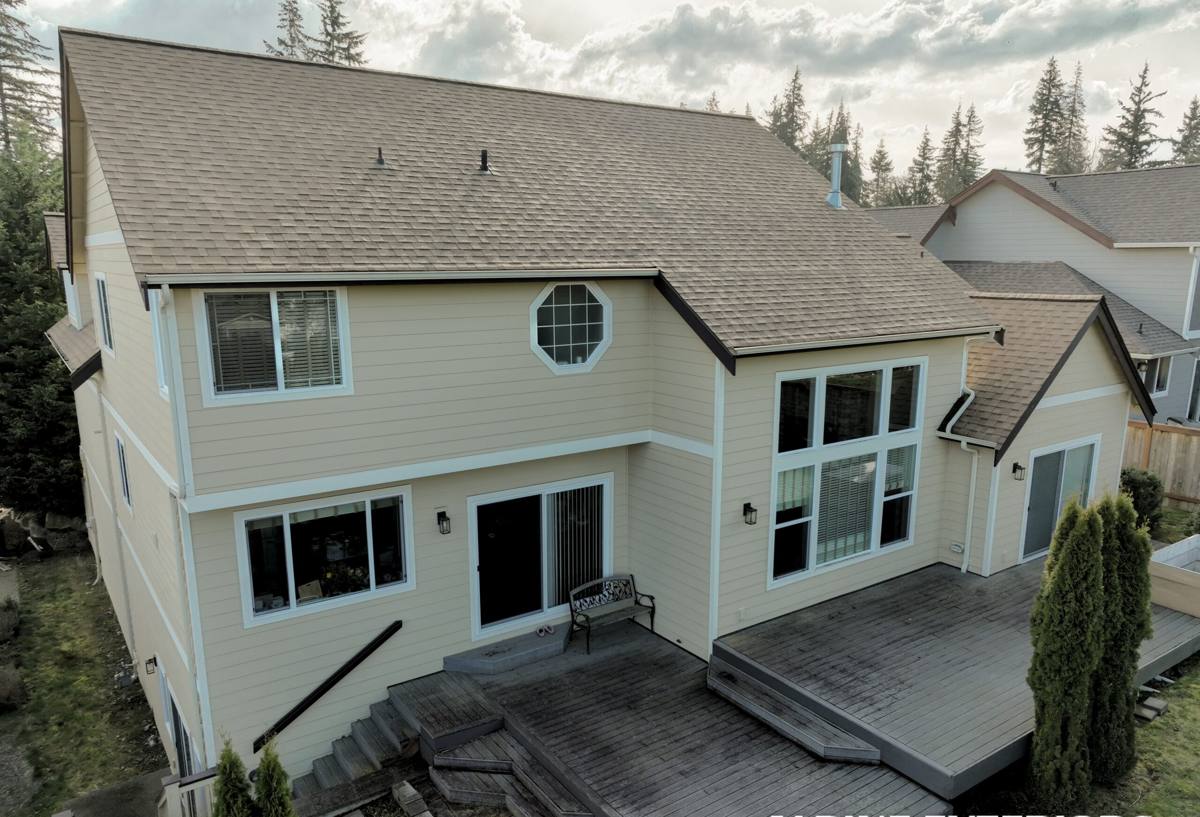
Why This Siding Style Matters for This Neighborhood
Board and batten's vertical lines and shadow reveals suit the smaller, tighter lot sizes and older architectural rhythm common in Laurel Park — it doesn't compete visually with a smaller footprint the way a busier horizontal lap profile sometimes can. It also plays well alongside a mix of home ages on the same street, which is common here: a battened accent gable or full board-and-batten elevation can modernize an older home's exterior without erasing its original character, and it pairs cleanly with newer builds that lean toward a more contemporary Florida look.
The trade-off is that board and batten has more vertical seams and butt joints per square foot than a standard lap profile, and every one of those seams is a place water can find its way behind the cladding if it isn't detailed correctly. In a coastal Gulf Coast climate, that detail work isn't optional — it's the difference between siding that lasts decades and siding that needs attention in five years.
What Sarasota's Climate Does to Vertical Siding
- Hurricane-force wind: Vertical panels and battens need to be fastened to a schedule that resists uplift and lateral load, not just tacked up for appearance.
- Wind-driven rain: Storms here don't just fall straight down — rain gets pushed sideways and upward under panel edges, which makes flashing and drainage behind the siding critical, not cosmetic.
- Year-round UV: Sarasota sun is intense and constant. Paint-grade wood and unstabilized composite battens chalk, fade, and crack faster here than in milder climates.
- Salt air: Being close to the Gulf, fasteners and trim exposed to salt-laden air corrode faster if the wrong hardware is used.
What Correct Board & Batten Installation Actually Involves
A board and batten job that's done right isn't just nailing boards to the wall in a pattern. The parts that actually determine longevity are mostly invisible once the job is finished:
Weather-Resistive Barrier and Drainage Plane
Behind every board and batten installation should be a continuous weather-resistive barrier with a drainage gap that lets any moisture that gets past the cladding find its way back out instead of sitting against the sheathing. On a vertical profile with more seams, this drainage plane matters more, not less, than it does on lap siding.
Fastening Schedule
Both the base boards and the battens need to be fastened per the manufacturer's engineering, with fastener spacing tightened up in wind zones like ours. This is the part that most affects wind performance — and it's also the part that's easiest for a rushed crew to shortcut, because it doesn't show in the finished look.
Joint and Seam Treatment
Butt joints in the base boards need to land on framing, be properly flashed or caulked with a product rated for the application, and be positioned so battens overlap them cleanly. A batten that's just decorative trim over an unsealed joint will eventually let water in behind it.
Corners, Trim, and Penetrations
Outside corners, window and door trim, and any penetration (hose bibs, vents, light fixtures) need to be flashed and sealed as part of the siding system, not treated as an afterthought once the boards are up.
Why We Use James Hardie for Board & Batten
Board and batten has traditionally been built out of real wood, and more recently out of engineered wood products like LP SmartSide. We don't install either. Wood board and batten looks great on day one, but it's an ongoing maintenance commitment — repainting, caulking, and watching for rot at the base and around battens — that most homeowners underestimate until they're a few years in. Engineered wood composites hold up better than raw lumber but are still wood-based at the core, which means the long-term concern in a humid, wind-driven-rain climate is the same: moisture finding a way into the substrate at a cut edge, fastener hole, or damaged spot, and the material swelling or deteriorating from the inside out.
James Hardie's board and batten options (HardiePanel vertical siding with HardieTrim battens, or the Artisan lap and panel lines for a more refined reveal) are fiber cement — a mix of cement, sand, and cellulose fibers. That composition doesn't rot, doesn't support termites, and isn't fuel for a wildfire the way wood-based sidings are. It's engineered to hold paint and factory finish far longer than wood in high-UV, high-humidity climates, and it takes wind-driven rain and salt air without the swelling and delamination risk that comes with wood-based products.
To be fair to the alternatives: wood board and batten has a warmth and authenticity that some homeowners specifically want, and it's a legitimate choice if you're committed to the maintenance schedule. Engineered wood composites are a reasonable middle ground if budget is the deciding factor. We simply won't put either on a Laurel Park home and call it a long-term solution — the maintenance burden and moisture risk in this climate are real, and we've standardized on the product that holds up here without asking the homeowner to keep re-investing in upkeep.
Color and Finish for Board & Batten
James Hardie's ColorPlus factory finish is baked on and warrantied separately from the substrate, which matters more on board and batten than on most other profiles because of how much surface area is battens and trim — surfaces that would otherwise need repainting first as they take the most direct sun and weather exposure. A factory finish means the whole system, boards and battens together, ages at the same rate instead of the battens weathering faster than the field panels.
Cost Factors for Board & Batten Siding in Laurel Park
| Factor | Why It Affects Price |
|---|---|
| Home size and elevation count | More linear feet and more full elevations increases material and labor |
| Full-home vs. accent application | Board and batten used as a gable or entry accent costs far less than a full-home wrap |
| Existing siding removal | Tear-off of old wood, stucco patching, or damaged sheathing adds labor |
| Substrate condition | Rot or water damage found once old siding is removed may need repair before installation |
| Trim and corner detail complexity | Bungalow-style trim and multiple roof lines add cutting and fitting time |
| Panel vs. individual board style | Sheet-panel board and batten installs faster than individual board-by-board application |
We give an honest, itemized estimate after walking the specific home — Laurel Park's mix of older bungalows and newer infill means no two jobs price out the same way.
Our Process for Laurel Park Homes
- On-site assessment: We walk the exterior, check the existing substrate condition, and note any rot, moisture, or structural issues that need addressing before siding goes on.
- Design consultation: We talk through full board and batten versus an accent application, panel width and batten spacing, and color, matched to the home's age and style.
- Written estimate: A clear, itemized quote — no vague allowances.
- Prep and removal: Old siding comes off, substrate is inspected and repaired as needed, and the weather-resistive barrier goes on correctly the first time.
- Installation to manufacturer spec: Fastening schedule, joint treatment, and flashing follow James Hardie's published requirements for our wind zone.
- Final walkthrough: We review the finished work with the homeowner before calling the job done.
Why a Crew That Already Works Laurel Park Matters
Laurel Park's older homes and tighter lots mean access, staging, and matching new work to existing architectural detail all take more judgment than a cookie-cutter subdivision install. A crew that's already worked in this neighborhood knows how to handle the close-set lots, the mix of home ages and styles on a given block, and the substrate surprises that tend to show up under older siding once it comes off. That experience shows up in fewer change orders and a finished job that actually looks like it belongs on the house.
It also matters for permitting and code compliance. Sarasota County's wind zone requirements affect fastening schedules and product selection, and a crew unfamiliar with local requirements can end up installing siding that looks right but doesn't meet the standard it needs to for storm performance.
Signs Your Current Siding Needs Attention
- Visible gaps, cracking, or separation at board joints or battens
- Soft or spongy spots when pressed, especially near the base of the wall
- Paint failing faster than expected, or peeling in sheets rather than fading evenly
- Staining or discoloration that tracks with seams or fastener locations
- Warping or bowing in individual boards
- Visible daylight or drafts at trim and corner joints from inside the home
If you're seeing any of these on a Laurel Park home, it's worth having someone look at the substrate underneath before deciding whether it's a repair or a full re-side.
If you're considering board and batten siding for a home in Laurel Park, we're happy to walk the property, look at what's there now, and give you a straightforward, no-pressure estimate for doing it right the first time. Use the form below to get started.