 Sarasota Roofing
 Siding That Has to Work in Fruitville's Climate
Fruitville sits inland enough from the Gulf to avoid the worst of direct salt spray that beachfront Sarasota neighborhoods deal with, but it still sits well within Sarasota County's hurricane wind zone, and it gets the same relentless subtropical sun and humidity as the rest of the region. That combination — intense UV exposure nearly year-round, sudden wind-driven downpours, and the periodic threat of tropical storm or hurricane-force winds — is exactly the environment fiber cement siding was engineered to handle. It's also exactly the environment that exposes weak siding choices within a few years instead of a few decades.
We install James Hardie fiber cement siding on Fruitville homes and treat it as a system, not just a product swap. The material matters, but so does the water management behind it, the fastening schedule, and the finish work around windows and trim. Get any one of those wrong in this climate and you're looking at moisture problems, paint failure, or wind damage well before the siding itself would have worn out.
What Fruitville Homes Specifically Need From Their Siding
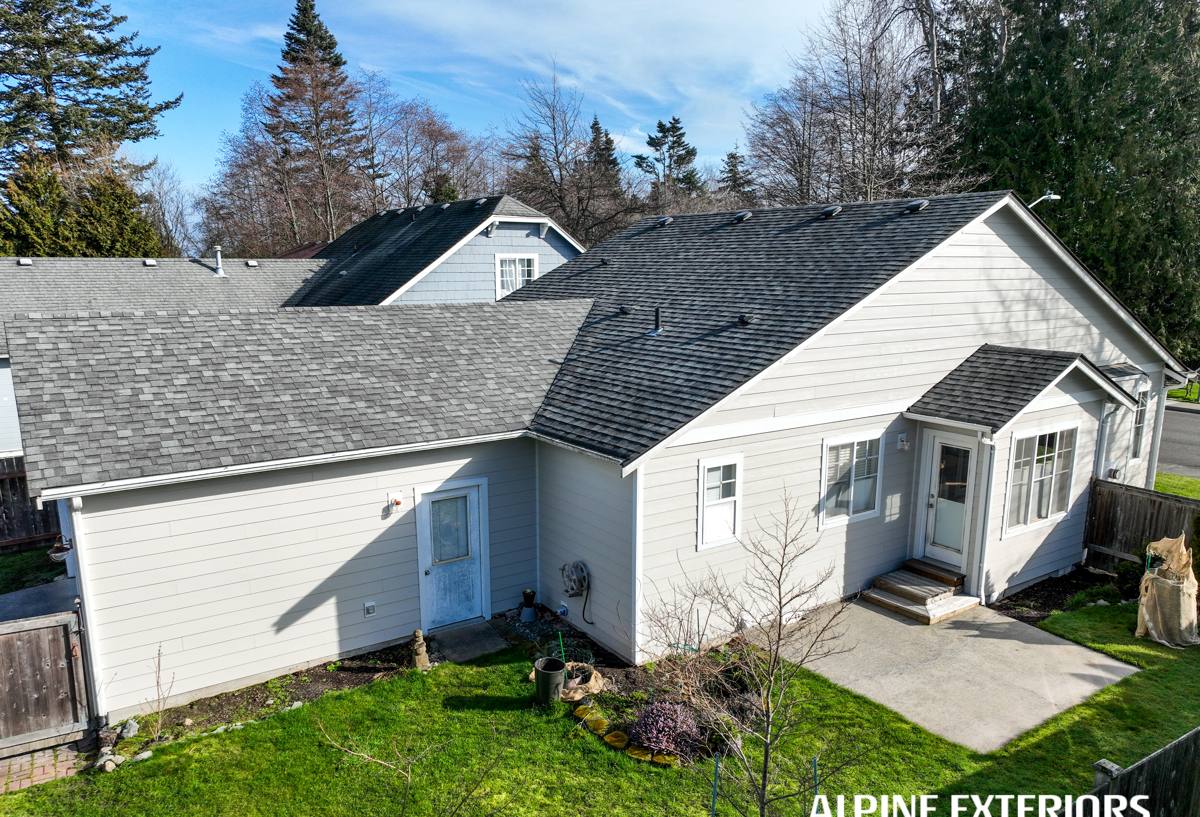
Every siding job in Sarasota County deals with heat and humidity. But Fruitville's mix of established mid-century homes, newer infill construction, and properties bordering wooded or canal-adjacent lots means we see a wider range of underlying wall conditions than in a single tract-built subdivision. That affects how we approach a siding replacement here:
- Older homes often have original sheathing or furring strips that need evaluation before new siding goes on — covering up rot or inadequate nailing surfaces just hides a problem, it doesn't fix it.
- Tree-shaded lots, common on older Fruitville streets, trap moisture and organic debris against walls longer than open, sun-exposed lots. That calls for careful attention to ventilation gaps and drainage planes.
- Newer construction may already have house wrap and modern flashing details, but not always installed to a standard that holds up to wind-driven rain — we check rather than assume.
- Wind exposure varies by lot orientation and surrounding tree cover, which affects fastening patterns and the HZ product line we recommend.
None of this changes the fact that fiber cement is the right material class for the area. It changes how we prep and install it on your specific house.
Wind-Driven Rain Is the Real Test
Straight-down rain rarely causes siding failures. It's rain pushed sideways and upward by wind — the kind Sarasota County gets regularly during summer storms and any tropical system that comes through — that finds every gap in a wall assembly. Fiber cement itself doesn't absorb and swell the way wood-based siding can, but the assembly behind it (weather-resistant barrier, flashing at windows and doors, proper lap and joint treatment) is what actually keeps that water out of the wall cavity. A correct install matters as much as the material.
Why We Only Install James Hardie
We standardized on James Hardie fiber cement siding across every job we take, including here in Fruitville, and we're upfront about why. Hardie is non-combustible, which matters in a state where wildfire and electrical fire risk exist alongside hurricane risk. Its ColorPlus factory-applied finish is baked on under controlled conditions and backed by its own finish warranty, which holds up better against UV fading than field-applied paint typically does in Florida's sun. Hardie also engineers specific product lines (its HZ5 line, for example) for high-humidity, high-moisture climates like ours, rather than selling one generic board everywhere.
We don't install vinyl siding, LP SmartSide, Cemplank, Allura, or primed wood siding, and we think homeowners deserve the honest reasons rather than a sales pitch:
| Product | Where it falls short for this climate |
|---|---|
| Vinyl siding | Softens and can warp under sustained high heat and direct sun exposure; more vulnerable to cracking in high wind events; seams and panels can be forced apart by wind-driven rain |
| LP SmartSide (engineered wood) | Wood-based core is more sensitive to sustained humidity and moisture intrusion than fiber cement; edge and cut-end sealing has to be nearly perfect to avoid swelling over time |
| Cemplank / Allura (other fiber cements) | Similar base material to Hardie, but we standardized on one manufacturer's warranty, finish system, and installation specs so every crew member installs to one known standard, and rely on Hardie's specific climate-engineered product lines |
| Primed spruce or cedar | Natural wood requires the most ongoing maintenance of any option here — repainting, caulking, and moisture monitoring on a tighter cycle than this climate is forgiving of |
Fiber cement isn't the cheapest option on the market and it isn't the lightest to install, but it's the option that holds paint, resists moisture, and stands up to wind in a way that matches what Sarasota County actually throws at a house.
What a Correct Fiber Cement Job Actually Involves
A siding job can look finished from the curb and still be wrong underneath. Here's what we make sure happens on every Fruitville installation:
1. Substrate Inspection
Before any new siding goes up, we check the wall sheathing and framing underneath the existing siding for rot, insect damage, or water staining — especially around windows, doors, and any spot where past caulking or flashing has failed. This is the step that gets skipped when a job is rushed, and it's the step that determines whether the new siding lasts.
2. Weather-Resistant Barrier and Flashing
A code-compliant water-resistive barrier goes over the sheathing, with flashing integrated at every window, door, and horizontal trim transition so that any water that does get behind the siding has a path to drain back out rather than pooling against the wall.
3. Correct Product Line and Fastening
We select the Hardie product and exposure/fastening schedule based on your home's actual wind exposure, not a one-size-fits-all default. Fastener spacing and type matter more in higher-wind areas, and getting this wrong is one of the more common causes of siding failure in storm events.
4. Joint and Trim Detailing
Butt joints, corners, and trim intersections are where water intrusion most often starts. We follow Hardie's installation specifications for gapping, caulking, and flashing at these points rather than treating them as cosmetic finish work.
5. Final Inspection and Cleanup
Before we call a job done, we walk the full exterior checking fastener lines, joint treatment, and paint/caulk finish, and we clean the site of debris and packaging.
Our Process for Fruitville Siding Projects
- On-site assessment — we walk the exterior with you, check current siding and substrate condition, and note wind exposure and moisture risk areas specific to your lot.
- Written estimate — a clear scope covering product line, color, tear-off (if needed), and any substrate repair, with no vague allowances.
- Scheduling around weather — Florida's rainy season and storm windows affect siding schedules; we plan install timing to avoid leaving a home exposed mid-project.
- Tear-off and substrate repair — old siding removed, any damaged sheathing or framing addressed before moving forward.
- Barrier, flashing, and siding installation — installed to Hardie's published specifications and local wind requirements.
- Final walkthrough — we review the finished work with you before considering the job complete.
What to Check Before Hiring Any Fiber Cement Contractor
- Are they installing to the manufacturer's published fastening and flashing specifications, or just "however they always do it"?
- Do they inspect substrate condition before covering it, or just install over what's there?
- Can they explain which HZ product line fits your specific wind exposure and why?
- Do they carry proper licensing and insurance for exterior work in Sarasota County?
- Will they put the scope of work, product line, and color in writing before starting?
Why Local Experience in Fruitville Matters
A crew that regularly works Fruitville and the surrounding Sarasota area knows the practical realities that don't show up in a manufacturer's install manual: which streets have heavier tree cover that traps moisture longer, how HOA or permitting timelines in the area typically run, and what wind exposure actually looks like on a given lot versus a generic county-wide wind map. That local pattern recognition doesn't replace following the installation spec — it's what tells us where to pay extra attention on your specific house before problems start.
Maintenance After Installation
Fiber cement is low-maintenance compared to wood or vinyl, but "low-maintenance" isn't "no-maintenance" in this climate. A simple annual routine keeps a Hardie installation performing the way it's designed to:
- Rinse the exterior periodically to clear salt residue, pollen, and organic buildup, especially on shaded or tree-covered walls.
- Inspect caulking at joints, windows, and trim yearly, and re-caulk any cracked or separated seams before rainy season.
- Watch for any paint film changes at seams or fastener heads — early signs of a finish or flashing issue are far cheaper to address than a wall repair later.
- Keep vegetation trimmed back from siding to maintain airflow and reduce trapped moisture.
Get a Straight Answer for Your Fruitville Home
If your current siding is showing cracked caulk lines, peeling paint, soft spots, or visible storm damage, it's worth having someone look at what's actually happening underneath before you decide on a fix. We're happy to walk your property, give you a straightforward assessment, and put together a written estimate — no pressure, no generic quote pulled from a price sheet. Use the form below to request a free estimate for your Fruitville home.